SpaceX Surges Past Expectations with AI Business Dominance
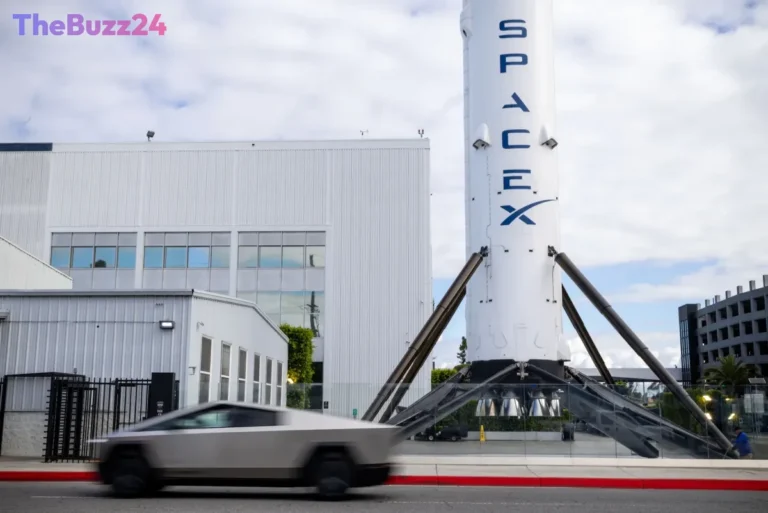
SpaceX has reported a significant surge in its third-quarter financial performance, with its artificial intelligence division now accounting for a remarkable 52% of its total income. This marks a notable shift for the company, traditionally known for its space exploration endeavors, as its AI-focused ventures, including data centers and the Grok AI agent, have proven more profitable than anticipated.
The company announced total third-quarter revenue of $14.6 billion, a figure bolstered by robust growth across all its business segments. The “Super Intelligence” division, a newly branded segment, was a primary driver, generating $7.5 billion. This revenue stream is fueled by acquisitions like the Cursor coding tool, the Grok bot, and a rapidly expanding neocloud infrastructure boasting 1.7 GW of compute power. Despite significant one-time stock-based compensation expenses of $1.2 billion related to the Cursor acquisition, the AI business achieved a profit of $431 million.
Further contributing to the company’s financial success was approximately $1 billion in income linked to the recovery of Bitcoin prices and other related-party income. This financial uplift, combined with strong performance in its AI segment, has propelled SpaceX back into profitability, reporting a net income of $4.4 billion for the quarter, a substantial turnaround from a $1 billion loss in the same period last year. While the company still faces a net loss for the first nine months of the year, the recent quarterly performance indicates a strong positive trajectory.
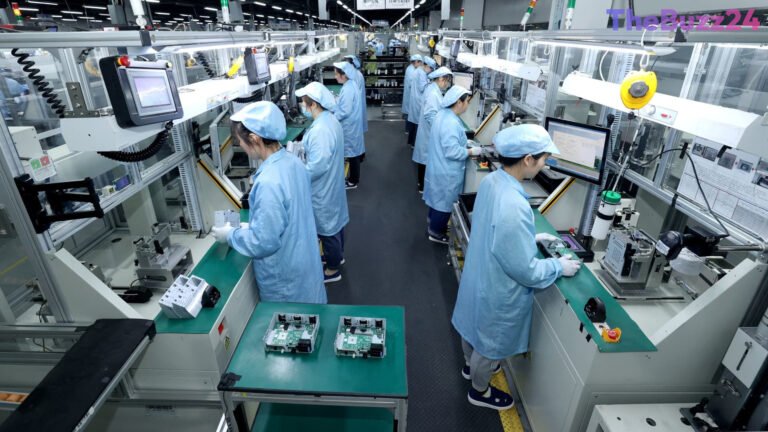
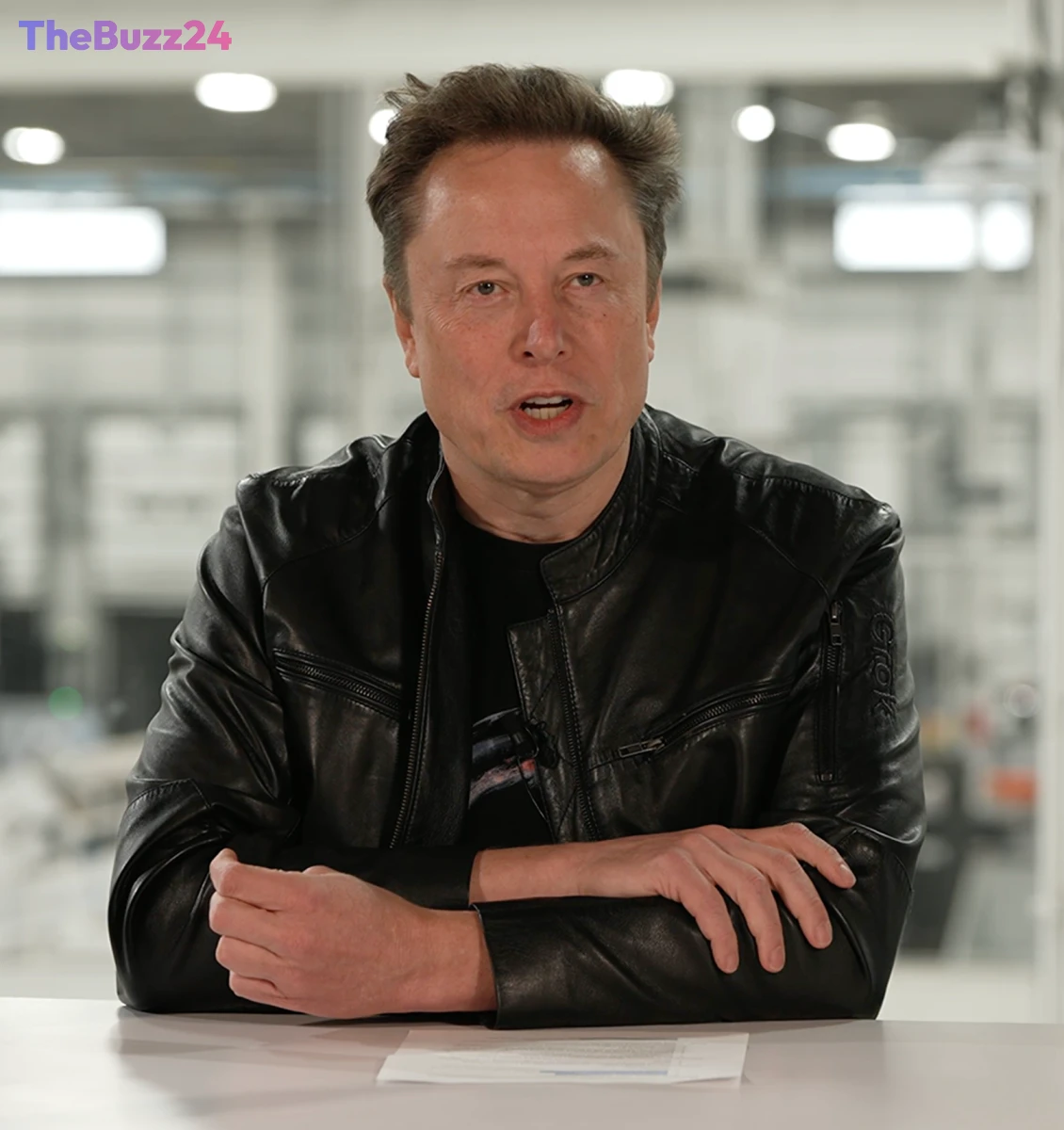
CEO Elon Musk highlighted the critical role of power, cooling, and infrastructure in the advancement of artificial intelligence, stating that SpaceX is actively addressing these constraints. The company is investing heavily in new capital projects, including the Colossus II data center and the Starship rocket program, with projected fourth-quarter capital expenditures between $35 billion and $40 billion. Musk emphasized SpaceX’s unique ability to rapidly deploy power and cooling infrastructure, leveraging its advanced manufacturing capabilities, such as metal casting developed for its aerospace projects, to overcome industry-wide supply chain delays.
Key Takeaways
- SpaceX's AI division is now its largest income contributor, making up 52% of its total revenue.
- The company returned to profitability in Q3 with a net income of $4.4 billion, driven by AI and cryptocurrency market recovery.
- SpaceX is making significant capital investments in AI infrastructure and its Starship program to support future growth.
Editor’s Analysis & Impact
SpaceX’s pivot towards AI and infrastructure is a strategic masterstroke, demonstrating the company’s adaptability beyond its space-faring origins. The substantial revenue and profit generated by its ‘Super Intelligence’ division underscore the immense market demand for AI-related compute power and infrastructure. This diversification not only bolsters SpaceX’s financial standing but also positions it as a key player in the burgeoning AI ecosystem. The company’s aggressive capital expenditure, particularly in data centers and Starship, signals a long-term commitment to dominating this new frontier. The market should watch closely how SpaceX leverages its unique engineering prowess to scale these operations and potentially redefine industry standards for AI infrastructure deployment.
Frequently Asked Questions
Q: What is SpaceX's 'Super Intelligence' business line?
A: SpaceX's 'Super Intelligence' business line encompasses its artificial intelligence-related ventures, including its data center operations, the Grok AI agent, and acquired tools like the Cursor coding assistant. It represents the company's strategic focus on AI infrastructure and services.
Q: How is SpaceX addressing power and cooling challenges for AI?
A: CEO Elon Musk has stated that SpaceX is leveraging its advanced engineering and manufacturing capabilities, developed for its aerospace projects, to overcome limitations in power and cooling infrastructure for AI data centers. This includes using its metal casting expertise to expedite the production of critical components for turbines.
Q: What is SpaceX's financial outlook for its AI business?
A: SpaceX has a highly optimistic outlook for its AI business, with CEO Elon Musk predicting annual recurring revenue to be between $500 billion and $1 trillion by the end of 2027. The company's CFO forecasts total revenue for Q1 2027 to be in the range of $33 billion to $37 billion.
AI Disclosure: This article is based on verified data and official reports. Our Team and AI have cross-referenced every financial detail with primary sources to ensure total accuracy.
More from this Category