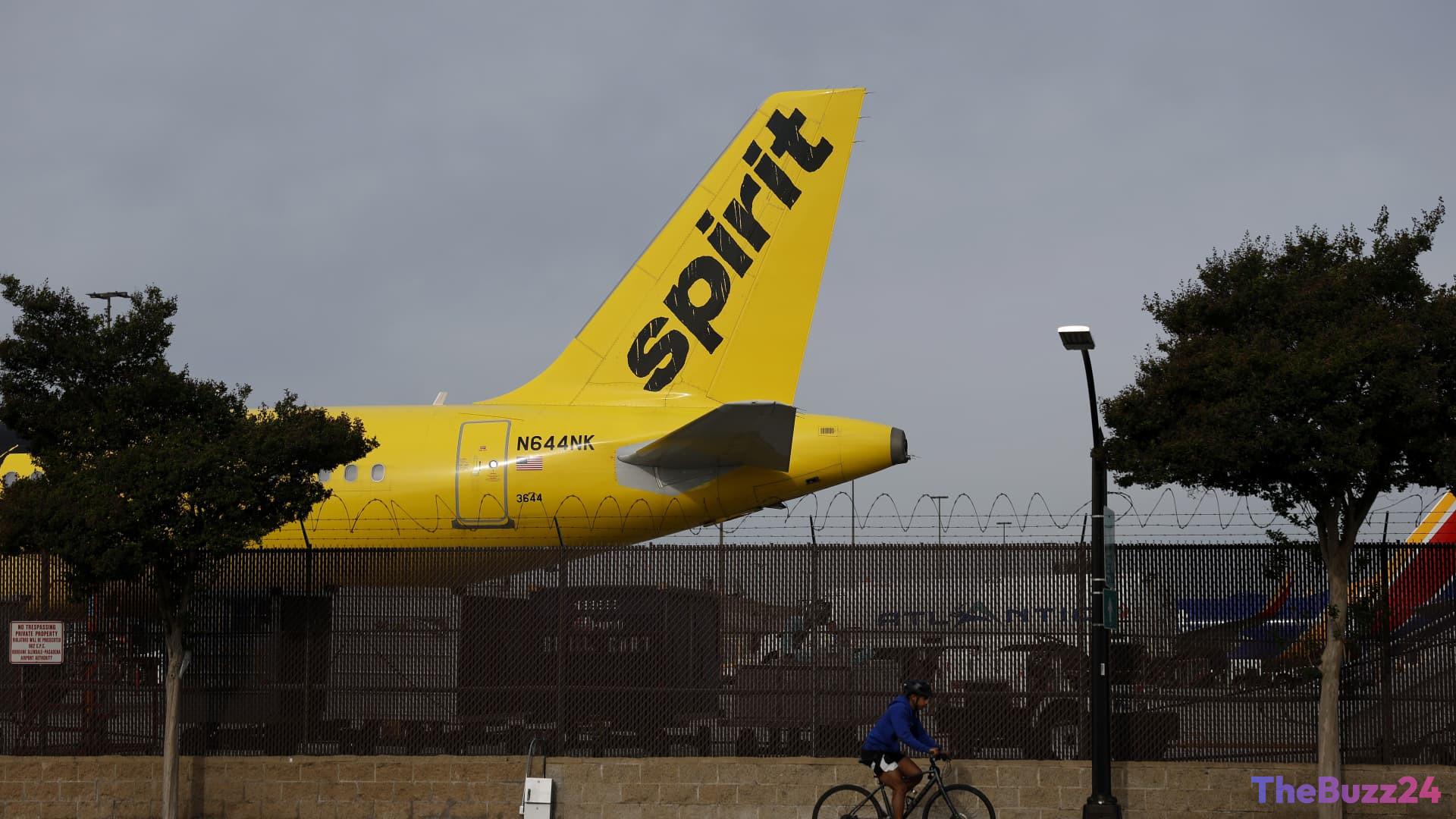
Spirit Airlines Ceases Operations: A Final Descent for the Budget Carrier
Spirit Airlines has officially ceased operations, marking a definitive end for the once-dominant U.S. discount carrier. The airline, which had been navigating its second bankruptcy in less than a year, ultimately failed to secure the necessary financial lifeline to sustain its business model. CEO Dave Davis confirmed the closure, stating that the company simply ran out of time and resources to navigate a volatile economic landscape.
The collapse follows years of mounting pressure, including failed merger attempts, rising operational costs, and a significant surge in jet fuel prices exacerbated by geopolitical instability in the Middle East. Despite efforts to restructure and secure a $500 million loan from the government—a deal that would have potentially granted the U.S. a 90% stake in the carrier—negotiations with bondholders stalled. With no consensus on deal terms, the airline was forced to wind down its operations over the weekend.
Approximately 17,000 employees, both direct and indirect, have been impacted by the shutdown. As the airline prepares to liquidate its assets, including returning leased aircraft and selling owned equipment, other major carriers have already begun adjusting their schedules to absorb the capacity left behind. CEO Dave Davis, who remains on-site with a skeleton crew of 130 staff members to oversee the closure, noted that the decision to shut down abruptly was necessary to ensure an orderly process and prevent logistical chaos for passengers and vendors.
Key Takeaways
- Spirit Airlines has officially shut down after failing to secure a bailout deal with bondholders and the government.
- The collapse impacts approximately 17,000 workers and leaves a significant void in the U.S. low-cost airline market.
- Rising jet fuel costs and the inability to adapt to legacy carriers adopting budget-friendly models contributed to the airline's long-term decline.
Editor’s Analysis & Impact
The collapse of Spirit Airlines serves as a stark reminder of the fragility of the ultra-low-cost carrier (ULCC) business model in the current economic climate. By failing to diversify revenue streams—specifically lacking the lucrative credit card loyalty programs that provide legacy carriers with a massive cash buffer—Spirit was uniquely vulnerable to fuel price shocks and operational inefficiencies. The broader implication for the aviation industry is a continued trend toward consolidation. As legacy carriers increasingly adopt ‘basic economy’ pricing to compete, the market space for independent budget airlines is shrinking. Future outlooks suggest that the U.S. airline industry will likely remain dominated by a few major players, with smaller carriers facing immense pressure to either merge or risk insolvency as they struggle to compete with the scale and financial resilience of industry giants.
Frequently Asked Questions
Q: What happens to passengers who had tickets booked with Spirit Airlines?
A: Following the shutdown, other major airlines have begun scrambling to accommodate stranded passengers and fill the gaps in flight schedules left by Spirit's exit.
Q: Why couldn't Spirit Airlines secure a government bailout?
A: While the government and the airline were in discussions regarding a $500 million loan, the terms of the deal—which would have given the government a 90% stake—were not accepted by the company's bondholders, leading to a breakdown in negotiations.
AI Disclosure: This article is based on verified data and official reports. Our Team and AI have cross-referenced every financial detail with primary sources to ensure total accuracy.
More from this Category