Spotify Expands Into Fitness With New Integrated Wellness Hub
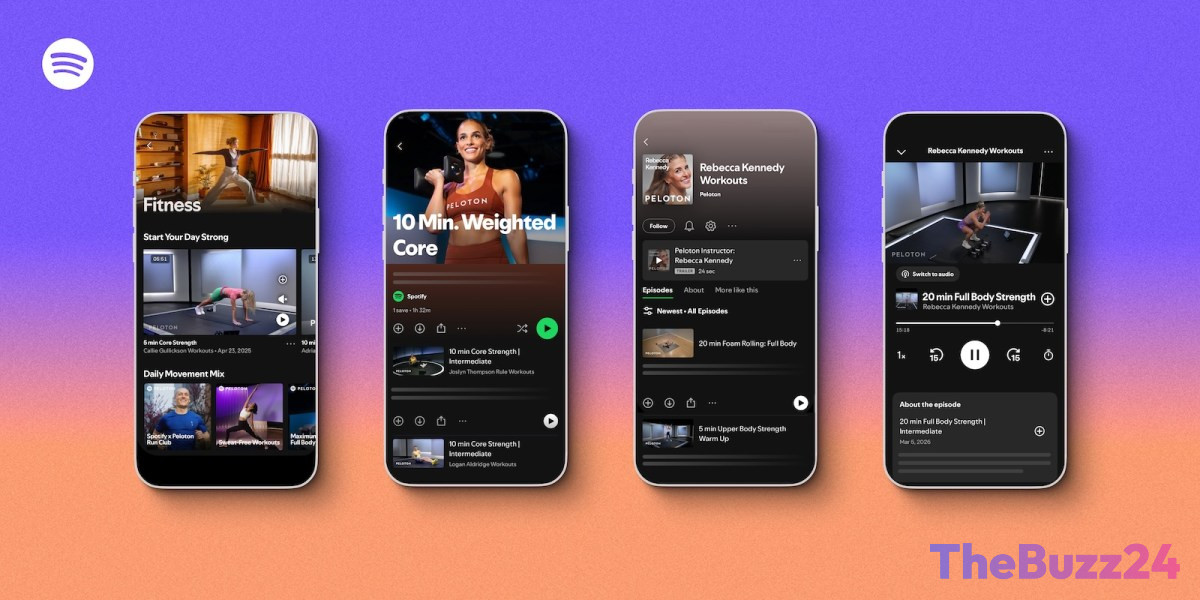
Spotify is significantly broadening its digital ecosystem by launching a dedicated fitness hub, marking a strategic shift from a music and podcast streaming service to a comprehensive wellness platform. By embedding instructional workout content directly into its interface, the company is positioning itself as a primary destination for physical activity, allowing users to access both audio and video-based exercise routines across mobile, desktop, and television applications.
To bolster this new offering, the platform has secured partnerships with high-profile wellness creators and fitness industry leader Peloton. The initiative features a wide array of guided sessions from renowned instructors like Chloe Ting and Yoga With Kassandra. Additionally, Premium subscribers in specific regions will gain access to a library of over 1,400 on-demand, ad-free classes led by Peloton instructors. These sessions span various disciplines, including strength training, cardio, yoga, and meditation, and are specifically designed to be performed without the requirement of proprietary exercise hardware.
This move is backed by internal data revealing that nearly 70% of Premium subscribers engage in fitness-related activities on a monthly basis, a trend previously supported by more than 150 million user-generated workout playlists. To ensure the user experience remains streamlined, the company has introduced new interface controls, such as the option to disable video playback, preventing potential app clutter. The new fitness content is currently available in English, Spanish, and German, with full support for offline downloads to accommodate users on the move.
Key Takeaways
- Spotify is launching a dedicated fitness hub featuring video and audio workouts from Peloton and popular wellness influencers.
- The expansion is driven by data showing that 70% of Premium subscribers already use the platform for fitness-related activities.
- New features include offline download capabilities and user-controlled settings to manage video playback and interface clutter.
Editor’s Analysis & Impact
Spotify’s pivot into the fitness sector represents a calculated effort to increase user retention and deepen platform engagement. By integrating Peloton’s high-quality content, Spotify is effectively transforming from a passive media consumption tool into an active lifestyle utility. This strategy directly challenges dedicated fitness apps by leveraging its massive existing user base, thereby reducing the friction for subscribers who already use the platform for workout music. If successful, this move could provide a significant competitive moat, making it harder for users to churn. Looking ahead, the company is well-positioned to experiment with tiered monetization models, such as premium-only fitness tiers or pay-per-class options, which could unlock new revenue streams beyond traditional advertising and standard subscription fees. The long-term success of this initiative will depend on whether users view Spotify as a legitimate fitness authority or merely a secondary audio companion.
Frequently Asked Questions
Q: Do I need Peloton equipment to access the new fitness classes?
A: No, the classes integrated into the Spotify fitness hub are designed to be accessible without the need for any specialized hardware.
Q: Can I use the new fitness features without an internet connection?
A: Yes, the fitness content supports offline downloads, allowing users to access their workouts while on the go.
AI Disclosure: This article is based on verified data and official reports. Our Team and AI have cross-referenced every financial detail with primary sources to ensure total accuracy.
More from this Category