Benin Faces Security Crossroads as Presidential Election Approaches
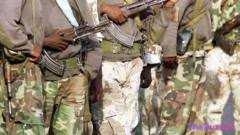
As Benin prepares for a pivotal presidential election, the nation is confronting an escalating security crisis that threatens its long-standing reputation as a stable democracy in West Africa. The northern regions of the country have become increasingly vulnerable to incursions by militant groups linked to al-Qaeda and the Islamic State. These extremist organizations have targeted military outposts and protected areas, including the W National Park, leading to a sharp rise in casualties and a growing sense of instability among the local population.
This surge in violence comes at a delicate time for the country, which has remained under civilian rule while several of its neighbors—including Mali, Burkina Faso, and Niger—have experienced military coups driven by similar security failures. The human toll of the conflict is becoming increasingly apparent, with reports indicating that fatalities in border areas have more than doubled within the last year. This climate of insecurity has severely disrupted local economies, particularly in the agricultural and educational sectors, as residents in the north live under the constant threat of militant activity.
In response to these challenges, the upcoming presidential election has become a referendum on national security. Candidates are presenting divergent strategies to address the crisis, ranging from bolstering domestic defense and territorial integrity to pursuing deeper regional diplomatic cooperation. Regardless of who secures the presidency, the incoming administration will inherit the urgent responsibility of stabilizing the northern borders and navigating a complex geopolitical landscape to prevent the further spread of regional extremism.
Key Takeaways
- Benin is facing a significant rise in Islamist militant activity along its northern borders, threatening its regional stability.
- The security crisis has caused a doubling of fatalities in border regions over the past year, severely impacting local livelihoods and infrastructure.
- The upcoming presidential election is heavily focused on national security, with candidates proposing different approaches to counter the extremist threat.
Editor’s Analysis & Impact
The security situation in Benin serves as a microcosm of the broader instability currently plaguing the Sahel and coastal West Africa. As militant groups push southward from the Sahel, Benin’s ability to maintain democratic governance while managing a kinetic conflict will be a critical test for the region. The market and social implications are profound; persistent insecurity threatens to derail agricultural output and deter foreign investment, which are essential for the nation’s economic growth. Furthermore, the outcome of this election will dictate whether Benin continues to prioritize a military-heavy response or shifts toward a more integrated regional diplomatic strategy. The future outlook remains volatile, as the next administration must balance the immediate need for border security with the long-term necessity of addressing the socio-economic grievances that extremist groups often exploit to gain a foothold in vulnerable communities.
Frequently Asked Questions
Q: Why is the upcoming election in Benin considered critical?
A: The election is considered critical because the country is facing an existential threat from extremist groups, and the next administration will be responsible for determining the nation's security and diplomatic strategy to prevent further destabilization.
Q: How does Benin's current political situation compare to its neighbors?
A: Unlike several neighboring countries such as Mali, Burkina Faso, and Niger, which have recently undergone military coups due to security failures, Benin has managed to maintain a civilian-led government despite the rising threat of violence.
AI Disclosure: This article is based on verified data and official reports. Our Team and AI have cross-referenced every financial detail with primary sources to ensure total accuracy.
More from this Category