Stellantis Unleashes $70 Billion ‘FaSTLAne 2030’ to Reshape Global Auto Operations
Stellantis has officially launched ‘FaSTLAne 2030,’ a comprehensive five-year strategic plan aimed at transforming its global operations and securing its financial future. Under the leadership of CEO Antonio Filosa, the automotive conglomerate is allocating approximately $69.7 billion towards a significant overhaul of its product portfolio and manufacturing processes. This ambitious initiative is designed to generate positive free cash flow by 2027 and achieve substantial annual cost savings of 6 billion euros by 2028.
The investment will heavily focus on the company’s extensive brand lineup, with 36 billion euros dedicated to development. A significant portion, 60%, of this investment will be directed towards the North American market. The roadmap includes the introduction of over 60 new vehicle models and substantial updates to 50 existing ones, spanning battery-electric, hybrid, and traditional internal combustion engine technologies. A pivotal technological advancement will be the ‘STLA One’ vehicle platform, slated for release in 2027. This new platform is engineered to consolidate five current architectures into a single, scalable system, thereby simplifying production and reducing overall complexity.
In a move to enhance operational efficiency, Stellantis is targeting an 80% plant utilization rate across both the U.S. and Europe by 2030. The company has also confirmed its commitment to retaining all 14 of its distinct automotive brands. However, to streamline operations, the functions of the DS and Lancia units will be integrated into Citroen and Fiat, respectively. By fostering new global partnerships and adopting a ‘freedom of choice’ product strategy, Stellantis projects its annual revenue to climb to 190 billion euros by the end of the decade.
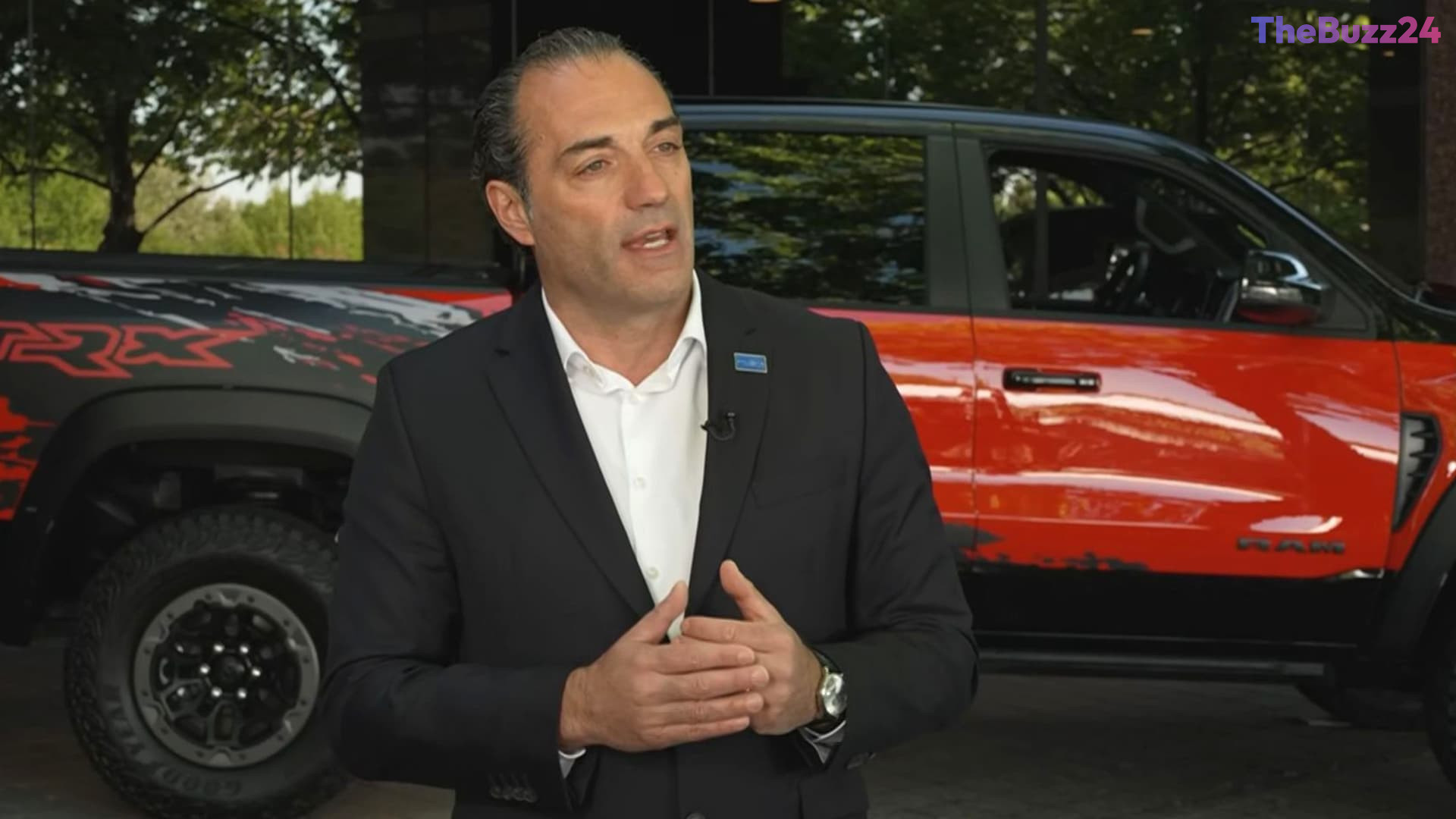
During a recent showcase at its North American headquarters, company executives presented a range of upcoming crossover and performance vehicles designed to capture a larger share of the market. Through enhanced management, optimized manufacturing, and a drive for technological innovation, Stellantis aims to strengthen its competitive standing in the dynamic global automotive industry.
Key Takeaways
- Stellantis is investing nearly $70 billion in its 'FaSTLAne 2030' strategy to modernize global operations and brands over five years.
- The company will introduce the 'STLA One' platform in 2027, consolidating five existing architectures to boost efficiency and cut costs.
- All 14 Stellantis brands will be retained, with some operational integration, as the company aims for 80% plant utilization and significant revenue growth.
Editor’s Analysis & Impact
The ‘FaSTLAne 2030’ strategy marks a crucial turning point for Stellantis as it navigates the complex transition to electrification while sustaining profitability from its existing combustion engine vehicles. The consolidation of vehicle architectures under the ‘STLA One’ platform directly addresses long-standing concerns about manufacturing inefficiencies and high operational costs. Retaining all 14 brands, while integrating smaller units, suggests a strategic balance between broad market coverage and operational streamlining. This approach could serve as a model for established automakers grappling with the substantial capital demands of EV development and the immediate need for robust cash flow. The ultimate success of this ambitious plan will depend heavily on effective execution, particularly in the competitive and evolving North American market.
Frequently Asked Questions
Q: What is the main objective of Stellantis' 'FaSTLAne 2030' plan?
A: The primary goal is to revitalize global operations, achieve positive free cash flow by 2027, and realize 6 billion euros in annual cost savings by 2028 through significant investment and operational restructuring.
Q: Will Stellantis discontinue any of its 14 car brands?
A: No, Stellantis has confirmed it will maintain all 14 of its automotive brands. However, the operations of DS and Lancia will be integrated into Citroen and Fiat, respectively, to improve efficiency.
Q: What is the 'STLA One' platform and when will it be introduced?
A: The 'STLA One' platform is a new, scalable vehicle architecture designed to consolidate five existing platforms into one. It is scheduled to be introduced in 2027 to streamline production and reduce complexity.
AI Disclosure: This article is based on verified data and official reports. Our Team and AI have cross-referenced every financial detail with primary sources to ensure total accuracy.
More from this Category