Markets Balance Geopolitical Risks Against Robust Corporate Earnings
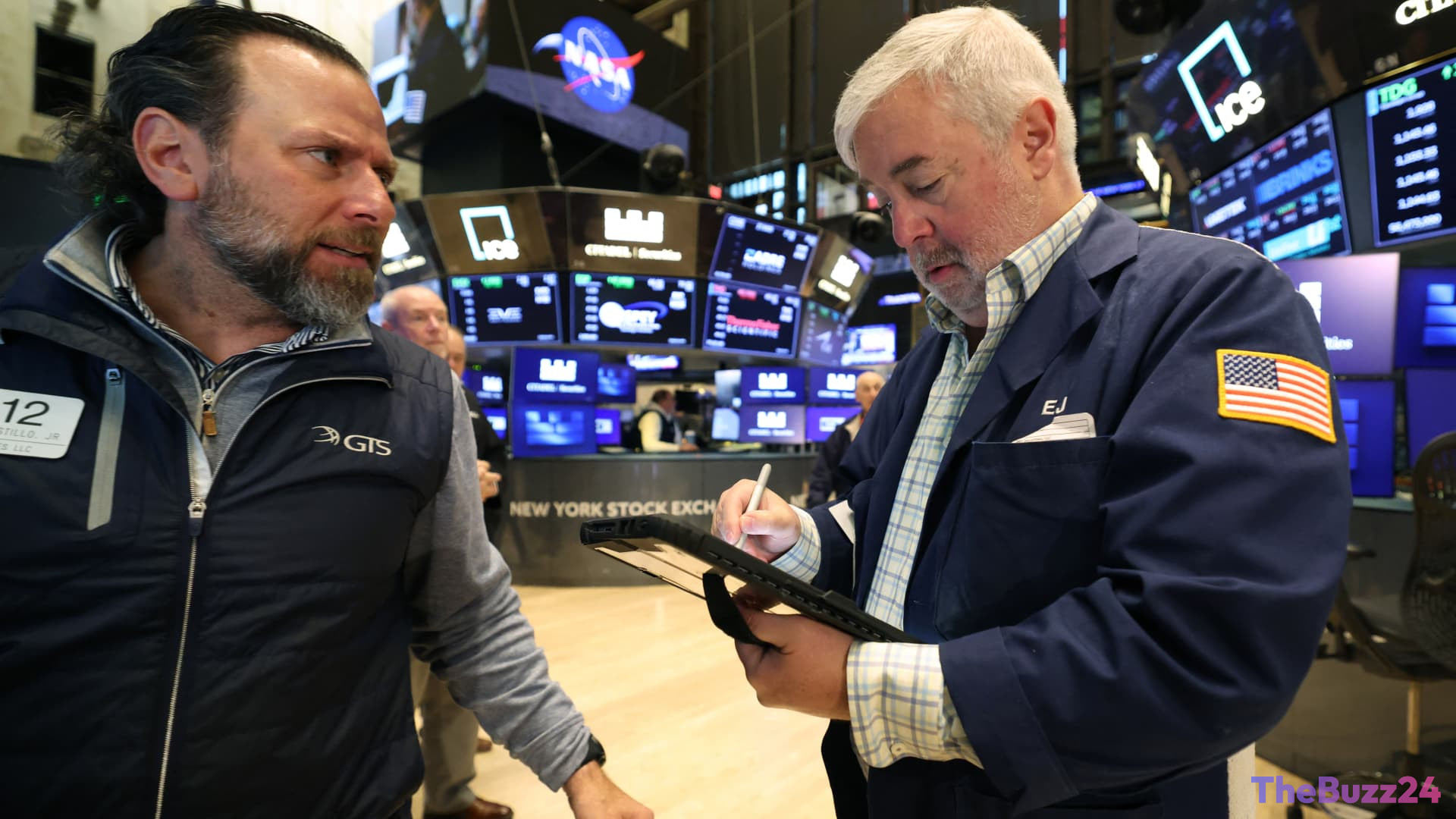
U.S. stock futures opened the week with modest gains, as investors weigh the potential for regional instability in the Middle East against a backdrop of strong corporate performance. Contracts linked to the S&P 500 and Nasdaq 100 continued their upward trajectory, building on momentum from a record-setting Friday session. While the Dow Jones Industrial Average has shown some relative weakness, the broader market continues to be supported by positive economic sentiment and investor confidence.
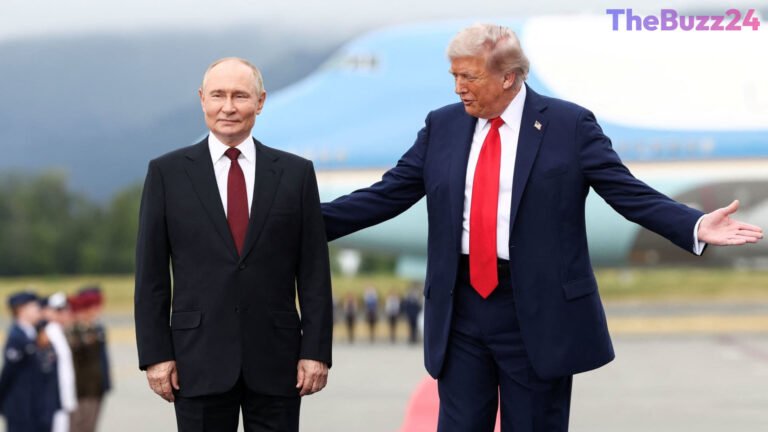
Geopolitical attention is currently centered on the Strait of Hormuz, where a new initiative dubbed ‘Project Freedom’ has been proposed to assist cargo vessels from non-involved nations in navigating the region safely. This development occurs alongside ongoing diplomatic discussions between the U.S. and Iran regarding potential peace proposals. While these diplomatic efforts have offered a degree of relief, the situation remains highly fluid, keeping market participants cautious regarding potential disruptions to global supply chains.
Despite these external pressures, the domestic market is finding significant support in a strong first-quarter earnings season. Financial analysts remain optimistic, pointing to a resilient global earnings cycle and the continued dominance of artificial intelligence as primary catalysts for equity growth. Capital continues to flow heavily into major technology firms and semiconductor manufacturers, which remain the focal point for many institutional investors.
Looking ahead, the market is preparing for a busy week of economic data and corporate disclosures. With more than 120 companies in the S&P 500 scheduled to report, including major players such as Walt Disney Co., Uber Technologies, and Coinbase, investors are searching for signs of sustained growth. Additionally, the upcoming April jobs report will serve as a critical indicator for the Federal Reserve’s future policy outlook, with analysts closely monitoring employment figures to gauge the overall health of the labor market.
Key Takeaways
- U.S. stock futures are rising, bolstered by record-high performances in the S&P 500 and Nasdaq indices.
- Geopolitical instability in the Strait of Hormuz remains a key risk factor for global supply chains and investor sentiment.
- A heavy schedule of corporate earnings and the upcoming April jobs report are expected to be the primary drivers of market volatility this week.
Editor’s Analysis & Impact
The current market landscape is characterized by a persistent tug-of-war between macroeconomic optimism and geopolitical uncertainty. The continued strength of the technology sector suggests that investors are prioritizing AI-driven productivity and growth over short-term international volatility. However, this reliance on a robust earnings season creates a high-stakes environment; any significant earnings misses from major firms like Disney or Uber could trigger a sharp market correction. The upcoming jobs report will serve as the ultimate litmus test for the ‘soft landing’ narrative. If employment data remains steady, it will likely reinforce the current bullish trend. Conversely, any signs of a cooling labor market could reignite fears of an economic slowdown, forcing a re-evaluation of current equity valuations in an already expensive market.
Frequently Asked Questions
Q: What is the 'Project Freedom' initiative?
A: Project Freedom is a proposed operation designed to facilitate the safe passage of cargo ships from non-involved nations through the Strait of Hormuz, which has experienced disruptions due to regional tensions.
Q: Why is the upcoming April jobs report significant for investors?
A: The jobs report is a vital economic indicator that helps investors and the Federal Reserve assess the health of the U.S. labor market, which in turn informs future monetary policy decisions.
AI Disclosure: This article is based on verified data and official reports. Our Team and AI have cross-referenced every financial detail with primary sources to ensure total accuracy.
More from this Category