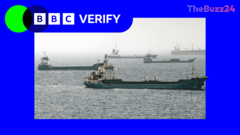
Strait of Hormuz Shipping Traffic Plummets Amid Renewed US-Iran Tensions
Maritime traffic through the critical Strait of Hormuz has experienced a sharp decline following a series of retaliatory strikes between the United States and Iran. Recent data indicates that daily vessel transits have dropped significantly, with only 23 tankers and cargo ships navigating the waterway on Wednesday, a stark decrease from the 47 recorded just one week prior. This volatility follows attacks on three commercial vessels, including a Qatar-owned LNG tanker and two crude oil tankers, all of which were utilizing a US-recommended route through Omani waters.
The current instability highlights the fragile nature of the maritime corridor, which serves as a vital artery for over 20% of the world’s oil and gas supplies. Before the recent escalation, the region had seen a brief period of recovery following a June 17 memorandum of understanding intended to de-escalate tensions and reopen the strait. However, the agreement has effectively collapsed, with both nations accusing the other of violating terms regarding shipping lanes, sanctions, and regional military conduct.
Iran continues to assert that it maintains authority over the waterway, insisting that commercial vessels adhere to routes designated by its military command. Conversely, the United States and its international allies maintain that the strait must remain an open, free-passage zone as it was prior to the conflict. The ongoing cycle of threats, mine-laying concerns, and military strikes has created a high-risk environment that continues to deter global shipping companies from utilizing the route, despite previous diplomatic efforts to normalize trade flows.
As the situation remains fluid, the future of the Strait of Hormuz appears increasingly uncertain. With the collapse of the recent peace deal and the revocation of specific economic incentives, the international community faces a renewed challenge in securing one of the world’s most important energy chokepoints. Experts suggest that without a more robust and enforceable framework for maritime security, the region will likely remain trapped in a cycle of intermittent conflict and shipping disruptions.
Key Takeaways
- Daily shipping traffic through the Strait of Hormuz has fallen by more than 50% in one week due to renewed military tensions.
- The collapse of a June 17 peace deal between the US and Iran has led to a breakdown in agreed-upon maritime safety protocols.
- Commercial vessels are avoiding the region following attacks on three tankers, creating significant uncertainty for global energy supply chains.
Editor’s Analysis & Impact
The ongoing volatility in the Strait of Hormuz represents a significant systemic risk to global energy markets. Because this waterway is a primary chokepoint for crude oil and LNG, any sustained disruption forces shipping companies to either absorb massive insurance premiums or seek longer, costlier alternative routes. The failure of the recent memorandum of understanding demonstrates that economic incentives alone are insufficient to curb geopolitical posturing when core strategic interests—such as territorial control of maritime lanes—are at stake. Looking ahead, the market should anticipate continued ‘risk-off’ behavior from shipping operators, leading to higher freight rates and potential inflationary pressure on energy commodities. The inability of both the US and Iran to establish a durable, neutral framework for passage suggests that the region will remain a flashpoint for the foreseeable future, necessitating a shift in how global logistics firms manage transit risk in the Middle East.
Frequently Asked Questions
Q: Why is the Strait of Hormuz considered so important to the global economy?
A: The Strait of Hormuz is a critical maritime chokepoint through which more than one-fifth of the world's total oil and gas supplies pass, making it essential for global energy security.
Q: What is the primary point of contention between the US and Iran regarding the strait?
A: The conflict centers on control; Iran insists that ships must use routes designated by its military, while the US and its allies argue that the strait must remain an open, free-passage zone for international commercial traffic.
AI Disclosure: This article is based on verified data and official reports. Our Team and AI have cross-referenced every financial detail with primary sources to ensure total accuracy.
More from this Category