Stripe Launches AI-Integrated Wallet to Facilitate Autonomous Commerce
Stripe has officially introduced an advanced version of its Link digital wallet, specifically engineered to serve as a financial bridge for autonomous AI agents. As artificial intelligence assistants evolve to handle complex consumer tasks—such as travel arrangements, subscription management, and automated purchasing—the need for a secure, agent-compatible payment infrastructure has become critical. This new platform allows AI agents to execute transactions on behalf of users while maintaining rigorous security standards.
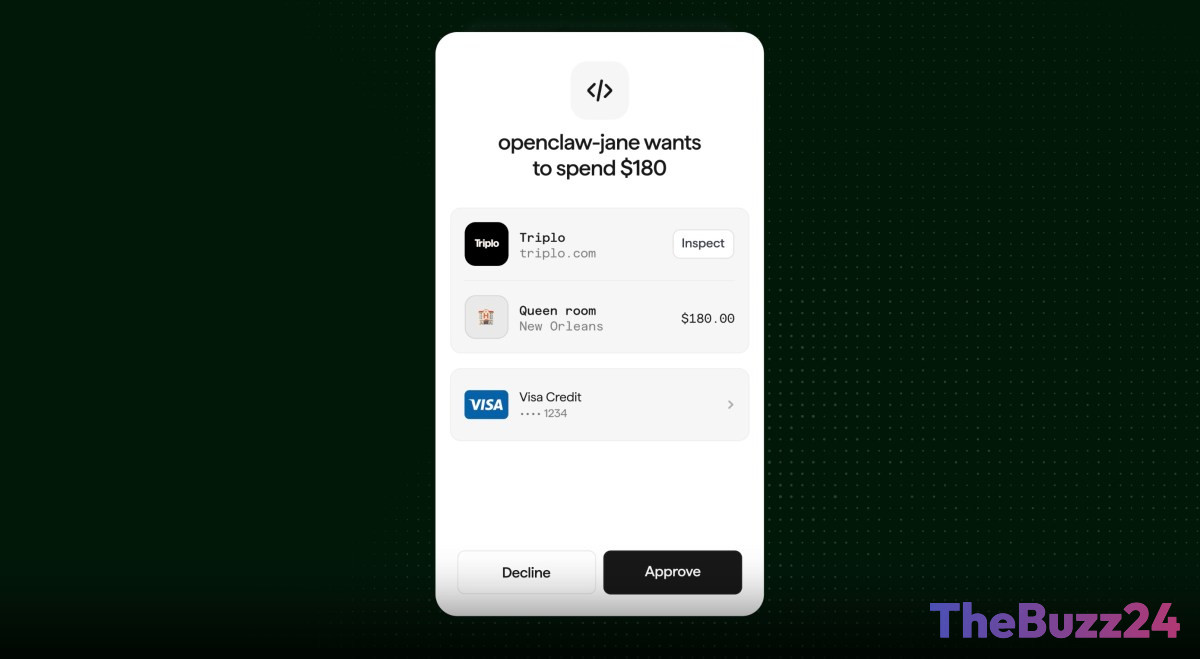
The platform is accessible across web, iOS, and Android, acting as a centralized hub for various payment methods, including traditional bank accounts, credit cards, and emerging digital assets. A standout feature is the integration of an OAuth-based authentication flow, which empowers users to grant AI agents permission to initiate transactions while maintaining final oversight through real-time notifications. This ensures that users remain in control of their financial activity even as their digital assistants perform tasks independently.
At the core of this technology is Stripe’s ‘Issuing for agents’ architecture, which utilizes Shared Payment Tokens (SPT) and virtual cards. By replacing raw payment credentials with one-time-use tokens, the system prevents sensitive data exposure during AI-driven interactions. Users can establish granular spending limits and monitor agent activity directly through the wallet. Looking ahead, the company plans to expand these capabilities to include support for stablecoins and specialized agentic tokens, further cementing the wallet’s role as a foundational tool for the future of autonomous commerce.
Key Takeaways
- Stripe's updated Link wallet introduces a secure infrastructure specifically designed for autonomous AI agents to perform transactions.
- The system uses virtual cards and Shared Payment Tokens (SPT) to ensure sensitive user payment data is never exposed to AI assistants.
- Users retain control over their finances through real-time notifications and the ability to set granular spending limits for their AI agents.
Editor’s Analysis & Impact
The launch of this AI-ready wallet marks a significant shift in the fintech landscape, signaling that the industry is moving beyond human-centric interfaces toward machine-to-machine commerce. By providing a standardized, secure framework for AI agents, Stripe is effectively lowering the barrier to entry for developers building autonomous assistants. This move not only addresses the immediate security concerns regarding AI-led spending but also positions the company as a critical gatekeeper in the emerging ‘agentic economy.’ As AI agents become more prevalent in daily life, the ability to safely delegate financial authority will likely become a standard expectation for consumers. The future integration of stablecoins suggests that Stripe is preparing for a decentralized financial ecosystem where agents operate across borders and platforms with minimal friction.
Frequently Asked Questions
Q: How does the wallet keep payment information secure?
A: The wallet uses 'Issuing for agents' technology, which generates virtual cards and Shared Payment Tokens (SPT) instead of sharing raw payment credentials with the AI agent.
Q: Can I control how much an AI agent spends?
A: Yes, the platform allows users to set granular spending limits and requires real-time approval notifications for transactions initiated by AI agents.
AI Disclosure: This article is based on verified data and official reports. Our Team and AI have cross-referenced every financial detail with primary sources to ensure total accuracy.
More from this Category