6.0 Magnitude Earthquake Strikes Hawaii’s Big Island; Volcanic Activity Under Review
A powerful 6.0 magnitude earthquake shook Hawaii’s Big Island late Friday, sending tremors across the region that were felt as far away as Maui and Oahu. The seismic event, which originated at a depth of 23 kilometers near Honaunau-Napoopoo, prompted immediate concern regarding the stability of the island’s volcanic landscape. Fortunately, the Pacific Tsunami Warning Center quickly issued a statement confirming that no tsunami threat exists, and local emergency services have reported no immediate injuries or major structural failures.
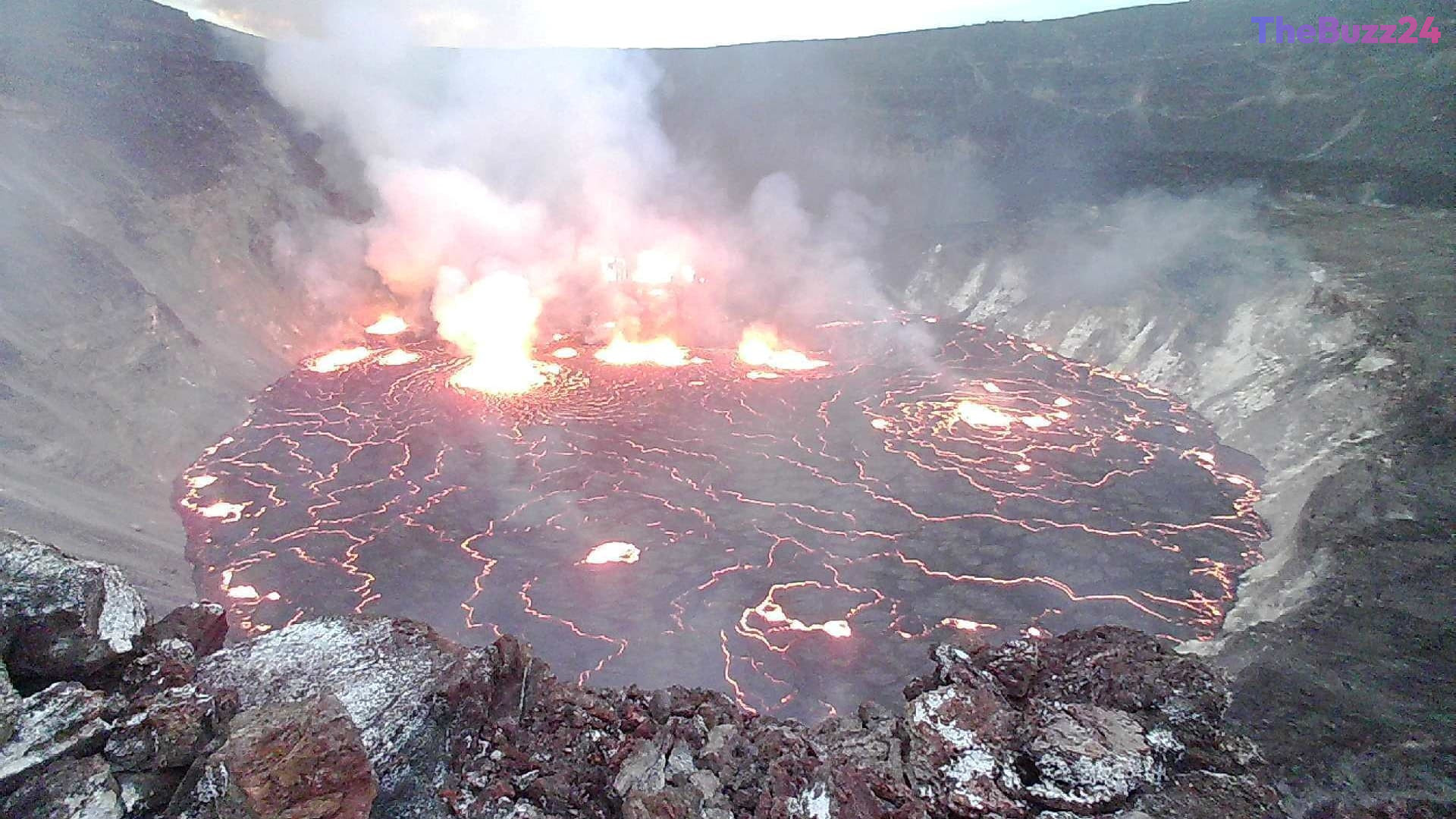
The timing of the earthquake has drawn significant attention to the Kilauea volcano, which has been in a state of episodic eruption since late 2024. Scientists at the Hawaiian Volcano Observatory had previously projected a new eruptive phase for the volcano between May 24 and May 27. Given the proximity of the earthquake to this active site, geological teams are now working to determine if the seismic activity will accelerate or alter the expected volcanic behavior.
Authorities are maintaining a cautious stance as they continue to survey the area for secondary hazards. While the immediate danger from the earthquake has subsided, residents are encouraged to stay informed through official updates. Experts remain on-site to monitor the volcano’s stability, ensuring that any shifts in seismic data are communicated to the public promptly to maintain safety across the island chain.
Key Takeaways
- A 6.0 magnitude earthquake struck near Honaunau-Napoopoo on Hawaii’s Big Island with no tsunami threat reported.
- The tremor was felt across multiple islands, including Maui and Oahu, but resulted in no major damage or casualties.
- Geologists are currently assessing the impact of the quake on the Kilauea volcano, which was already expected to enter an eruptive phase.
Editor’s Analysis & Impact
The recent seismic activity on Hawaii’s Big Island highlights the complex geological interplay between tectonic shifts and volcanic systems. While the earthquake itself did not cause widespread destruction, its occurrence during a predicted eruptive window for Kilauea creates a high-stakes environment for local authorities and residents. From an industry perspective, this event underscores the critical importance of real-time monitoring infrastructure in volcanic regions. The ability to distinguish between tectonic tremors and magmatic movement is vital for public safety and disaster preparedness. Moving forward, the integration of advanced satellite imagery and ground-based sensors will be essential to provide earlier warnings. The broader implication is a reminder of the inherent volatility of the Hawaiian archipelago, necessitating ongoing investment in geological research and robust emergency response protocols to mitigate risks associated with dual-threat seismic and volcanic events.
Frequently Asked Questions
Q: Was there a tsunami warning issued after the earthquake?
A: No, the Pacific Tsunami Warning Center confirmed that there was no threat of a tsunami following the 6.0 magnitude earthquake.
Q: Is the earthquake expected to affect the Kilauea volcano?
A: Geological teams are currently assessing the situation to determine if the earthquake has impacted the volcano's stability, especially given that Kilauea was already expected to enter an eruptive phase.
AI Disclosure: This article is based on verified data and official reports. Our Team and AI have cross-referenced every financial detail with primary sources to ensure total accuracy.
More from this Category