Supreme Court Intervenes Again to Block Missouri Congressional Map
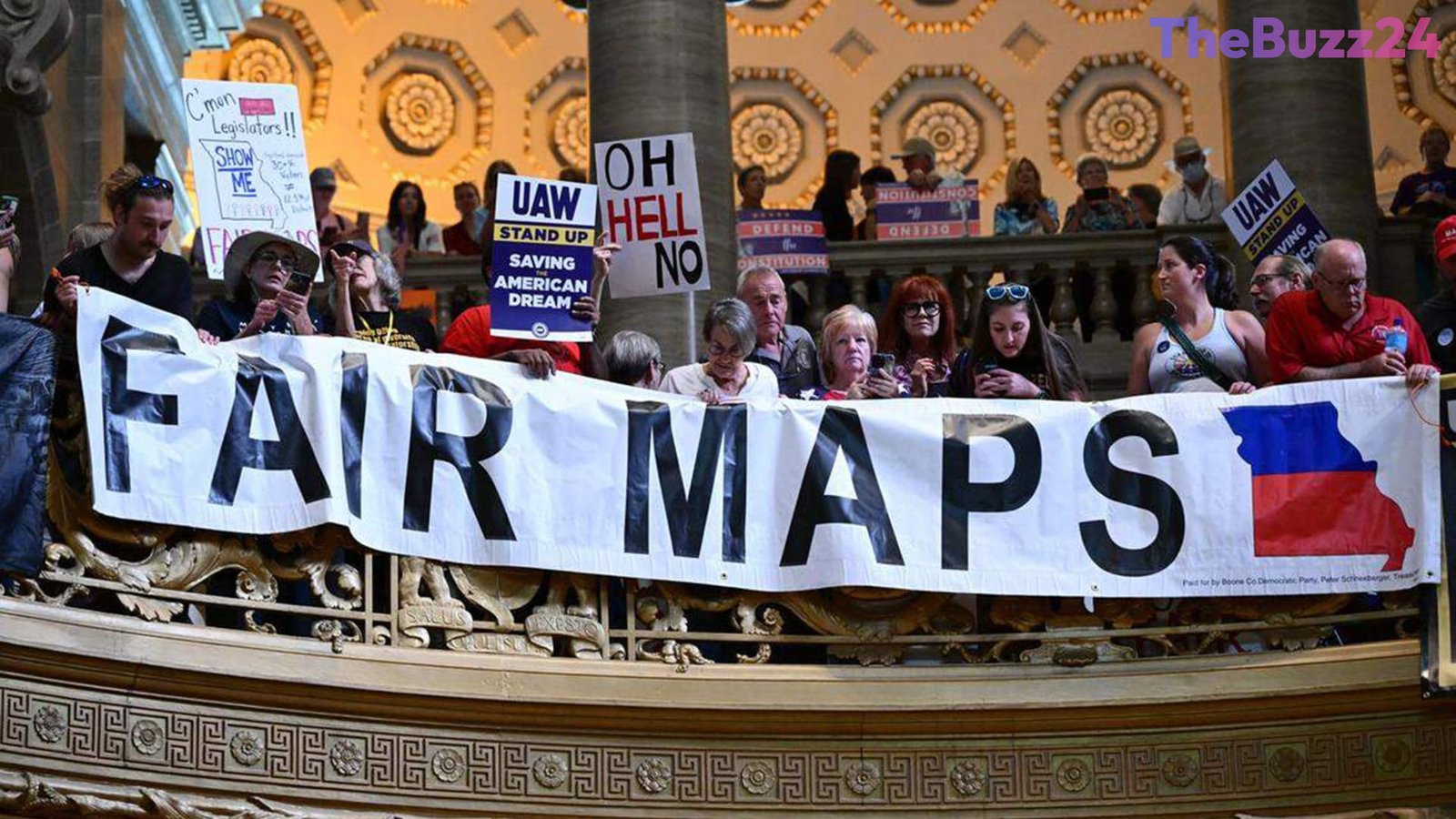
The United States Supreme Court has issued a significant ruling in the ongoing legal battle over Missouri’s congressional district boundaries, effectively barring the state from utilizing a redrawn map favored by Republicans for the upcoming November elections. This decision marks the third time the nation’s highest court has intervened in the dispute, creating a major hurdle for the party’s efforts to maintain its legislative majority.
The conflict centers on a map that critics, including the advocacy group People Not Politicians, argue was designed to unfairly benefit Republican candidates by dismantling a district previously held by Democratic Representative Emanuel Cleaver. The legal tug-of-war has spanned both state and federal courts, resulting in conflicting mandates that have left election officials and voters in a state of uncertainty as the midterm cycle progresses.
This latest intervention follows a controversial decision by the 8th U.S. Circuit Court of Appeals, which had attempted to reinstate the Republican-backed map despite a previous stay issued by the Supreme Court on September 10. Challengers argued that the appellate court’s move to force a lower court to reissue previously blocked relief was unprecedented. With absentee voting already underway, the Supreme Court’s decisive action aims to stabilize the electoral process by preventing the implementation of the contested boundaries.
Key Takeaways
- The Supreme Court has blocked Missouri from using a Republican-drawn congressional map for the third time.
- The dispute involves allegations that the new map was designed to dismantle a Democratic-held district in Kansas City.
- The ruling effectively overrides a recent decision by the 8th U.S. Circuit Court of Appeals, which had attempted to allow the use of the contested map.
Editor’s Analysis & Impact
The Supreme Court’s repeated intervention in Missouri’s redistricting process underscores the high stakes of partisan gerrymandering in the lead-up to midterm elections. By consistently blocking the implementation of maps that deviate from established state-level judicial rulings, the Court is signaling a reluctance to allow lower federal courts to bypass its own previous stays. This case highlights the broader tension between state-level authority—specifically the Missouri Supreme Court’s requirement for a voter referendum—and federal judicial oversight. Moving forward, this sets a precedent that could limit the ability of state officials to unilaterally redraw districts under the guise of federal court orders, potentially forcing a return to older, more established maps in future election cycles to ensure administrative stability.
Frequently Asked Questions
Q: Why did the Supreme Court block the Missouri map?
A: The Supreme Court blocked the map to prevent the use of boundaries that were contested in court and had previously been stayed by the justices, ensuring that the electoral process remains consistent while legal challenges are resolved.
Q: What happens to the congressional districts now?
A: Following the Supreme Court's intervention, the state is expected to revert to the previous congressional map established in 2022 for the upcoming midterm elections.
AI Disclosure: This article is based on verified data and official reports. Our Team and AI have cross-referenced every financial detail with primary sources to ensure total accuracy.
More from this Category