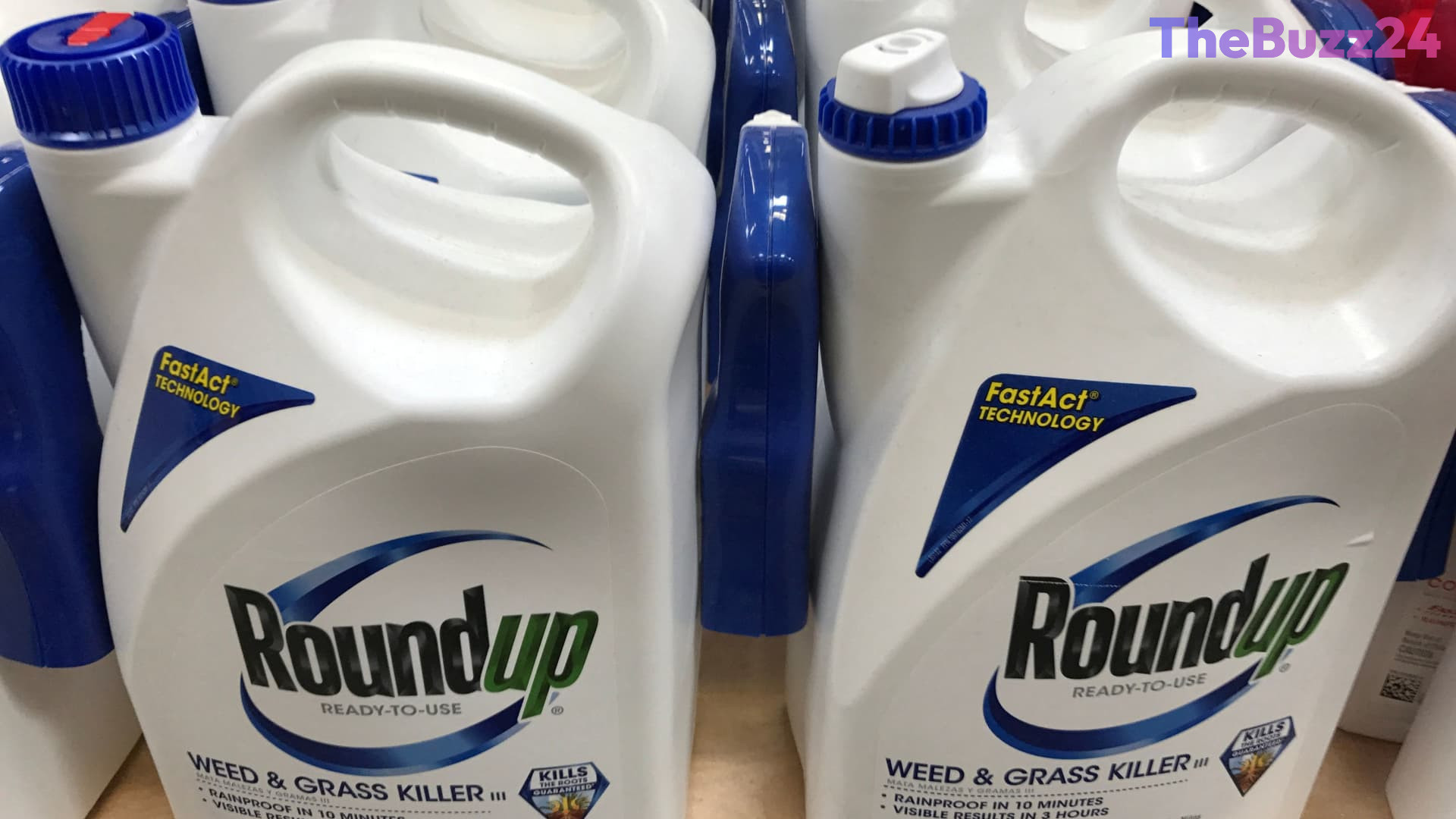
Supreme Court Ruling Shields Bayer from Roundup Cancer Liability
In a significant 7-2 ruling, the Supreme Court has curtailed the ability of plaintiffs to sue Bayer over claims that the company failed to warn consumers about potential cancer risks associated with its popular weedkiller, Roundup. The decision centers on the interpretation of the Federal Insecticide, Fungicide and Rodenticide Act (FIFRA), with the majority concluding that federal law preempts state-level failure-to-warn claims. Because the Environmental Protection Agency (EPA) has consistently deemed glyphosate—the active ingredient in Roundup—safe for use without requiring cancer warning labels, the Court determined that state tort laws cannot impose additional or conflicting labeling requirements.
Justice Brett Kavanaugh, writing for the majority, emphasized that FIFRA demands uniformity in pesticide labeling. By preventing states from mandating warnings that differ from federal standards, the ruling effectively halts a wave of litigation that has plagued Bayer since its 2018 acquisition of Monsanto. The decision specifically reverses a lower court judgment in favor of John Durnell, a plaintiff who had been awarded over $1 million after claiming his cancer was linked to glyphosate exposure. This precedent is expected to lead to the dismissal of numerous pending lawsuits and serve as a major barrier to future litigation of this nature.
While Bayer has hailed the decision as a victory for regulatory clarity and agricultural innovation, the ruling has sparked intense backlash from public health advocates. Critics, including members of the Make America Healthy Again (MAHA) movement, have expressed deep frustration, arguing that the decision prioritizes corporate interests over public safety. Despite the dissent from Justices Ketanji Brown Jackson and Neil Gorsuch—who argued that state claims were consistent with federal misbranding prohibitions—the Court’s decision solidifies a major legal win for the chemical industry and sets a definitive standard for pesticide liability in the United States.
Key Takeaways
- The Supreme Court ruled that federal law preempts state-level failure-to-warn lawsuits regarding glyphosate-based products like Roundup.
- The decision is expected to result in the dismissal of a large volume of pending litigation against Bayer, providing significant legal relief for the company.
- Justices Jackson and Gorsuch dissented, arguing that state-level claims were not in conflict with federal labeling mandates.
Editor’s Analysis & Impact
This Supreme Court ruling marks a pivotal shift in the long-standing legal battle surrounding glyphosate. By establishing federal preemption as a shield against state-level tort claims, the Court has effectively lowered the litigation risk profile for Bayer and other agricultural chemical manufacturers. From a market perspective, this provides much-needed stability for Bayer, which has faced billions in potential liabilities and significant stock volatility due to Roundup-related lawsuits. However, the ruling also highlights a growing tension between federal regulatory standards and public health activism. While the industry gains ‘regulatory clarity,’ the decision may intensify political pressure on the EPA to re-evaluate its stance on glyphosate. Future implications include a likely decline in successful consumer lawsuits, potentially forcing advocacy groups to shift their strategy toward lobbying for federal legislative changes rather than pursuing litigation through the court system.
Frequently Asked Questions
Q: Why did the Supreme Court rule in favor of Bayer?
A: The Court ruled that the Federal Insecticide, Fungicide and Rodenticide Act (FIFRA) preempts state-level failure-to-warn claims, meaning states cannot impose labeling requirements that differ from or add to federal standards set by the EPA.
Q: What does this mean for pending Roundup lawsuits?
A: The ruling is expected to lead to the dismissal of many current and future failure-to-warn lawsuits against Bayer, as the legal basis for these claims has been significantly weakened by the Court's interpretation of federal preemption.
AI Disclosure: This article is based on verified data and official reports. Our Team and AI have cross-referenced every financial detail with primary sources to ensure total accuracy.
More from this Category