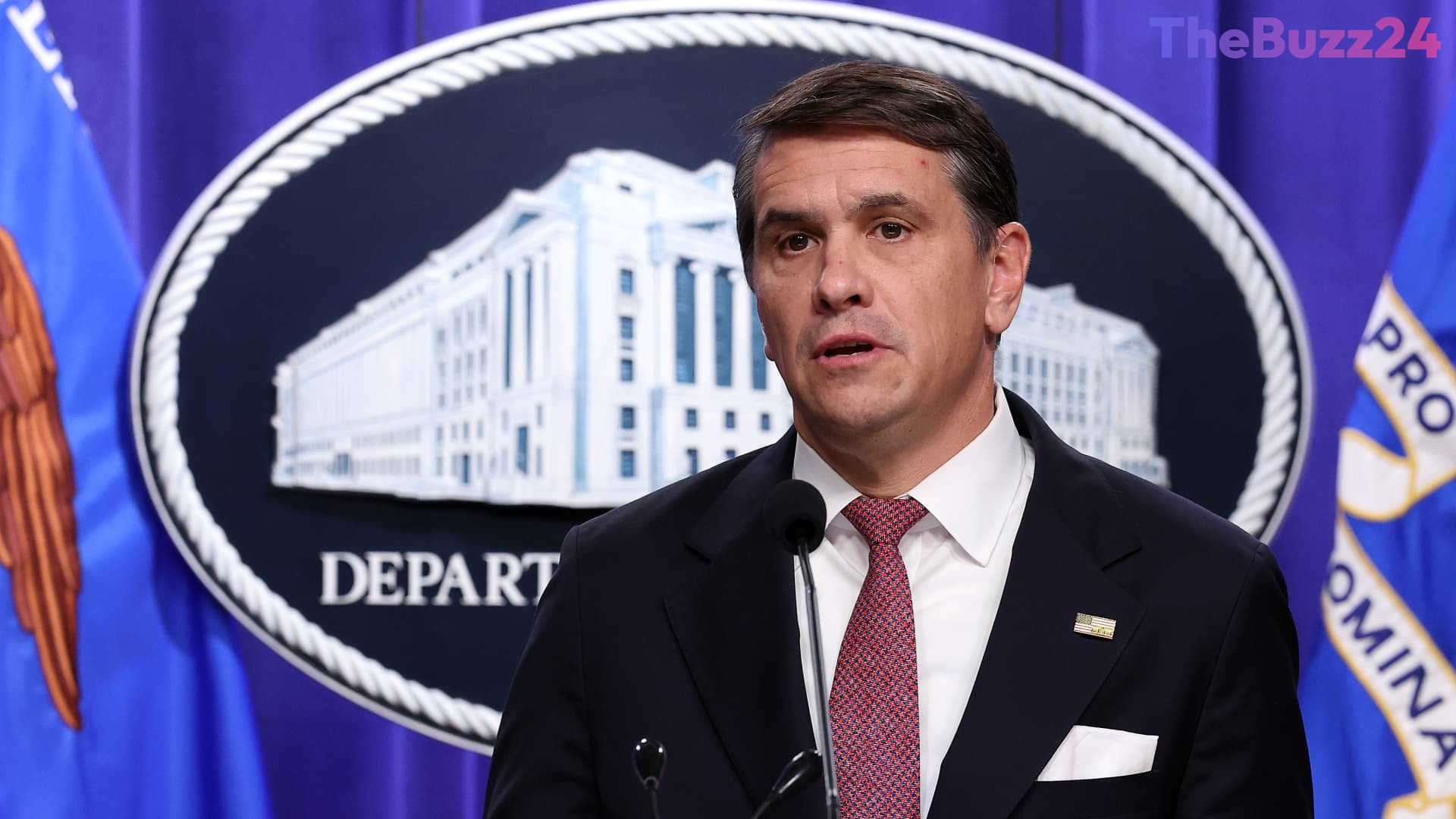
Federal Judge Orders Lawsuit Against Trump-Era DOJ ‘Anti-Weaponization’ Fund to Advance
A federal judge has ruled that a lawsuit challenging the Department of Justice’s creation of a $1.8 billion “anti-weaponization” fund will move forward. The decision by Judge Leonie Brinkema in the U.S. District Court in Alexandria, Virginia, comes after the DOJ declined to provide written confirmation that the controversial fund has been officially dissolved, despite verbal statements to that effect.
The fund was established by then-Acting Attorney General Todd Blanche as part of a settlement related to former President Donald Trump’s $10 billion lawsuit against the Internal Revenue Service. Designed to offer redress to individuals who allegedly “suffered weaponization and lawfare,” the fund’s potential disbursements totaled $1.776 billion, a symbolic nod to the year of the Declaration of Independence. However, the initiative drew sharp criticism, with opponents labeling it a “slush fund” that could potentially compensate Trump allies, including some individuals convicted in connection with the January 6, 2021, attack on the U.S. Capitol.
Despite Blanche’s testimony to a House committee on June 2 that the fund was “not going forward, period,” and DOJ lawyers citing this statement in arguments for dismissal, Judge Brinkema emphasized the necessity of a formal, written declaration. She noted that Blanche’s refusal to rescind his May 18 memo that structured the fund, coupled with the continued interest from both Blanche and former President Trump in compensating purported victims of DOJ overreach, supported her conclusion that the lawsuit was not moot. The DOJ had argued that written declarations were “unnecessary” and raised “serious separation of powers concerns,” but Brinkema found the lack of trustworthiness in their representations particularly concerning given the President’s consistent support for the fund.
The court has ordered the Department of Justice to file its answer to the lawsuit by July 17. The plaintiffs in the case include Andrew Floyd, a former federal prosecutor who claims he was fired for prosecuting cases against Trump supporters involved in the Capitol attack, along with Jonathan Caravello, a professor at California State University Channel Islands, and the city of New Haven, Connecticut.
Key Takeaways
- A federal judge ruled that a lawsuit challenging the Trump-era DOJ's $1.8 billion "anti-weaponization" fund will proceed.
- The judge's decision stems from the Department of Justice's refusal to provide written confirmation that the controversial fund has been officially terminated, despite verbal assurances.
- Critics have labeled the fund a "slush fund," raising concerns it could compensate allies of former President Trump, including individuals involved in the January 6th Capitol attack.
Editor’s Analysis & Impact
This judicial decision underscores the judiciary’s role in ensuring transparency and accountability from government agencies, particularly concerning the allocation of public funds. The insistence on written confirmation, despite verbal assurances, highlights a critical legal principle that could set a precedent for future administrations. The ongoing legal scrutiny of the “anti-weaponization” fund reflects broader political tensions and the lasting implications of policies from previous administrations. The outcome of this lawsuit could influence public trust in government institutions and shape how future special funds are established and dissolved, emphasizing the need for clear, documented processes to avoid perceptions of impropriety or political favoritism.
Frequently Asked Questions
Q: What is the 'anti-weaponization' fund?
A: The 'anti-weaponization' fund was a $1.8 billion initiative established by former Acting Attorney General Todd Blanche under the Trump administration. It was designed to provide redress to individuals who allegedly 'suffered weaponization and lawfare' by government entities, stemming from a settlement related to former President Trump's lawsuit against the IRS.
Q: Why is the lawsuit proceeding despite verbal assurances that the fund is not going forward?
A: Judge Leonie Brinkema ruled that the lawsuit must proceed because the Department of Justice refused to provide a formal, written declaration under penalty of perjury confirming the fund's termination. Despite verbal testimony from Acting Attorney General Todd Blanche, the judge deemed written confirmation essential, citing concerns about trustworthiness and the former President's continued support for the fund.
Q: Who are the plaintiffs in this lawsuit?
A: The plaintiffs in the lawsuit include Andrew Floyd, a former federal prosecutor; Jonathan Caravello, a professor at California State University Channel Islands; and the city of New Haven, Connecticut.
AI Disclosure: This article is based on verified data and official reports. Our Team and AI have cross-referenced every financial detail with primary sources to ensure total accuracy.
More from this Category