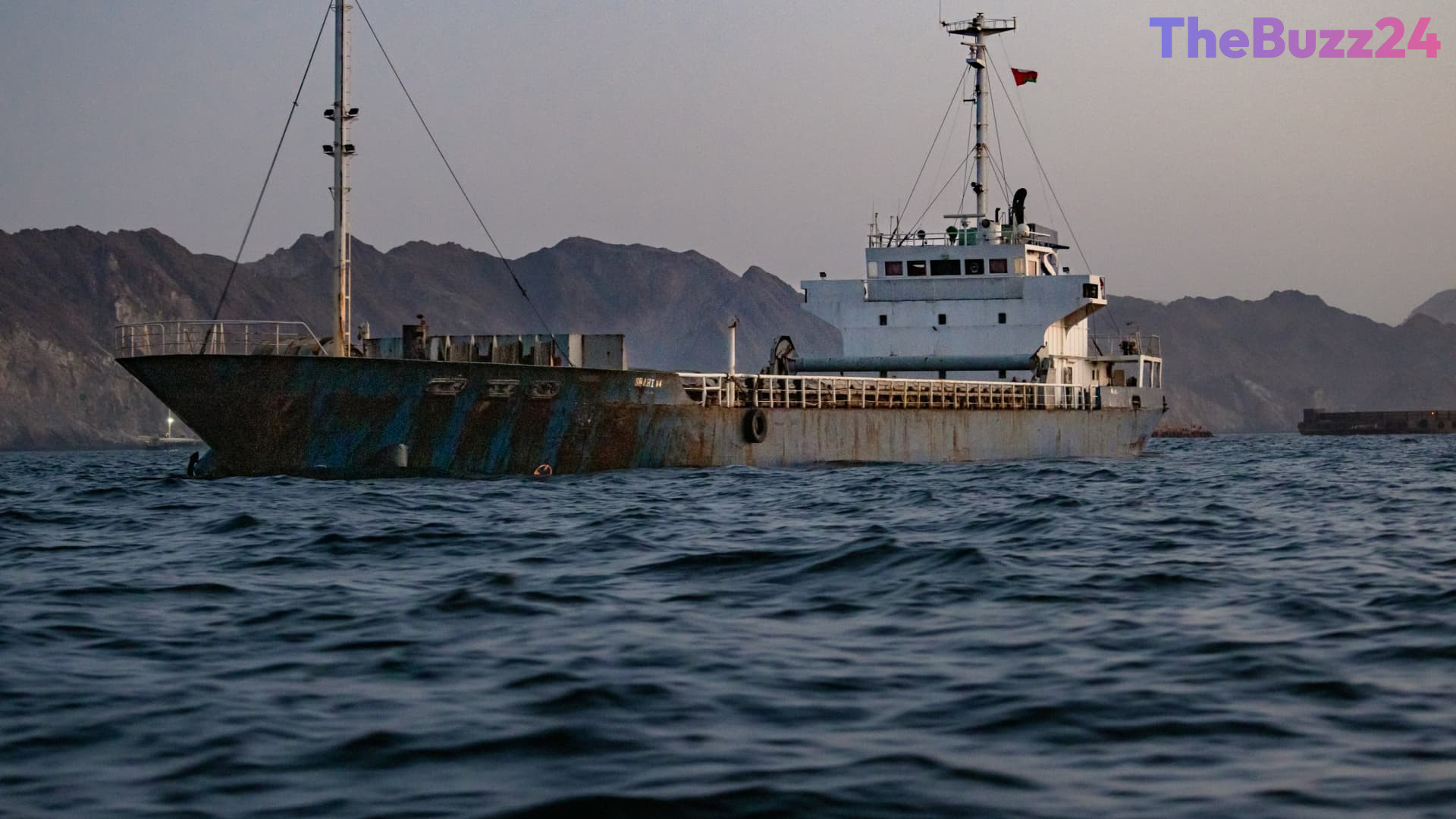
Tensions Escalate as Iran Demands Control Over Strait of Hormuz Shipping Routes
The Islamic Revolutionary Guard Corps (IRGC) has issued a stern warning to international shipping operators, declaring that any transit routes through the Strait of Hormuz established without Tehran’s explicit coordination are both unacceptable and dangerous. The directive mandates that all vessels must communicate with the IRGC Navy via designated channels before entering the waterway, or risk potential enforcement actions. This move signals a firm intent by Iran to maintain operational oversight of the critical energy chokepoint, despite recent diplomatic efforts to stabilize the region.
The warning follows a proposal by a naval information group suggesting alternative, safer transit corridors along the southern route near Omani territorial waters. While some shipping traffic has begun to recover—with recent data showing a modest uptick in crossings—the volume remains significantly lower than pre-war levels. Many operators continue to navigate the area with extreme caution, utilizing a fragmented mix of Iranian, Omani, and international maritime patterns rather than returning to established, pre-conflict norms.
Geopolitical friction remains high as the United States continues to challenge Iran’s influence over the region. The U.S. Treasury has previously sanctioned entities linked to the Persian Gulf Strait Authority, labeling their activities as extortionate and vowing to prevent the implementation of any unauthorized tolling systems. As Tehran asserts its authority, market analysts suggest that the long-term viability of the Strait as a primary global energy artery remains in jeopardy, with the potential for permanently suppressed traffic flows if Iran maintains its current strategic posture.
Key Takeaways
- Iran’s IRGC has declared all non-coordinated shipping routes through the Strait of Hormuz to be prohibited and dangerous.
- Vessels are being pressured to contact Iranian naval forces directly, complicating international efforts to establish independent, safe transit corridors.
- Shipping traffic through the vital energy chokepoint remains well below pre-war levels as operators fear potential enforcement actions and regional instability.
Editor’s Analysis & Impact
The situation in the Strait of Hormuz represents a significant bottleneck for global energy security. By asserting operational control, Iran is effectively leveraging its geographic position to influence international maritime trade, creating a ‘new normal’ that discourages full-scale commercial activity. The market impact is twofold: first, the uncertainty creates a permanent risk premium for shipping insurance and logistics costs in the Persian Gulf. Second, if Iran successfully enforces its mandate, it could lead to a long-term structural decline in oil transit volumes through the Strait, forcing global markets to rely more heavily on alternative pipelines or longer, more expensive shipping routes. The ongoing standoff between U.S. sanctions and Iranian maritime policy suggests that the Strait will remain a volatile flashpoint, likely preventing a return to pre-war traffic levels for the foreseeable future.
Frequently Asked Questions
Q: Why is the Strait of Hormuz considered a critical global chokepoint?
A: The Strait of Hormuz is one of the world's most important oil transit chokepoints, as a significant percentage of the world's total petroleum consumption passes through this narrow waterway daily.
Q: What are the risks for shipowners ignoring the IRGC's transit instructions?
A: Shipowners who ignore the IRGC's directives face the risk of enforcement actions, which could include vessel interception, inspection, or other forms of interference that could delay shipments and increase operational costs.
AI Disclosure: This article is based on verified data and official reports. Our Team and AI have cross-referenced every financial detail with primary sources to ensure total accuracy.
More from this Category