Precious Metals Struggle as Hawkish Central Banks Dampen Rally
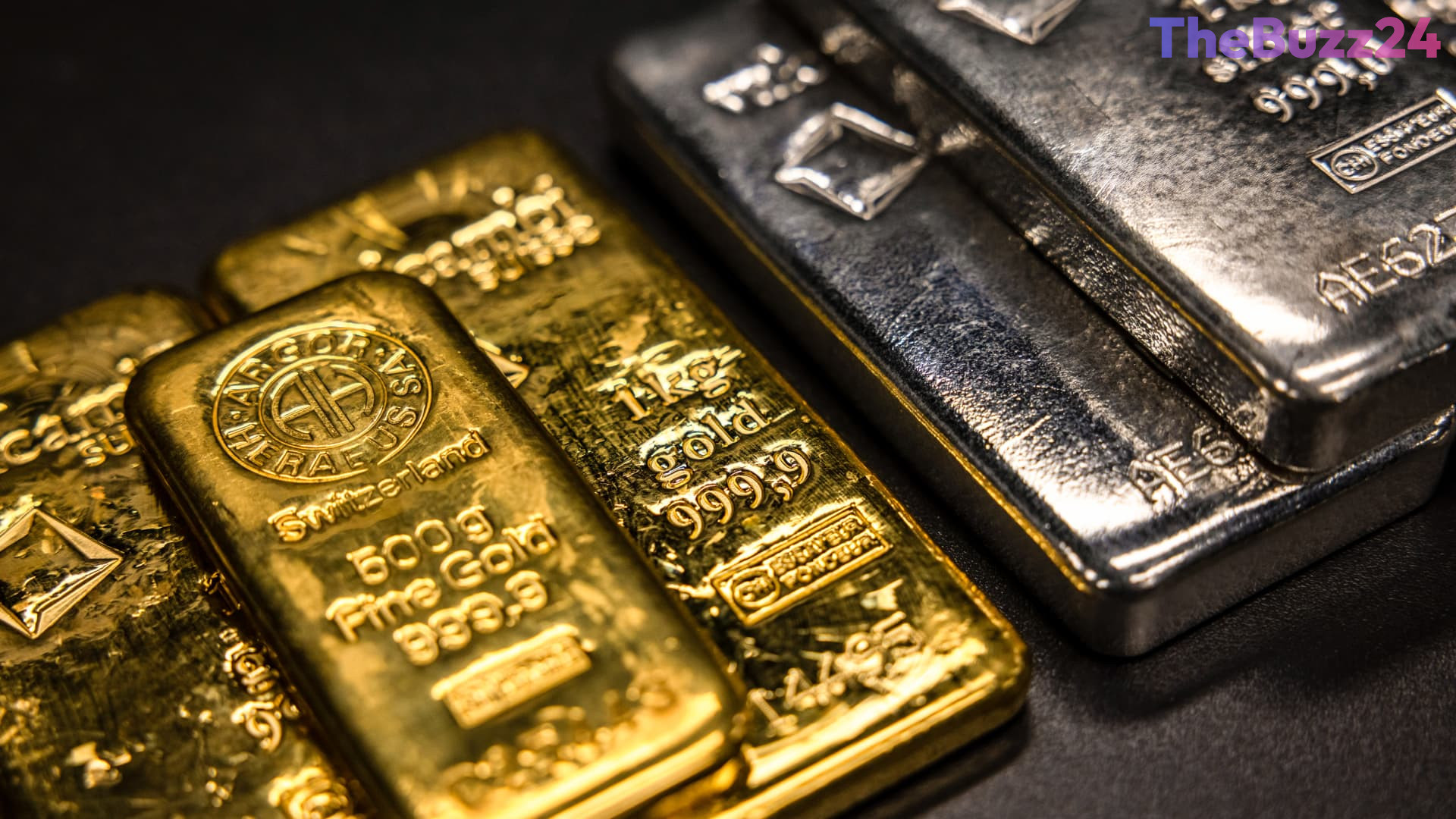
The precious metals market is facing significant headwinds as both gold and silver struggle to maintain their recent valuation peaks. Spot gold has recently dipped below the $4,000 per ounce threshold, while silver continues to trade under $60. These declines follow a period of extreme volatility, marking a sharp reversal from the record-breaking gains observed throughout 2025.
Market analysts attribute the current downward pressure to a combination of shifting geopolitical landscapes and a more aggressive stance from global central banks. With the easing of tensions in the Middle East, the traditional ‘safe haven’ appeal of gold has diminished. Simultaneously, the Federal Reserve and other major central banks are signaling a more hawkish monetary policy, including the potential for further interest rate hikes, which generally discourages investment in non-yielding assets like precious metals.
Investors appear to be pivoting away from gold and silver in favor of equities, as rising bond yields and a stronger dollar create a less favorable environment for commodities. While some market participants maintain that gold remains a vital hedge against long-term inflation and geopolitical uncertainty, the immediate outlook suggests a period of consolidation. Analysts expect prices to remain range-bound for the remainder of the year, with potential for further declines as the global economy adjusts to higher interest rate environments.
Key Takeaways
- Gold and silver prices are facing downward pressure as the safe-haven appeal of metals fades following the stabilization of geopolitical tensions.
- Hawkish monetary policies from the Federal Reserve and other central banks are driving investors toward equities and away from precious metals.
- Analysts expect gold and silver to remain range-bound for the rest of the year, with potential for further price corrections as inflation and interest rates remain elevated.
Editor’s Analysis & Impact
The precious metals sector is currently undergoing a structural transition as the ‘fear premium’ that drove 2025’s massive rally evaporates. The market is shifting from a geopolitical-driven narrative to a macro-driven one, where real yields and central bank policy dictate price action. The outlook for the remainder of 2026 is cautious; as long as the Federal Reserve maintains a hawkish trajectory, the opportunity cost of holding gold—which pays no interest—will remain high. While central bank reserves continue to support a long-term floor for gold, the immediate future is likely to be defined by profit-taking and a rotation into growth-oriented assets. Investors should monitor real interest rates and ETF liquidation trends as primary indicators for when the next sustainable rally might materialize.
Frequently Asked Questions
Q: Why are gold and silver prices falling despite inflation concerns?
A: While inflation is a factor, the market is currently more sensitive to rising interest rates and a stronger dollar. Higher rates increase the opportunity cost of holding non-yielding assets like gold, leading investors to favor interest-bearing alternatives like equities or bonds.
Q: Will central banks continue to buy gold?
A: Yes, recent surveys indicate that the majority of central banks still view gold as a critical hedge against long-term inflation and geopolitical risk, suggesting that institutional demand will likely provide a long-term support level for the metal.
AI Disclosure: This article is based on verified data and official reports. Our Team and AI have cross-referenced every financial detail with primary sources to ensure total accuracy.
More from this Category