Tensions Escalate as U.S. Declares Iran Ceasefire Void Following Renewed Hostilities
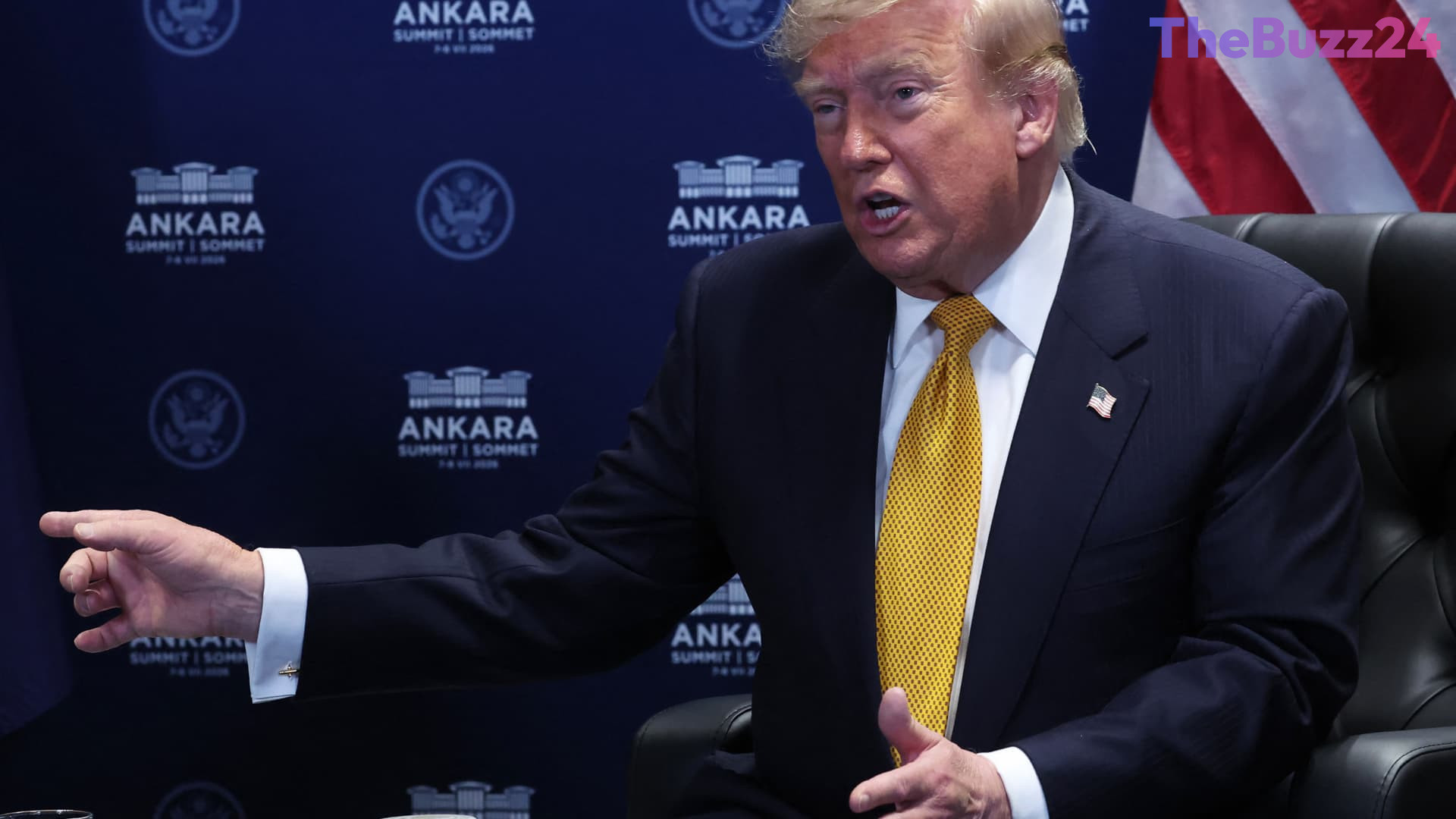
President Donald Trump has officially declared the ceasefire agreement with Iran to be over, signaling a return to aggressive military posturing following a series of violent clashes in the Middle East. The announcement, made during the NATO summit in Ankara, follows retaliatory U.S. strikes against Iranian targets after three commercial vessels were attacked in the Strait of Hormuz. Trump indicated that the U.S. is prepared to launch further significant military actions, while simultaneously considering the reimposition of a naval blockade on Iranian ports.
The collapse of the temporary truce marks a sharp pivot in the ongoing conflict, which began in late February. Despite earlier justifications for the war centered on preventing Iran from developing nuclear weapons, Trump now claims that the U.S. has effectively neutralized the threat by securing Iranian nuclear material. The administration has ruled out the deployment of ground troops at this time, focusing instead on air strikes and economic pressure, including the revocation of oil sale waivers for Iran.
Global markets reacted sharply to the breakdown in diplomacy, with Brent crude futures surging nearly 6% as concerns over energy security and the stability of the Strait of Hormuz intensified. While the U.S. military reported hitting over 80 targets—including air defense systems and naval assets—the Iranian Foreign Ministry has condemned the actions as a gross violation of the previous memorandum of understanding, vowing to defend its national sovereignty against further aggression.
Key Takeaways
- President Trump declared the U.S.-Iran ceasefire void, citing continued aggression and the targeting of commercial shipping.
- The U.S. military has conducted extensive strikes on Iranian air defenses and naval assets, with further military action expected.
- Global oil prices spiked significantly following the announcement, reflecting market fears over potential disruptions in the Strait of Hormuz.
Editor’s Analysis & Impact
The collapse of the U.S.-Iran ceasefire represents a significant escalation in geopolitical instability, with immediate consequences for global energy markets. By signaling a return to a naval blockade and further military strikes, the administration is prioritizing a strategy of maximum pressure over diplomatic resolution. This shift creates a volatile environment for global trade, particularly given the strategic importance of the Strait of Hormuz for oil transit. The market’s rapid reaction—evidenced by the surge in crude oil prices—suggests that investors are pricing in a prolonged period of regional conflict. Looking ahead, the effectiveness of this ‘hit hard’ strategy remains uncertain; while it may degrade Iranian military capabilities, it risks further entrenching the conflict and potentially triggering a broader energy shock that could impact global inflation and economic recovery efforts.
Frequently Asked Questions
Q: Why did the U.S. declare the ceasefire with Iran over?
A: The U.S. declared the ceasefire over following a series of attacks on three commercial vessels in the Strait of Hormuz, which the U.S. military attributed to Iranian forces.
Q: How has the market responded to the renewed hostilities?
A: Global oil prices saw a sharp increase, with Brent crude futures rising approximately 5.7% and U.S. West Texas Intermediate futures climbing 5.9% following the announcement.
AI Disclosure: This article is based on verified data and official reports. Our Team and AI have cross-referenced every financial detail with primary sources to ensure total accuracy.
More from this Category