Waymo Accelerates Robotaxi Expansion into Four Major U.S. Cities
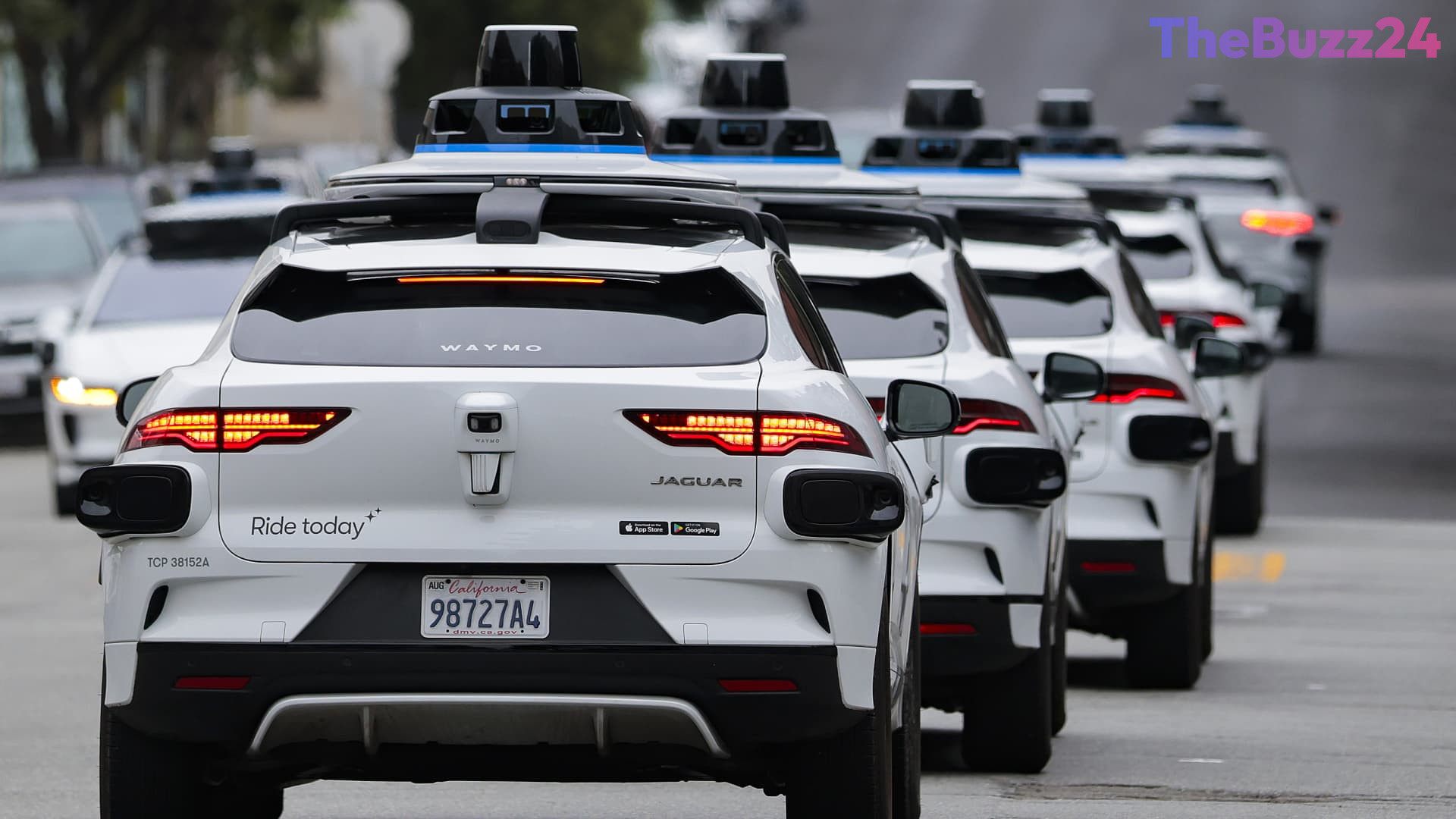
Waymo is significantly broadening its footprint in the autonomous vehicle sector, announcing the launch of driverless ride services in San Diego, Las Vegas, Tampa, and Denver. This strategic expansion marks a major milestone for the Alphabet-owned company as it seeks to solidify its dominance in the competitive U.S. robotaxi market. The initial phase of the rollout will be restricted to company employees before transitioning to full public access in the coming weeks.
Currently operating in over 10 cities, Waymo maintains a substantial lead over industry rivals such as Tesla and Amazon’s Zoox. While competitors are beginning to test their own autonomous fleets in cities like Austin and Miami, Waymo’s established infrastructure and fleet size—which includes approximately 4,000 vehicles equipped with advanced automated driving systems—position it as the clear frontrunner. The company has already surpassed 20 million autonomous trips and is aggressively targeting a milestone of one million weekly rides by the end of the year.
Despite this rapid growth, the company faces ongoing operational hurdles. Recent incidents, including vehicles stalling in traffic during holiday congestion and navigating through flooded streets, have highlighted the complexities of scaling autonomous technology in diverse urban environments. Furthermore, the company is preparing for its first international foray into London, backed by a recent $16 billion funding round that underscores investor confidence in the long-term viability of its autonomous platform.
Key Takeaways
- Waymo is launching driverless ride services in San Diego, Las Vegas, Tampa, and Denver.
- The company aims to reach one million weekly autonomous trips by the end of the year.
- Waymo is expanding internationally with plans to enter the London market later this year.
Editor’s Analysis & Impact
Waymo’s aggressive expansion signals a transition from the experimental phase of autonomous driving to a period of industrial scaling. By entering four new markets simultaneously, the company is attempting to create a ‘network effect’ that makes its service indispensable to urban commuters. However, the industry remains under intense scrutiny regarding safety and reliability. The incidents involving traffic congestion and environmental navigation suggest that while the software is capable, the operational logistics of managing a massive, driverless fleet in real-world conditions remain a significant challenge. If Waymo can successfully navigate these regulatory and technical hurdles while maintaining its current growth trajectory, it will likely set the standard for the global robotaxi industry, forcing competitors to either accelerate their own development or risk becoming obsolete in the race for autonomous mobility dominance.
Frequently Asked Questions
Q: Who can use the Waymo service in the new cities initially?
A: In the initial phase of the rollout, the service will be limited to Alphabet employees before being opened to the general public.
Q: How many autonomous trips has Waymo completed to date?
A: Waymo has completed more than 20 million autonomous rides across its operational markets.
AI Disclosure: This article is based on verified data and official reports. Our Team and AI have cross-referenced every financial detail with primary sources to ensure total accuracy.
More from this Category