Terror and Devastation: Survivors Recall the Catastrophic 6.8-Magnitude Japan Earthquake
A powerful 6.8-magnitude earthquake struck Japan’s Kumamoto prefecture late on Tuesday, leaving at least 13 people dead and triggering widespread destruction across the region. The sudden tremor caused severe structural damage, plunging tens of thousands of residents into power and water outages while sparking urgent rescue missions as authorities race against time to save those trapped.
In Yatsushiro, local business owners experienced sheer terror as the ground violently heaved. Hiroko Ogata, a 75-year-old diner co-owner, recalled how the building lurched uncontrollably, shattering glassware and throwing kitchen contents to the floor. Despite having lived through past seismic events, including the devastating 2016 tremors that claimed hundreds of lives, residents noted that this latest jolt felt entirely unprecedented in its intensity.
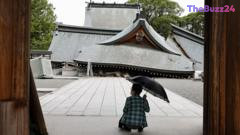
The earthquake severely impacted major infrastructure, bringing down exterior walls of the historic 17th-century Kumamoto Castle and causing the complete collapse of the 19th-century Yatsushiro Shrine. Shopping centers, medical facilities, and numerous local businesses sustained heavy damage. Prime Minister Sanae Takaichi swiftly mobilized thousands of personnel for overnight rescue and recovery operations, though ongoing aftershocks continue to hamper relief efforts.
As survivors begin the daunting task of cleaning up debris and assessing structural damages, meteorological authorities have urged extreme vigilance. Experts warn that the active fault zones running through Kyushu island could trigger further significant tremors in the coming days, leaving traumatized residents on high alert while they try to piece their lives back together.
Key Takeaways
- A 6.8-magnitude earthquake struck Kumamoto prefecture in Japan, resulting in at least 13 fatalities and extensive structural damage.
- Prime Minister Sanae Takaichi deployed 4,600 rescue personnel for overnight emergency operations as locals remain trapped or unaccounted for.
- Meteorological experts have issued warnings regarding potential larger aftershocks due to the region's active tectonic fault systems.
Editor’s Analysis & Impact
The recent 6.8-magnitude earthquake in Kumamoto serves as a stark reminder of Japan’s persistent vulnerability to seismic activity and highlights the critical importance of robust disaster management infrastructure. Economically, repeated disruptions to regional commerce, tourism, and local small businesses impose significant financial strains on communities already historically prone to tremors. From an engineering and urban planning perspective, the partial collapse of historic landmarks like Kumamoto Castle alongside modern commercial spaces emphasizes the ongoing challenge of retrofitting aging structures to withstand high-magnitude faults. Furthermore, the psychological toll on residents—compounded by fears stemming from the 2016 disaster—demonstrates that disaster recovery must encompass comprehensive mental health support alongside physical rebuilding efforts. Moving forward, authorities will likely accelerate reinforcement protocols along the Hinagu fault zone to mitigate future risks.
Frequently Asked Questions
Q: What was the magnitude of the earthquake that struck Kumamoto?
A: The earthquake registered a magnitude of 6.8 and struck Kumamoto prefecture late on a Tuesday.
Q: How many casualties and damages have been reported so far?
A: At least 13 people have been killed, with numerous others unaccounted for. Additionally, tens of thousands experienced power and water outages, and at least 45 medical facilities sustained damage alongside historical sites like Kumamoto Castle.
Q: Why are experts warning about potential future earthquakes?
A: Kumamoto is located on Kyushu island, which features a complex network of active fault zones such as the Hinagu fault. Because parts of these fault zones remain unruptured, seismologists warn that larger quakes could potentially follow.
AI Disclosure: This article is based on verified data and official reports. Our Team and AI have cross-referenced every financial detail with primary sources to ensure total accuracy.
More from this Category