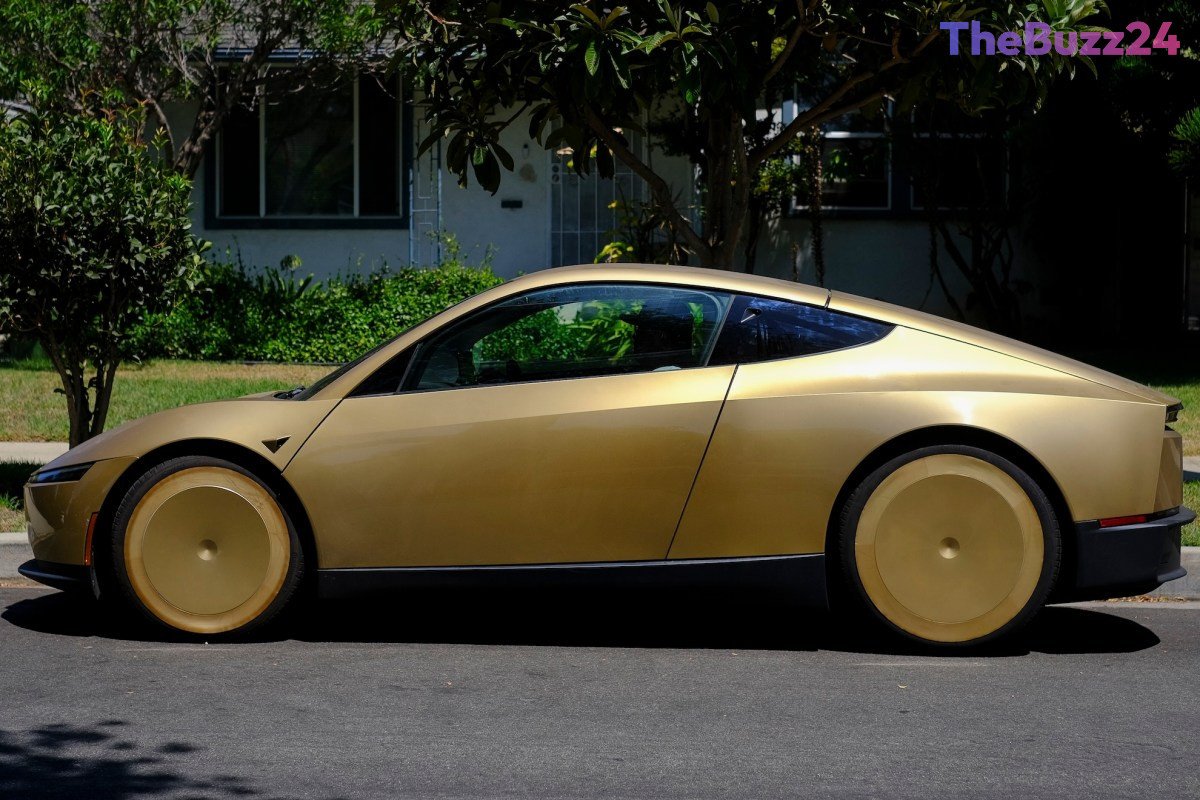
Tesla Cybercab Rolls Out to Mixed Reception and Regulatory Scrutiny
Tesla has officially deployed its highly anticipated Cybercab onto the streets of Austin, marking a major milestone for the automaker’s autonomous vehicle ambitions. However, the launch has been met with immediate regulatory hurdles and a lukewarm response from financial markets. The newly introduced robotaxis completely lack manual driving controls such as steering wheels and pedals, setting the stage for a dramatic shift in how urban transportation might operate in the near future.
Despite the groundbreaking nature of the rollout, the initial event lacked the electric festival atmosphere typical of past company showcases, and chief executive Elon Musk was notably absent. Wall Street analysts remained skeptical as competitors like Waymo continue to scale operations far more aggressively across multiple major metropolitan areas. Furthermore, the National Highway Traffic Safety Administration swiftly opened an official investigation into the self-certified vehicles, questioning the legality of operating steering-wheel-free cars without prior federal exemption.
Adding to the complexity, the autonomous vehicle sector continues to experience rapid shifts globally, with competitors expanding airport routes, upgrading sensor suites, and forging international partnerships. Tesla’s decision to self-certify its fleet places it on a collision course with federal regulators who are carefully evaluating the safety frameworks required for driverless transportation. As the investigation unfolds, the ultimate success of the Cybercab will depend heavily on whether the company can successfully scale the service while addressing these pressing safety and compliance challenges.
Key Takeaways
- Tesla has deployed its first pedal-and-steering-wheel-free Cybercabs on public roads in Austin, Texas.
- The National Highway Traffic Safety Administration has launched an investigation into the self-certified robotaxi fleet.
- Financial markets and industry observers remain cautious about Tesla's ability to scale quickly compared to established competitors like Waymo.
Editor’s Analysis & Impact
The rollout of Tesla’s Cybercab represents a critical juncture for both the company and the broader autonomous vehicle industry. By attempting to bypass traditional vehicle design standards through self-certification, Tesla is directly challenging existing regulatory frameworks established by safety agencies. While the removal of manual controls signals a bold commitment to pure autonomous design, it also invites intense regulatory scrutiny that could slow deployment timelines. The market’s subdued reaction highlights a growing fatigue with overhyped product demos, shifting investor focus entirely toward verifiable safety records, regulatory compliance, and actual operational scale. Moving forward, the outcome of federal investigations into these steering-wheel-free vehicles will likely establish a powerful precedent for all automakers attempting to commercialize fully autonomous ride-hailing fleets without traditional safety backups.
Frequently Asked Questions
Q: What makes the Tesla Cybercab different from traditional vehicles?
A: The Cybercab is designed entirely for autonomous operation and lacks traditional manual controls, including a steering wheel and foot pedals.
Q: Why is the National Highway Traffic Safety Administration investigating Tesla?
A: The regulatory agency opened an inquiry because federal safety regulations typically mandate manual driving controls, and Tesla chose to self-certify its steering-wheel-free vehicles rather than secure formal exemptions beforehand.
Q: How many Cybercabs have been registered so far?
A: According to state automated vehicle tracking data, Tesla has initially registered 45 Cybercabs in Texas.
AI Disclosure: This article is based on verified data and official reports. Our Team and AI have cross-referenced every financial detail with primary sources to ensure total accuracy.
More from this Category