Tesla Expands Florida Autonomous Pilot Programs to Orlando and Tampa Ahead of Earnings
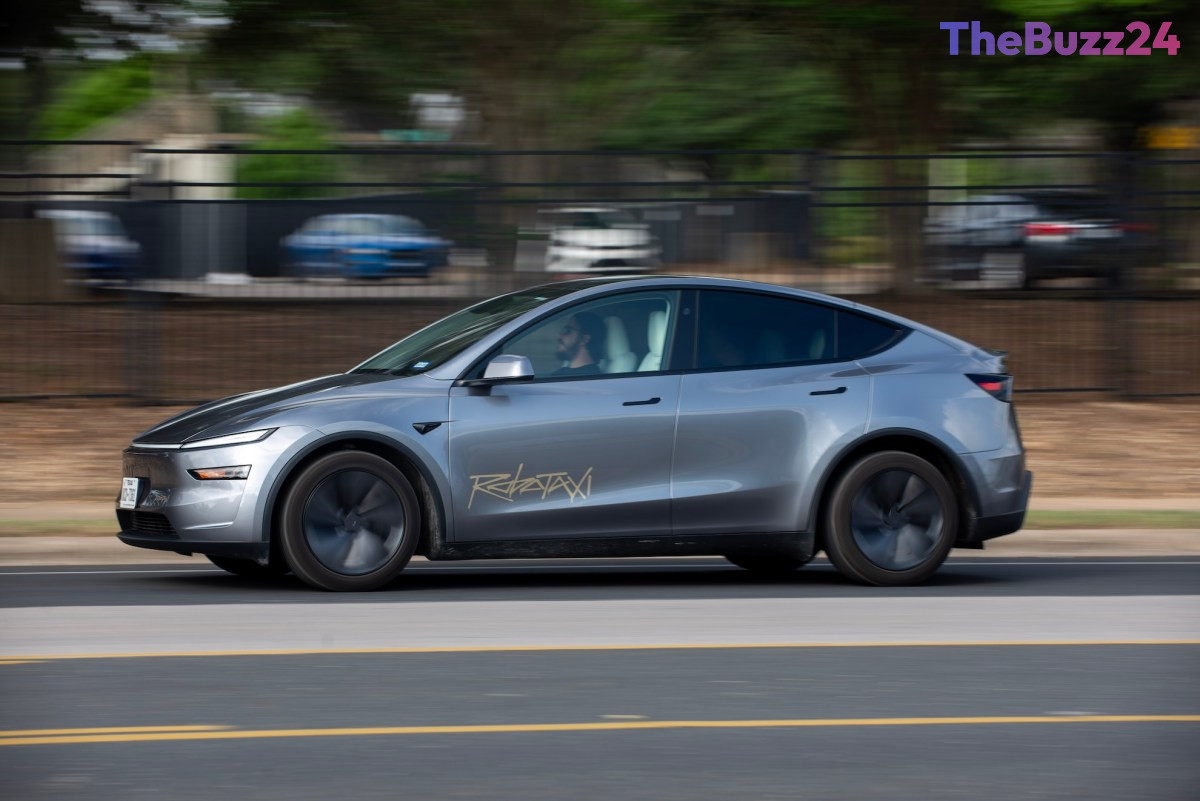
Tesla has expanded its autonomous vehicle testing footprint by launching unsupervised Model Y robotaxi pilots in Orlando and Tampa. The expansion comes just a day before the electric vehicle manufacturer presents its second-quarter earnings report, signaling ongoing momentum in its autonomous driving ambitions. This latest move brings the total number of Florida test markets to three, following an initial deployment in Miami last month.
The active operational zones in Orlando and Tampa currently cover limited geographical areas, with detailed operational metrics remaining undisclosed by the company. Observers note a similar pattern to previous test launches in Dallas and Houston, which were announced prior to the company’s first-quarter financial update but have yet to see widespread scaling.
Despite ambitious historical projections from CEO Elon Musk, who previously envisioned automated rides reaching half of the American population by late 2025, commercial deployment has proceeded at a cautious pace. Regulatory shifts, however, could accelerate these efforts. A recent Department of Transportation proposal seeking to eliminate standard physical driver control requirements—such as brake pedals—for fully automated vehicles could streamline the rollout of custom designs like the two-seater Cybercab across major U.S. metropolitan centers.
Key Takeaways
- Tesla launched unsupervised Model Y robotaxi tests in Orlando and Tampa ahead of its Q2 earnings report.
- The company now operates pilot programs in three Florida cities, alongside earlier test launches in Dallas and Houston.
- Proposed federal regulatory rule changes regarding physical driver controls could accelerate the commercial deployment of Tesla's Cybercab.
Editor’s Analysis & Impact
Tesla’s strategic timing of these robotaxi pilots right before its quarterly earnings announcement highlights the high financial and narrative stakes surrounding its autonomous technology. While full-scale commercialization remains behind earlier optimistic timelines, the incremental geographical testing demonstrates steady technical progress. A favorable regulatory shift by the Department of Transportation—particularly regarding pedal-less vehicle mandates—could act as a significant catalyst, lowering barriers to mass production and deployment for vehicles like the Cybercab. Investors and industry analysts will likely look past initial limited-scale pilots to focus on regulatory approvals, safety data, and long-term monetization strategies as autonomous mobility becomes increasingly competitive.
Frequently Asked Questions
Q: Where is Tesla currently testing its autonomous robotaxis in Florida?
A: Tesla is actively conducting robotaxi pilot programs in Orlando, Tampa, and Miami.
Q: What recent regulatory change could benefit Tesla's Cybercab rollout?
A: The U.S. Department of Transportation proposed a rule change that would remove requirements for physical driver controls, like brake pedals, in fully autonomous vehicles.
Q: How does this launch fit into Tesla's financial reporting schedule?
A: The Orlando and Tampa pilot deployments occurred just one day prior to Tesla's scheduled second-quarter earnings call.
AI Disclosure: This article is based on verified data and official reports. Our Team and AI have cross-referenced every financial detail with primary sources to ensure total accuracy.
More from this Category