Tesla Expands Full Self-Driving Footprint into Lithuania as European Adoption Grows
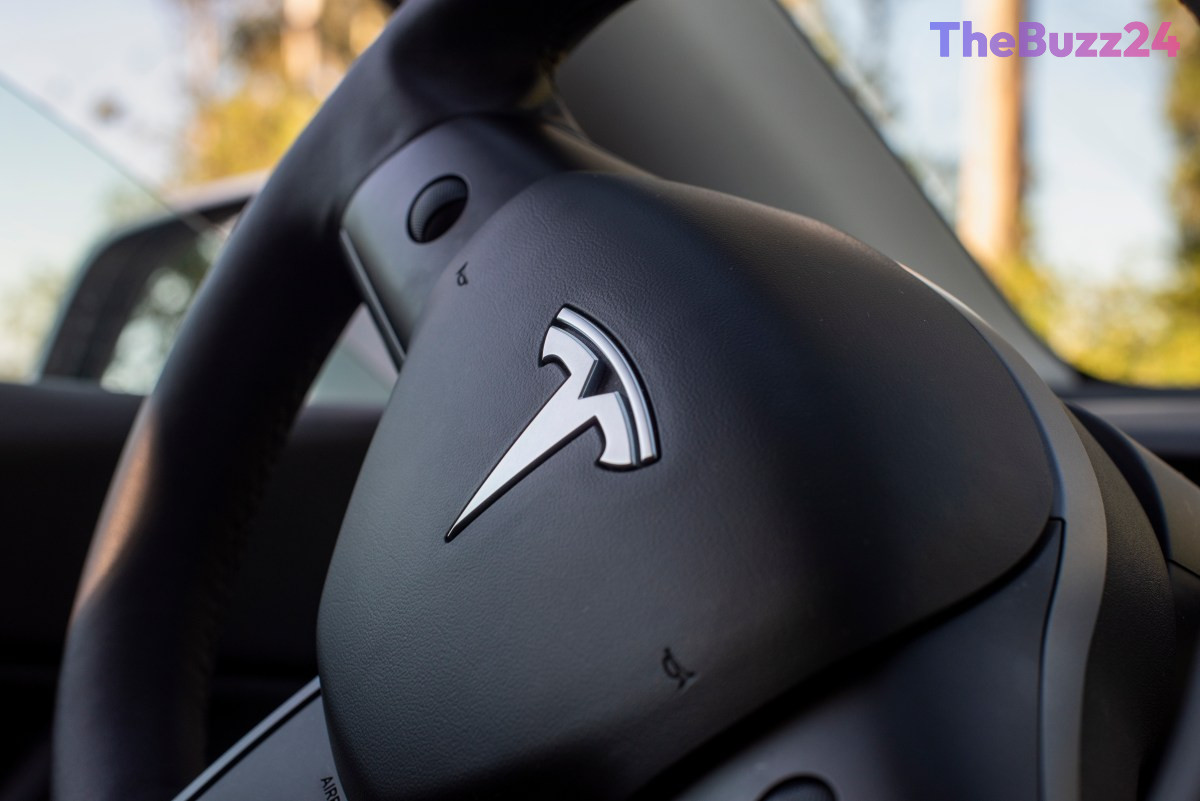
Tesla has officially secured authorization to deploy its Full Self-Driving (Supervised) software in Lithuania, marking a significant milestone in the company’s push to expand its advanced driver-assistance technology across Europe. This regulatory approval follows a successful precedent set in the Netherlands, suggesting that Tesla is effectively navigating the complex European landscape to bring its AI-driven features to a broader international audience.
This expansion is a cornerstone of Tesla’s long-term strategy to transition from a traditional automotive manufacturer into a global leader in artificial intelligence and robotics. With a stated goal of reaching 10 million active FSD subscriptions by 2035, the company is currently working to scale its existing base of 1.3 million global users. By securing approvals in new territories, Tesla is building the necessary momentum to meet these aggressive growth targets.
Industry observers note that the regulatory framework established by Dutch authorities is becoming a blueprint for other nations. With Greece and Belgium reportedly next in line for potential authorization, the momentum suggests a shift toward wider acceptance of autonomous driving technologies within the European Union. While the current focus remains on the supervised version of the software, Tesla continues to refine its unsupervised autonomous systems and humanoid robotics, positioning its FSD subscription model as the primary gateway for consumers to engage with its evolving AI ecosystem.
Key Takeaways
- Lithuania has become the latest European nation to authorize Tesla's Full Self-Driving (Supervised) software.
- The expansion utilizes a regulatory framework pioneered in the Netherlands, which is expected to facilitate further rollouts in countries like Greece and Belgium.
- Tesla is scaling its FSD subscription model as a key component of its broader transition into an AI and robotics-focused enterprise.
Editor’s Analysis & Impact
Tesla’s entry into the Lithuanian market represents a calculated effort to standardize its regulatory approach across Europe. By successfully replicating the Dutch approval model, the company is effectively de-risking its international expansion strategy. This move is vital for Tesla’s valuation, as the market increasingly views the company not just as a car manufacturer, but as a software-as-a-service (SaaS) provider with high-margin recurring revenue potential. The broader implication is a shift in the European automotive sector, where regulatory bodies are beginning to harmonize standards for advanced driver-assistance systems. If Tesla continues to secure these approvals, it will likely solidify its dominance in the autonomous driving space, creating a significant competitive moat against traditional automakers struggling to match its AI development pace and subscription-based business model.
Frequently Asked Questions
Q: What is the primary requirement for using Tesla's Full Self-Driving (Supervised) software?
A: The 'Supervised' designation means that while the vehicle can handle steering, braking, and acceleration, the driver must remain fully attentive and prepared to take control of the vehicle at any moment.
Q: How does the European expansion impact Tesla's long-term goals?
A: Expanding into Europe is essential for Tesla to reach its target of 10 million active FSD subscriptions by 2035, providing the necessary scale to validate its AI technology and generate consistent subscription revenue.
AI Disclosure: This article is based on verified data and official reports. Our Team and AI have cross-referenced every financial detail with primary sources to ensure total accuracy.
More from this Category