Tesla Eyes Global Transportation Domination with Cybercab Expansion
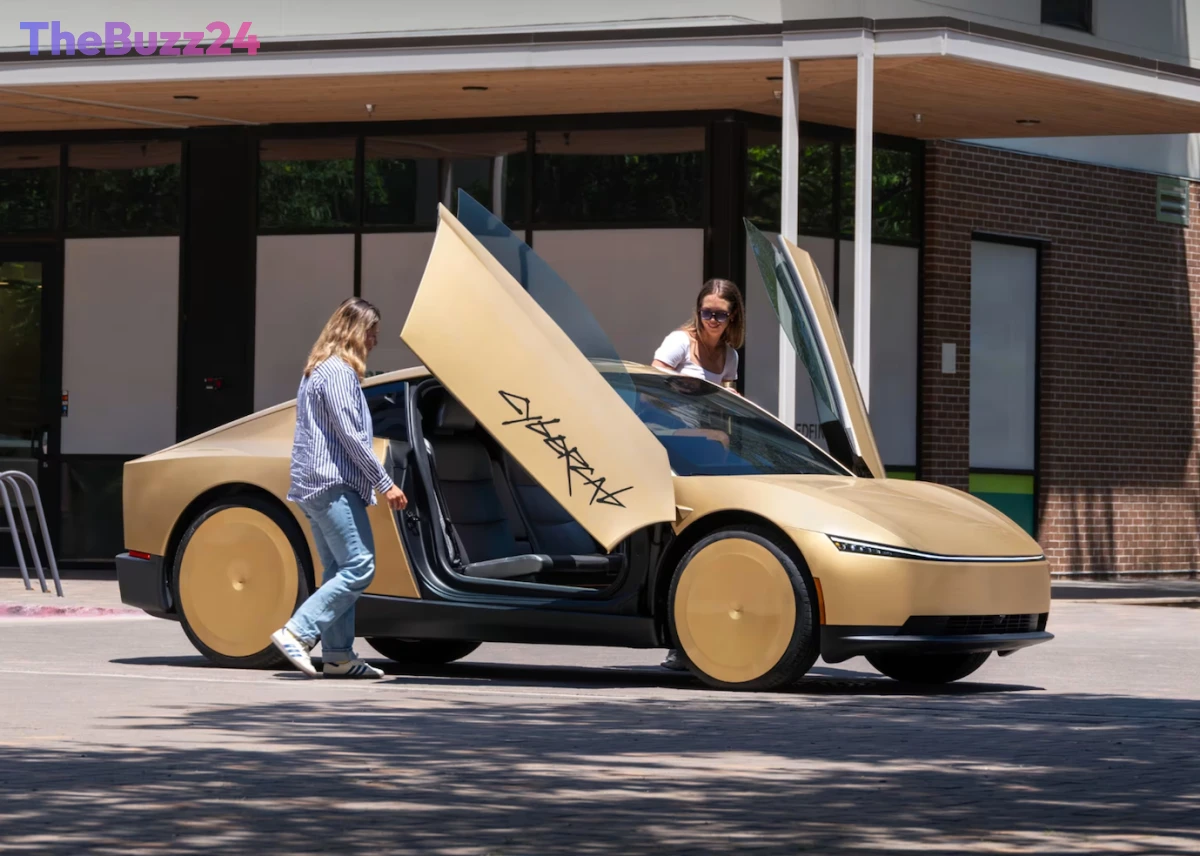
Tesla is signaling an aggressive push to reshape the transportation landscape, announcing plans to roll out its Cybercab service beyond its initial Austin, Texas base. The company’s ambition, as articulated by Chief Financial Officer Vaibhav Taneja, is to “literally take over every part of terrestrial transportation,” starting with passenger transit and potentially expanding to encompass all forms of movement on Earth.
The immediate focus for the Cybercab expansion is Dallas, with service slated to begin next month, followed by a broader rollout to other cities before the year concludes. This move builds upon Tesla’s existing robotaxi operations, which currently utilize Model Y SUVs in limited fleets across Dallas, Houston, and several Florida cities. Furthermore, Tesla intends to begin offering Cybercabs to fleet operators by the end of 2023, signaling a significant scaling effort.
This expansion positions Tesla for a direct confrontation with Waymo, the current leader in the U.S. robotaxi market. Tesla’s strategy hinges on the Cybercab’s purported ease of manufacturing and lower cost, which could allow it to offer more competitive pricing. However, the company must demonstrate its ability to achieve significant scale outside of Austin to validate these claims and challenge established players.
While Tesla reported a substantial increase in self-driving miles logged by its vehicles, the financial performance of its robotaxi venture remains largely opaque. CEO Elon Musk indicated that the ride-hailing business might not significantly impact the company’s overall financials until late 2027. Adding to the lack of clarity, Tesla altered its shareholder report, shifting from tracking “Cumulative Paid Robotaxi Miles” to “Cumulative Unsupervised Robotaxi Miles,” a change that obscures the revenue-generating aspect of the service. Despite assurances of improving utilization, specific financial figures were not disclosed.
Key Takeaways
- Tesla is expanding its Cybercab robotaxi service beyond Austin, Texas, aiming for broad market penetration.
- The company plans to sell Cybercabs to fleet operators and compete directly with market leader Waymo.
- Financial details and regulatory hurdles remain significant challenges for Tesla's robotaxi ambitions.
Editor’s Analysis & Impact
Tesla’s ambitious Cybercab rollout signals a significant strategic pivot towards dominating the autonomous transportation sector. By leveraging its manufacturing prowess and aiming for cost efficiencies, the company seeks to disrupt the established robotaxi market, currently led by Waymo. However, the path forward is fraught with challenges, including the need for extensive regulatory approvals and the inherent complexities of scaling autonomous technology in diverse real-world conditions. The company’s shift in reporting metrics also raises questions about transparency and the true commercial viability of its robotaxi operations. Success will depend on Tesla’s ability to navigate these regulatory and technological hurdles while proving the economic feasibility of its service at scale.
Frequently Asked Questions
Q: What is Tesla's Cybercab?
A: The Cybercab is Tesla's planned robotaxi vehicle, designed for autonomous passenger transport. It is intended to be manufactured efficiently and offered at a competitive price point to facilitate widespread adoption.
Q: Who is Tesla's main competitor in the robotaxi market?
A: Waymo, a subsidiary of Alphabet Inc., is currently considered the market leader in the U.S. robotaxi sector, with a significant number of deployed vehicles across multiple cities.
Q: What are the main challenges facing Tesla's Cybercab launch?
A: Key challenges include obtaining necessary regulatory approvals, overcoming technological limitations for autonomous driving in various conditions, and proving the financial viability and scalability of the service to compete effectively in the market.
AI Disclosure: This article is based on verified data and official reports. Our Team and AI have cross-referenced every financial detail with primary sources to ensure total accuracy.
More from this Category