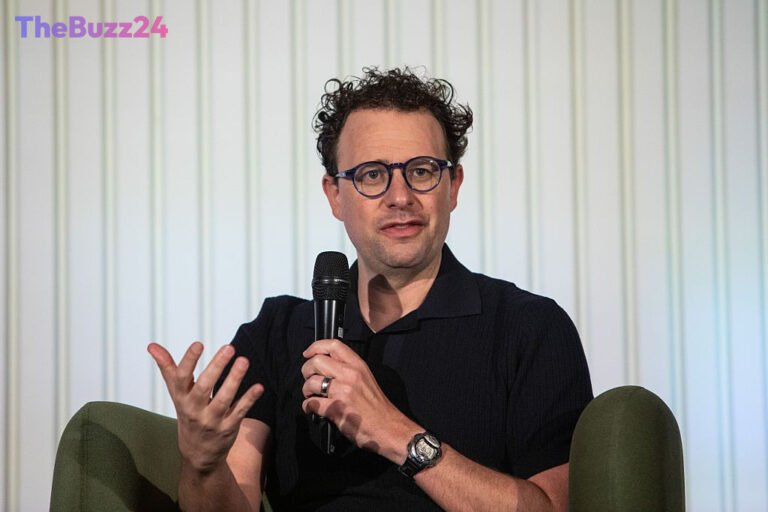
The $500 Million Shortcut: How Sabertooth Capital is Disrupting Traditional Venture Funding
In a strategic departure from the traditional venture capital model, Justin Ernest has successfully deployed nearly $500 million into high-growth startups over the past year without the overhead of a formal fund. By leveraging his deep industry connections and technical expertise, Ernest founded Sabertooth Capital to bridge the gap between family offices and elite, late-stage AI and deep-tech companies that are often inaccessible to smaller institutional investors.
Instead of navigating the lengthy 12-to-18-month process required to launch a traditional VC fund, Ernest utilizes special purpose vehicles (SPVs) and nominee structures to facilitate direct equity investments. This approach allows his firm to secure significant allocations in high-profile companies such as Anthropic, Anduril, Databricks, PsiQuantum, and SpaceX. By treating each investment as a standalone entity, Sabertooth provides its limited partners with direct exposure to specific, vetted funding rounds, with check sizes ranging from $10 million to $275 million.
The firm’s rapid growth is largely attributed to Ernest’s reputation for legitimacy in a sector often plagued by opaque intermediaries. By maintaining direct relationships with company leadership and ensuring that all investments are officially sanctioned, Sabertooth has become a preferred gateway for family offices seeking entry into the most competitive cap tables in Silicon Valley. This validation has proven critical as major startups increasingly crack down on unauthorized secondary market activity.
Looking ahead, Ernest views this current strategy as a foundational step toward eventually launching a traditional venture fund. With early successes, including a significant return from the chipmaker Groq, and highly anticipated liquidity events on the horizon for companies like SpaceX and Anthropic, Sabertooth is building a robust track record. For now, the firm remains focused on its agile, deal-by-deal model, which Ernest believes captures the best investment opportunities of the current market cycle.
Key Takeaways
- Sabertooth Capital has deployed $500 million into 10 major startups by using SPVs instead of a traditional venture fund structure.
- The firm focuses on providing family offices and smaller institutional investors access to exclusive, late-stage funding rounds for companies like SpaceX and Anthropic.
- Justin Ernest is using this deal-by-deal model to build a proven track record, with the long-term goal of launching a traditional, large-scale venture capital fund.
Editor’s Analysis & Impact
The rise of Sabertooth Capital highlights a growing trend in private equity where agility and network-driven access are challenging the dominance of traditional VC firms. By bypassing the rigid structure of a standard fund, Ernest has successfully tapped into the latent demand from family offices that are eager for high-growth tech exposure but lack the institutional status to secure direct allocations. This model effectively democratizes access to ‘unicorn’ cap tables while mitigating the risks associated with unauthorized secondary market vehicles. If Sabertooth continues to deliver outsized returns through these SPVs, it could force a shift in how emerging managers approach fundraising, potentially leading to a more fragmented but highly efficient landscape for late-stage private equity. The ultimate test will be whether this deal-by-deal momentum can be successfully translated into the institutional stability required for a traditional, long-term venture fund.
Frequently Asked Questions
Q: How does Sabertooth Capital differ from a traditional venture capital fund?
A: Unlike a traditional fund that pools capital for a broad portfolio over several years, Sabertooth Capital uses special purpose vehicles (SPVs) to raise capital for specific, individual company investments on a deal-by-deal basis.
Q: Why do startups prefer working with firms like Sabertooth Capital?
A: Startups prefer these arrangements because they are vetted, official participants in funding rounds. This provides companies with reliable capital from reputable investors while avoiding the complications of unauthorized or 'fly-by-night' secondary market participants.
AI Disclosure: This article is based on verified data and official reports. Our Team and AI have cross-referenced every financial detail with primary sources to ensure total accuracy.
More from this Category