The HALO Trade: Why Wealthy Investors Are Shunning AI for Heavy Assets and Fisheries
While the global market remains fixated on artificial intelligence and high-tech startups, a quiet counter-revolution is taking place among elite family offices and long-term investors. Wealthy investment firms are increasingly allocating capital toward “old economy” sectors—such as commercial fisheries, agricultural dealerships, and physical infrastructure. This strategy, often referred to on Wall Street as the “HALO” (heavy assets, low obsolescence) trade, prioritizes predictable cash flows and physical resilience over speculative tech valuations.
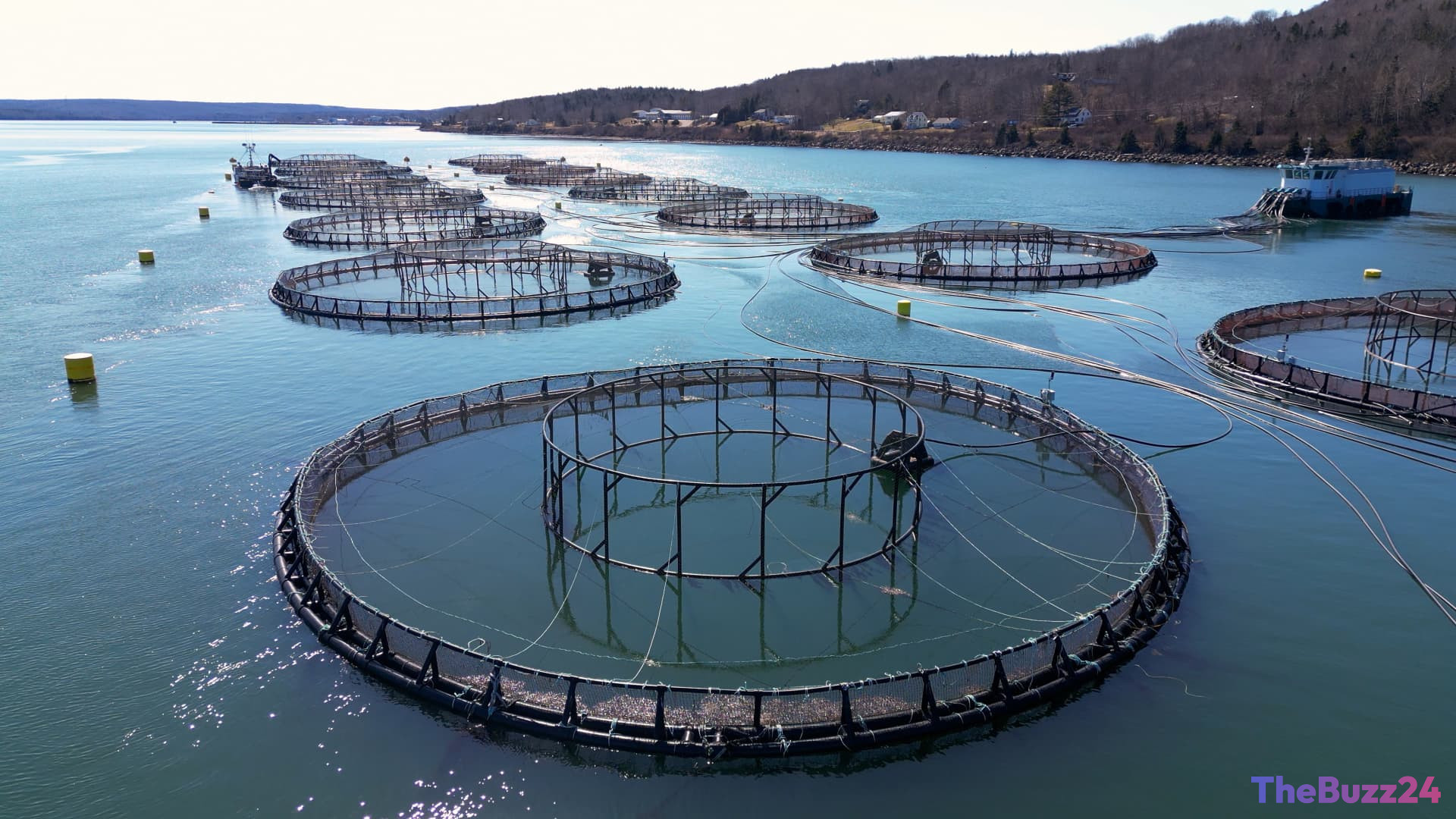
Equity Group Investments (EGI), the private investment firm established by the late billionaire Sam Zell, is a prime example of this defensive investment philosophy. EGI’s current portfolio features highly tangible, disruption-resistant assets, including a John Deere dealership, a bluefin tuna fishery, and a cross-border pedestrian bridge connecting San Diego to Tijuana. According to EGI President Mark Sotir, the firm targets industries with guaranteed longevity, allowing them to maintain investment horizons of 10 to 12 years. This long-term approach stands in stark contrast to the rapid, high-risk cycles associated with early-stage technology ventures.
These asset-heavy businesses offer unique structural advantages that deter traditional private equity firms, which typically demand quicker exits within three to seven years. This lack of competition allows family offices to acquire valuable operations at more reasonable valuations. Furthermore, favorable tax policies, such as bonus depreciation rules, allow these firms to write off the full cost of heavy machinery and vehicles in the first year. This provides a powerful tax shield, particularly beneficial for families looking to offset gains from highly appreciated stock portfolios.
Beyond tax incentives, old-economy businesses possess formidable competitive moats. Dealerships, for instance, generate highly resilient, high-margin revenue from their parts and service departments, which consumers require regardless of economic downturns. Additionally, strict regulatory quotas in commercial fishing and exclusive regional franchise agreements for heavy equipment brands like John Deere or Kenworth create natural barriers to entry. By patiently deploying capital into these stable, high-barrier sectors, long-term investors are turning market volatility and technological uncertainty into a distinct competitive advantage.
Key Takeaways
- Wealthy family offices are increasingly adopting the 'HALO' (heavy assets, low obsolescence) investment strategy to hedge against rapid AI disruption.
- Tangible businesses like dealerships and fisheries offer long-term stability, high-margin service revenues, and significant regulatory or geographic barriers to entry.
- Favorable tax provisions, such as bonus depreciation, enhance the financial appeal of heavy-asset investments by allowing immediate write-offs.
Editor’s Analysis & Impact
The shift toward the ‘HALO’ trade highlights a growing divergence in modern asset management. While venture capital and retail investors chase the exponential growth promises of artificial intelligence, institutional family offices are prioritizing capital preservation and cash-flow predictability. This trend underscores a deeper anxiety regarding the longevity of software-based business models in an era where AI can rapidly commoditize code and digital services. By investing in physical infrastructure, heavy machinery, and regulated natural resources, these firms are building portfolios that are fundamentally immune to digital disruption. In the long run, this strategy not only secures steady yields but also positions these family offices to acquire undervalued, essential businesses while traditional private equity remains distracted by high-multiple tech investments. Expect this defensive rotation to intensify if tech valuations face a correction.
Frequently Asked Questions
Q: What is the 'HALO' trade in investing?
A: The 'HALO' trade stands for 'heavy assets, low obsolescence.' It refers to an investment strategy focused on physical, tangible businesses—like dealerships, infrastructure, and agriculture—that are highly resistant to technological disruption and offer predictable cash flows.
Q: Why do family offices prefer these assets over traditional private equity firms?
A: Family offices typically operate on much longer investment horizons (10 to 12 years or more) compared to traditional private equity firms, which usually seek exits within three to seven years. This allows family offices to invest in slower-growing, highly stable businesses without the pressure of quick liquidation.
Q: How do tax policies like bonus depreciation benefit these investments?
A: Bonus depreciation allows businesses to deduct the full cost of qualifying tangible assets, such as heavy machinery or commercial vehicles, in the first year of purchase. This creates substantial tax write-offs that investors can use to offset gains from other parts of their portfolios.
AI Disclosure: This article is based on verified data and official reports. Our Team and AI have cross-referenced every financial detail with primary sources to ensure total accuracy.
More from this Category