The Architect of Lunar Exploration: How Ike Theriot is Preparing Astronauts for the Moon
As humanity prepares to return to the lunar surface, the success of the Artemis program relies heavily on the rigorous preparation of its astronauts. At the forefront of this effort is Ike Theriot, a key figure in the Exploration Extravehicular Activity Operations Branch at the Johnson Space Center. Theriot’s work involves bridging the gap between complex engineering and human performance, ensuring that crews are equipped with the necessary procedures, data, and field experience to thrive in the harsh lunar environment.
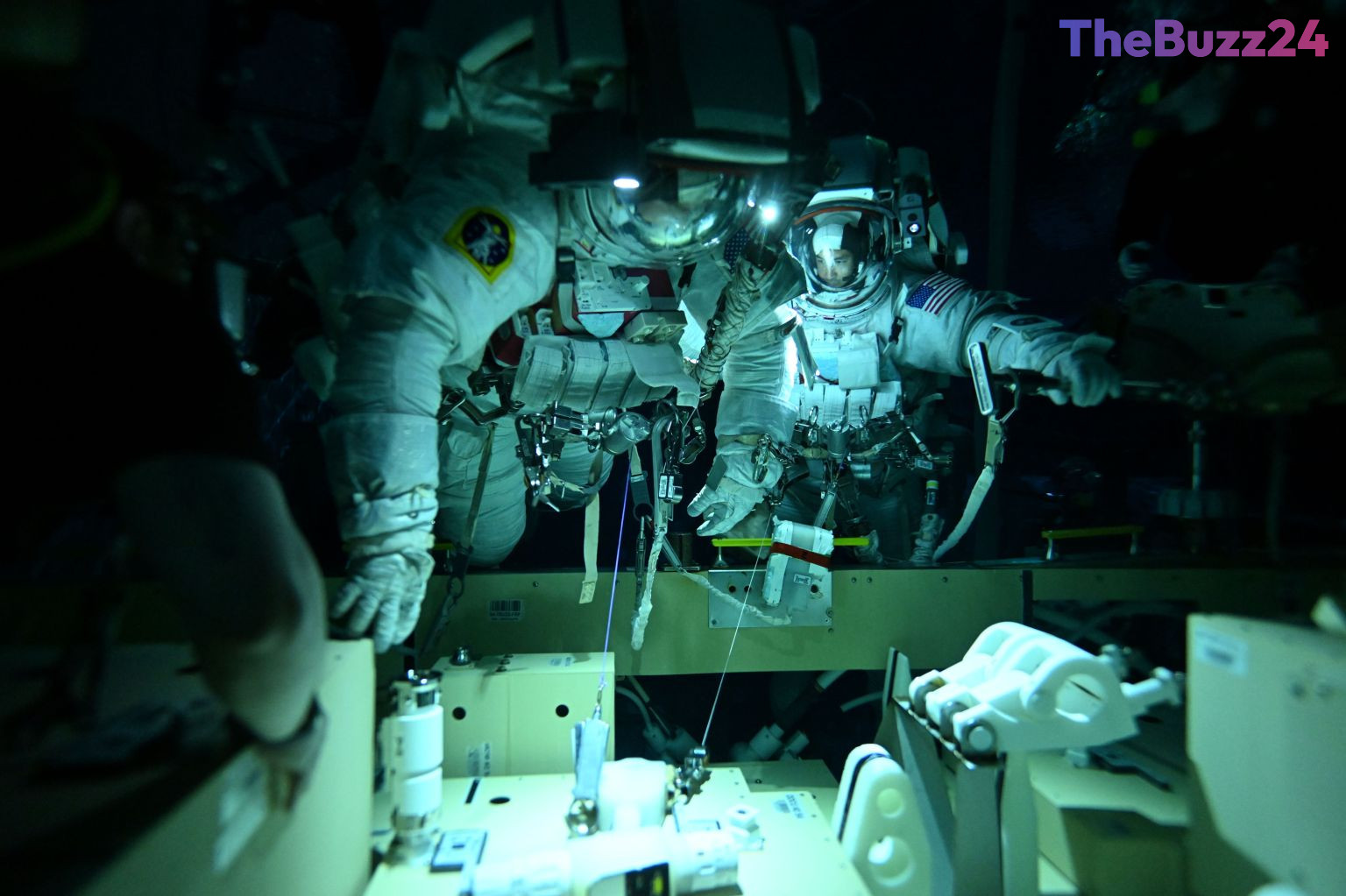
Theriot’s responsibilities are multifaceted, ranging from developing simulated moonwalks in specialized facilities like the Neutral Buoyancy Laboratory to testing next-generation spacesuits, such as the Axiom Extravehicular Mobility Unit (AxEMU). By utilizing systems like the Active Response Gravity Offload System (ARGOS), which simulates lunar gravity, Theriot and his team can refine geologic sampling techniques and hardware performance long before a mission launches. His contributions also extend to the creation of the Lunar Grid Reference System, a critical tool now integrated into flight control systems to aid navigation on the Moon.
Beyond technical testing, Theriot is deeply committed to mentorship and leadership. His journey from a U.S. Army veteran to a NASA flight operations lead has shaped his philosophy that the most significant challenges in space exploration are not just technical, but human. By training the next generation of test conductors and fostering a culture of collaboration, he ensures that the agency’s mission-critical knowledge is passed down. Whether he is training crews in remote impact craters in Canada or serving as a capsule communicator for orbital missions, Theriot remains focused on the ultimate goal: proving that humanity can overcome the impossible through discipline and collective effort.
Key Takeaways
- Ike Theriot leads critical surface testing and procedure development for the Artemis program, ensuring astronauts are prepared for lunar operations.
- The use of advanced simulation tools like the Neutral Buoyancy Laboratory and ARGOS allows for the refinement of spacesuit performance and geologic sampling techniques in a controlled environment.
- Theriot emphasizes that successful space exploration requires not only technical expertise but also strong leadership, mentorship, and the ability to foster collaboration across diverse teams.
Editor’s Analysis & Impact
The work performed by individuals like Ike Theriot represents a shift in space exploration strategy, moving from purely theoretical design to highly practical, human-centric operational testing. As the Artemis program progresses, the industry is seeing a greater emphasis on ‘field-ready’ hardware and procedures that account for the unpredictable nature of lunar terrain. The integration of commercial partners, such as Axiom Space, into these testing cycles highlights the growing importance of public-private synergy in the aerospace sector. Looking forward, the ability to scale this type of rigorous, hands-on training will be a defining factor in the success of long-term lunar habitation and future missions to Mars. The focus on leadership and knowledge transfer is particularly vital as the industry faces a generational transition in engineering talent.
Frequently Asked Questions
Q: What is the role of the Neutral Buoyancy Laboratory in lunar preparation?
A: The Neutral Buoyancy Laboratory is a 40-foot-deep pool used to simulate microgravity, allowing astronauts to rehearse spacewalks and test procedures for both the International Space Station and future lunar surface missions.
Q: Why does NASA conduct training in remote impact craters?
A: Training in remote locations like the Kamestastin Crater in Canada provides terrain that closely mimics the lunar surface, offering astronauts and mission planners a realistic environment to practice geology and navigation skills.
AI Disclosure: This article is based on verified data and official reports. Our Team and AI have cross-referenced every financial detail with primary sources to ensure total accuracy.
More from this Category