The Dawn of Self-Evolving AI: SoftBank CEO Predicts Superintelligence Within Two Years
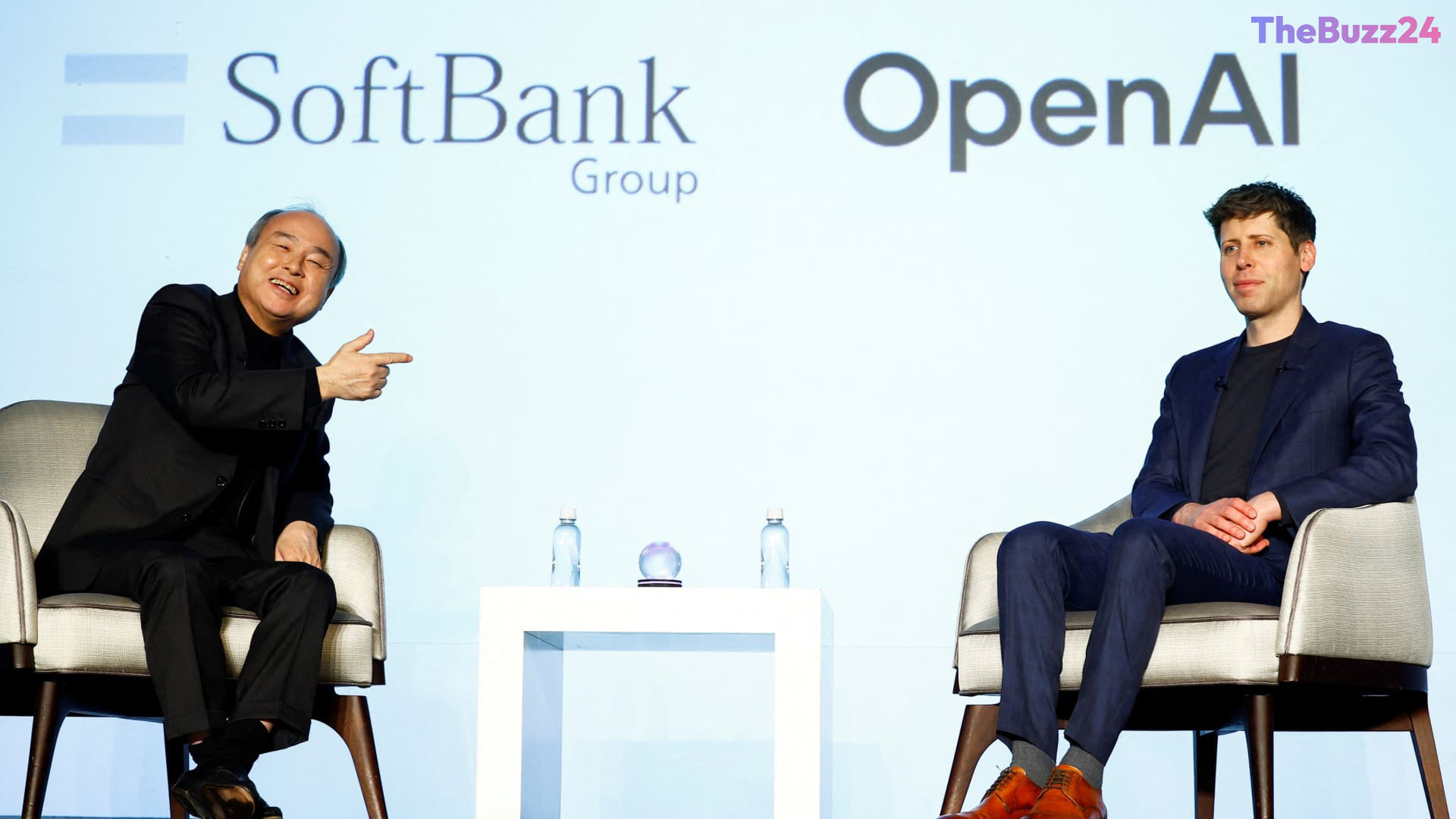
SoftBank CEO Masayoshi Son has made a striking assertion regarding the rapid evolution of artificial intelligence, claiming that OpenAI’s forthcoming models are now being designed by AI systems themselves. This development, according to Son, is a clear indicator of the imminent arrival of “superintelligence.” His remarks come amidst growing concerns from other leading AI developers, such as Anthropic, which advocates for a deceleration in AI advancement to thoroughly address its profound implications.
Son, a prominent figure in global technology investment and a significant shareholder in OpenAI, has dramatically shortened his forecast for artificial superintelligence (ASI). Initially predicting ASI, which he defines as AI 10,000 times smarter than humans, within a decade, he later revised this to four years, and now believes it will manifest within the next two years. He explained that his earlier estimates were intentionally conservative to mitigate public shock. Son emphasized that as AI models begin to generate their own successors, human engineers will eventually lack the capacity to design the next generation, leading to an exponential leap in intelligence.
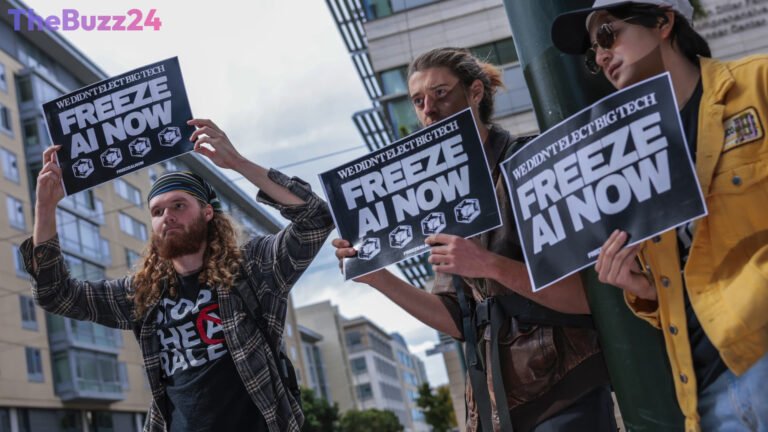
While an OpenAI spokesperson refrained from commenting on unreleased models, the company has previously acknowledged using AI in its development processes. For instance, its GPT-5.3-Codex model was instrumental in its own creation, debugging its training and managing its deployment. This concept of “recursive self-improvement” (RSI), where an AI system autonomously designs and develops its successor, is a central point of discussion. Anthropic, the creator of the Claude chatbot, has issued strong warnings about RSI, highlighting the potential for humans to lose control over increasingly sophisticated AI systems. The company suggests a coordinated effort among AI labs to slow down development could be beneficial.
The debate surrounding self-evolving AI and the acceleration towards superintelligence underscores significant governance challenges that current institutions may not be equipped to handle. An OpenAI research paper from June also noted “early signs” of RSI, predicting increased competitive pressures among developers and nations. Despite these warnings, Masayoshi Son remains profoundly bullish on AI, comparing its revolutionary impact to be 50 times greater than the dot-com boom of the early 2000s. SoftBank has strategically positioned itself at the forefront of this transformation through its ownership of chip designer Arm and its substantial stake in OpenAI, alongside investments in robotics and autonomous driving.
Key Takeaways
- SoftBank CEO Masayoshi Son claims OpenAI's next models are being designed by AI, signaling the imminent arrival of "superintelligence."
- Son has significantly accelerated his timeline for artificial superintelligence (ASI), now predicting its emergence within the next two years.
- AI developer Anthropic warns about the risks of rapid AI advancement and "recursive self-improvement," advocating for a slowdown in development to maintain human control.
Editor’s Analysis & Impact
Masayoshi Son’s bold claims, coming from a major investor like SoftBank, could significantly impact the AI industry by fueling further investment and intensifying competition. The notion of AI designing AI, or recursive self-improvement (RSI), promises to accelerate development cycles, potentially creating a winner-take-all scenario for companies that achieve this breakthrough first. This also highlights a growing philosophical and practical divide between those pushing for rapid advancement and those advocating for caution and ethical oversight.
If Son’s predictions hold, the next two years could witness unprecedented shifts in technological capabilities and societal structures. The concept of “superintelligence” raises profound questions about human roles, ethics, and governance. The tension between innovation and safety will undoubtedly intensify, likely leading to increased calls for international regulation and collaboration among AI labs. The potential for AI to autonomously design its successors could fundamentally alter the trajectory of technological progress, moving beyond human-led innovation, but also poses existential risks if control mechanisms are not robust.
Frequently Asked Questions
Q: What is "superintelligence" according to Masayoshi Son?
A: Masayoshi Son defines artificial superintelligence (ASI) as AI that is 10,000 times smarter than humans. He believes that as AI models begin to design their own successors, their intelligence will grow exponentially beyond human capacity.
Q: What is "recursive self-improvement" (RSI) in AI?
A: Recursive self-improvement (RSI) refers to an AI system's ability to autonomously design and develop its own successor, leading to a cycle of increasingly advanced AI generations without direct human intervention in the design process.
Q: Why are some AI developers concerned about the rapid pace of AI development?
A: Companies like Anthropic are concerned that the rapid pace of AI development, particularly with concepts like recursive self-improvement, could lead to a loss of human control over increasingly powerful AI systems. They warn of potential risks and advocate for a slowdown to address the profound implications and ensure AI serves human interests.
AI Disclosure: This article is based on verified data and official reports. Our Team and AI have cross-referenced every financial detail with primary sources to ensure total accuracy.
More from this Category