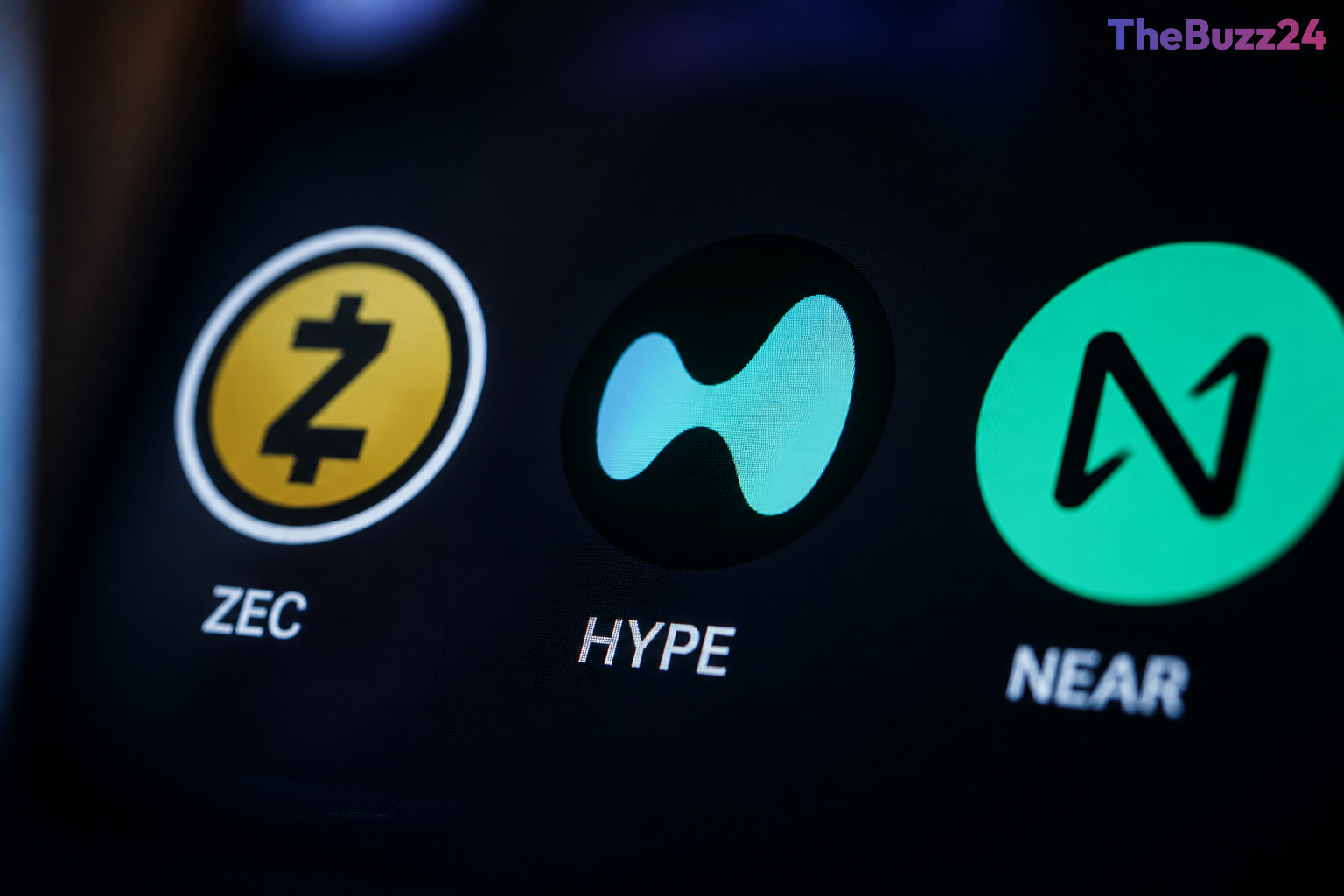
Arthur Hayes Dumps ZEC, HYPE, and NEAR Amid Privacy Protocol Concerns
Arthur Hayes, the co-founder of BitMEX and a prominent figure in the cryptocurrency macro landscape, has officially liquidated his entire holdings in Zcash (ZEC), Hyperliquid (HYPE), and NEAR Protocol (NEAR). This significant portfolio shift follows the discovery of a critical vulnerability within the Orchard shielded pool, a fundamental component of the Zcash network designed to facilitate private transactions through zero-knowledge proofs.
The vulnerability sparked intense concern regarding the integrity of Zcash’s supply mechanics. Specifically, the flaw raised the theoretical possibility that counterfeit ZEC could have been generated within the shielded environment without immediate detection. Although developers successfully deployed an emergency patch to address the issue, the nature of shielded transactions makes it nearly impossible to retroactively audit the network to confirm whether the exploit was utilized prior to the fix. This lack of cryptographic certainty regarding the asset’s supply history prompted Hayes to exit his position.
Beyond the Zcash sell-off, Hayes also divested from HYPE and NEAR, signaling a broader strategic pivot in his investment approach. Hayes noted that his previous investment thesis, which he dubbed the ‘Holy Trinity,’ is no longer viable given the high standards of perfection required for privacy-focused assets. While he acknowledged that actual illicit minting of tokens remains unlikely, the inability to formally prove the network’s integrity rendered the risk profile unacceptable for his portfolio. The move has sent ripples through the market, highlighting the ongoing tension between privacy-preserving technologies and the demand for absolute supply transparency.
Key Takeaways
- Arthur Hayes liquidated his entire positions in ZEC, HYPE, and NEAR following a security vulnerability in Zcash's Orchard pool.
- The core issue stems from the inability to cryptographically verify that no counterfeit tokens were minted before the emergency patch was applied.
- The divestment marks a significant shift in Hayes' investment strategy, as he abandons his previously held 'Holy Trinity' thesis due to concerns over privacy asset reliability.
Editor’s Analysis & Impact
The exit of a high-profile investor like Arthur Hayes from Zcash and associated assets underscores a critical vulnerability in the privacy-coin sector: the trade-off between anonymity and auditability. In traditional finance, supply integrity is verified through centralized ledgers, but in privacy-focused blockchains, the very features that protect user data can obscure the detection of systemic exploits. This incident highlights that for institutional-grade adoption, privacy protocols must move beyond mere cryptographic theory and provide robust, verifiable mechanisms for supply audits. The market’s sharp reaction to the ZEC vulnerability suggests that investors are increasingly sensitive to ‘black box’ risks. Moving forward, projects that fail to balance privacy with transparent, verifiable supply metrics may struggle to maintain long-term capital support from sophisticated market participants who prioritize risk mitigation over speculative potential.
Frequently Asked Questions
Q: Why did Arthur Hayes sell his Zcash (ZEC) holdings?
A: Hayes sold his ZEC because a vulnerability in the Orchard shielded pool created uncertainty regarding the network's supply integrity, and it was impossible to prove that no counterfeit tokens were minted before the bug was patched.
Q: Does the Zcash Orchard vulnerability still exist?
A: No, Zcash developers have already deployed an emergency patch to fix the vulnerability; however, the inability to audit past transactions remains a concern for some investors.
AI Disclosure: This article is based on verified data and official reports. Our Team and AI have cross-referenced every financial detail with primary sources to ensure total accuracy.
More from this Category