High-Stakes Diplomacy: U.S. and Iran Meet in Islamabad to Address Regional Instability
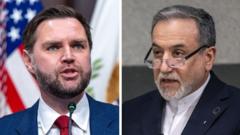
A critical round of diplomatic negotiations is underway in Islamabad as representatives from the United States and Iran gather to address a series of escalating regional crises. Led by Vice President JD Vance, the American delegation has arrived with a mandate to pursue good-faith dialogue while maintaining a strict posture against any potential diplomatic bad faith. Pakistan is facilitating the summit, offering a neutral venue in hopes of fostering a stable environment for the two nations to navigate their complex and often hostile relationship.
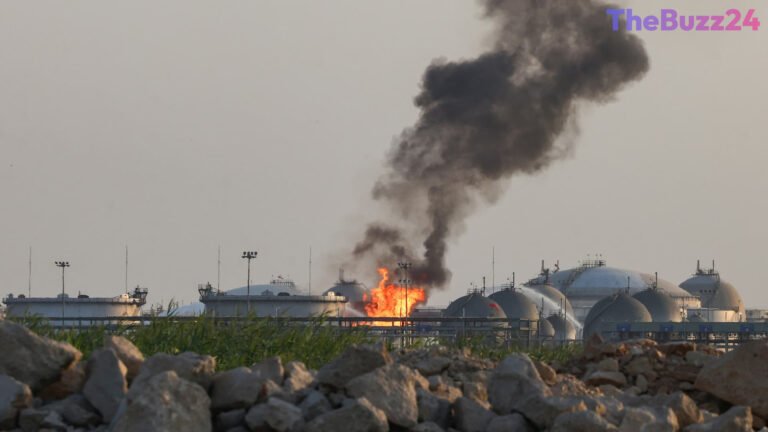
The agenda for the summit is dominated by urgent security concerns, particularly the ongoing military hostilities in Lebanon involving Israel and Hezbollah. Iranian officials have signaled that the continuation of these operations could undermine the progress of the talks. Additionally, the security of the Strait of Hormuz has emerged as a primary point of contention, with disputes over commercial vessel transit and maritime rights threatening to escalate into a direct military confrontation between the two powers.
At the heart of the impasse remains the long-standing nuclear standoff. While the United States continues to pressure Iran to halt its uranium enrichment activities, Tehran maintains that its program is a civilian right. These tensions are further complicated by Iran’s insistence on the lifting of international sanctions and the release of frozen assets. As both nations hold entrenched positions, the outcome of the Islamabad summit will likely depend on whether either side is prepared to offer the concessions necessary to prevent further regional instability.
Key Takeaways
- Vice President JD Vance is leading the U.S. delegation in Islamabad for high-level talks with Iranian officials.
- The summit focuses on critical regional flashpoints, including the conflict in Lebanon, maritime security in the Strait of Hormuz, and the nuclear enrichment dispute.
- Iran is conditioning progress on the removal of international sanctions and the release of frozen financial assets.
Editor’s Analysis & Impact
The Islamabad summit serves as a litmus test for the current state of U.S.-Iran relations, which remain characterized by deep-seated mutual distrust. By placing maritime security and the Lebanon conflict alongside the nuclear issue, the negotiators are attempting to manage immediate tactical threats while addressing long-term strategic proliferation concerns. However, the structural divide is significant; the U.S. is unlikely to offer meaningful sanctions relief without verifiable nuclear transparency, while Iran views its regional influence and nuclear capabilities as essential leverage. The outlook remains cautious, as the parties are currently far apart on core demands. Success will likely require a shift toward incremental, compartmentalized progress rather than a comprehensive breakthrough, as a failure to reach a preliminary understanding could exacerbate regional volatility and increase the risk of maritime friction.
Frequently Asked Questions
Q: Why is Pakistan hosting the talks between the U.S. and Iran?
A: Pakistan is acting as a neutral intermediary, providing a secure and impartial setting to facilitate dialogue between the two nations.
Q: What are the core issues currently being addressed in the Islamabad negotiations?
A: The primary topics include the ongoing conflict in Lebanon, maritime security concerns in the Strait of Hormuz, and the long-standing dispute regarding Iran's nuclear enrichment program and international sanctions.
AI Disclosure: This article is based on verified data and official reports. Our Team and AI have cross-referenced every financial detail with primary sources to ensure total accuracy.
More from this Category