The Great Un-Fizzing: Why Still Drinks Are Dominating the Modern Beverage Market
The global beverage industry is undergoing a fundamental transformation as consumer preferences shift decisively away from carbonated products toward still alternatives. While the market was previously dominated by the rise of sparkling waters and hard seltzers, a new wave of demand for non-carbonated options is currently reshaping retail shelves. This transition is particularly pronounced among younger consumers, including Generation Z, who are increasingly prioritizing wellness, functional health benefits, and the avoidance of physical discomforts like bloating often associated with carbonation.
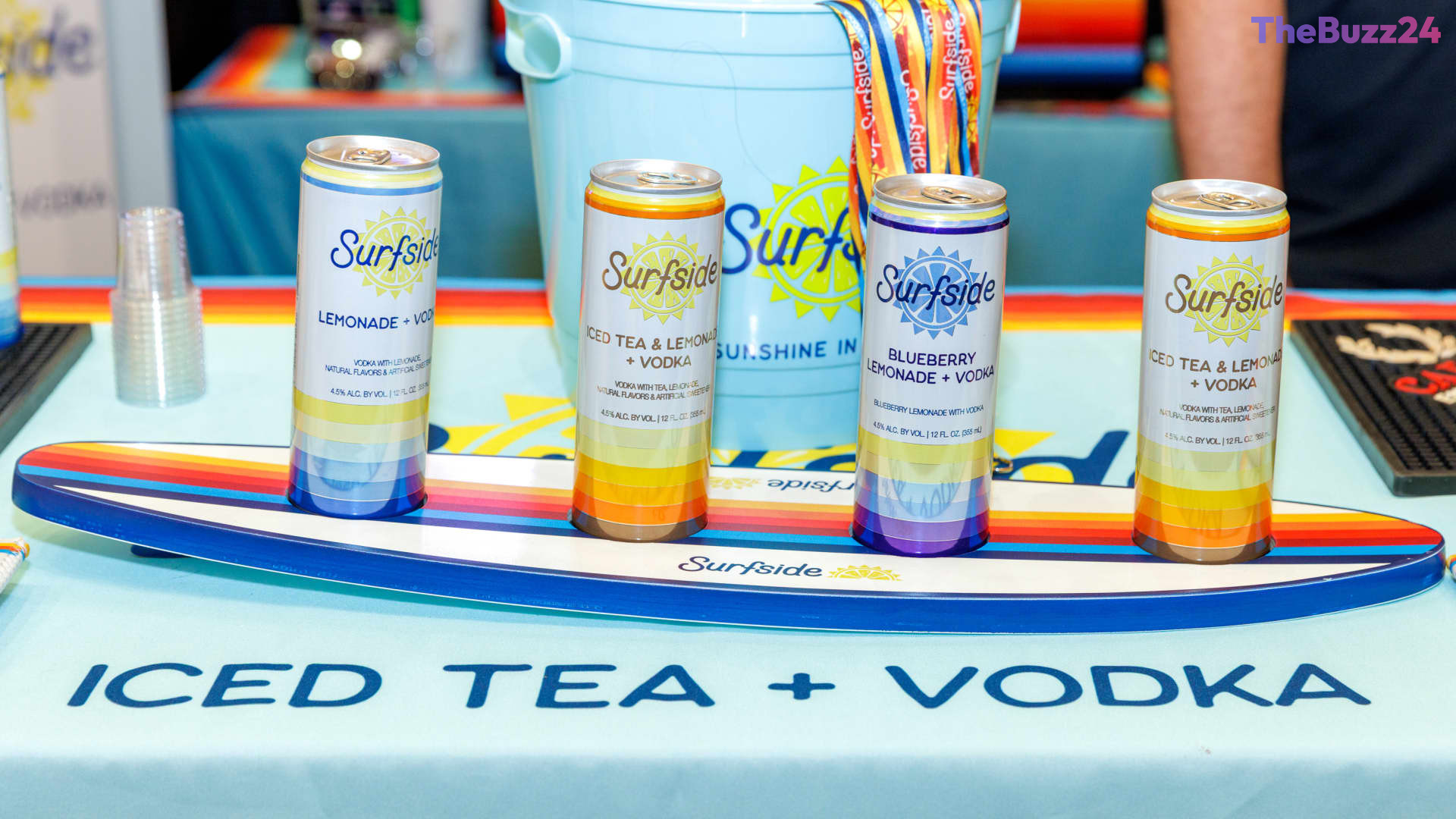
In the alcoholic beverage sector, brands such as Surfside and BeatBox are successfully capturing market share by offering ready-to-drink, non-carbonated cocktails. These products provide a smoother, more palatable experience that mimics the profiles of iced teas or sports drinks, making them more versatile for consumption alongside meals. Market data suggests that these younger demographics are less tethered to legacy brand loyalty, showing a greater willingness to experiment with these ‘fizz-free’ alternatives that offer a more refined sensory experience.
Major non-alcoholic beverage manufacturers are also recalibrating their portfolios to capitalize on this movement. Energy drink producers are aggressively expanding their still product lines, focusing on functional ingredients that deliver energy without the sharp, acidic sensation of carbon dioxide. By emphasizing the ‘sensory softness’ of these beverages, companies are successfully reaching a consumer base that values hydration and ease of consumption over the traditional effervescent bite.
Furthermore, advancements in packaging have played a critical role in this market evolution. The widespread adoption of aluminum cans for still beverages—a format once reserved for sodas and beers—has normalized the consumption of non-carbonated drinks in convenient, sustainable packaging. As the industry continues to prioritize ‘drinkability’ and straightforward hydration, the move away from carbonation appears to be a long-term structural shift rather than a temporary trend, signaling a new era for beverage innovation.
Key Takeaways
- Consumer demand is pivoting toward non-carbonated beverages due to a focus on wellness and the avoidance of bloating.
- Both alcoholic and non-alcoholic brands are expanding their still product lines to cater to younger demographics who prefer smoother, more functional drinks.
- The normalization of aluminum cans for still beverages has been a key driver in making non-carbonated drinks more accessible and convenient for consumers.
Editor’s Analysis & Impact
The ‘great un-fizzing’ represents a significant market recalibration, driven by evolving consumer priorities around wellness and comfort. This trend impacts not only product development but also marketing strategies, as brands pivot to highlight ‘smoothness’ and ‘drinkability.’ The success of non-carbonated options in traditional canned formats signals a broader acceptance of innovation in beverage packaging. Companies that can effectively tap into the demand for functional, easy-to-drink, and less bloating alternatives are poised for substantial growth, potentially reshaping category leadership and challenging long-standing beverage norms. As the market matures, we expect to see a decline in the dominance of carbonated soft drinks, with manufacturers forced to innovate within the still category to maintain relevance among health-conscious consumers.
Frequently Asked Questions
Q: Why are younger consumers moving away from carbonated drinks?
A: Younger consumers, particularly Generation Z, are increasingly prioritizing wellness and seeking to avoid the bloating and discomfort often associated with carbonation. They are also more open to experimenting with new beverage types that align with a healthier lifestyle.
Q: How have beverage companies adapted to this trend?
A: Companies are expanding their lines of non-carbonated energy drinks, ready-to-drink cocktails, and still waters. They are also emphasizing the smooth, refreshing qualities of these beverages and utilizing innovative packaging, such as aluminum cans, to appeal to consumers.
Q: Is this trend limited to non-alcoholic beverages?
A: No, the trend extends to the alcoholic beverage market as well. Brands offering non-carbonated, ready-to-drink cocktails are gaining popularity as alternatives to traditional hard seltzers.
AI Disclosure: This article is based on verified data and official reports. Our Team and AI have cross-referenced every financial detail with primary sources to ensure total accuracy.
More from this Category