The Hidden Cost of Hope: How Student Loan Forgiveness Promises Backfired on Borrowers
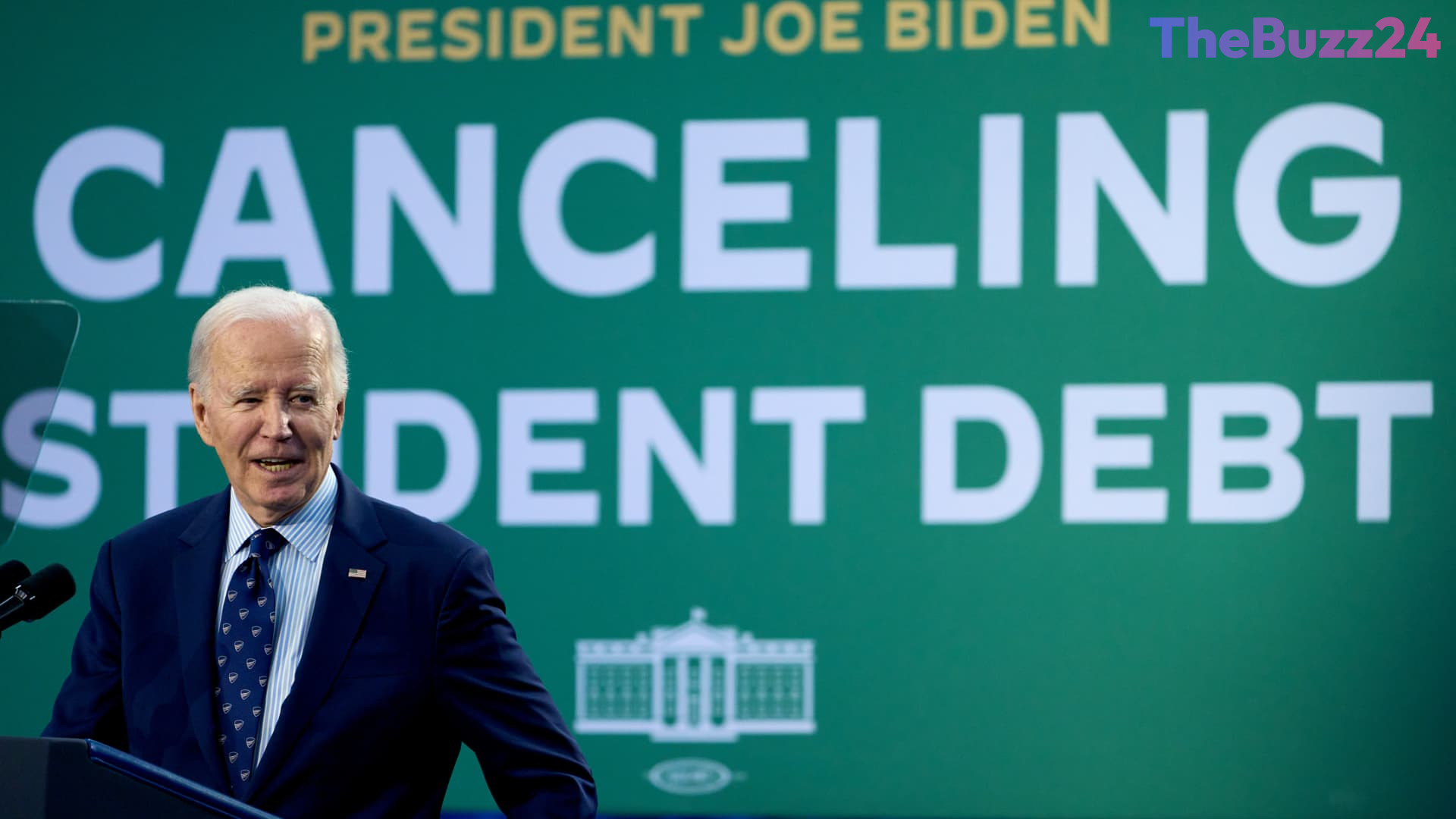
New research reveals that the high expectations surrounding federal student loan forgiveness initiatives during the Biden administration led millions of borrowers to make detrimental financial decisions. Driven by optimism that their debt would be erased, many individuals reduced their monthly payments, delayed debt repayment, or shifted their spending toward non-essential consumer goods. This reliance on anticipated policy changes ultimately left many in a more precarious financial position when those promises failed to materialize.
According to a study by researchers from the University of Chicago, Purdue University, and the University of Cambridge, borrowers who believed they were likely to receive forgiveness were 30% less likely to make consistent monthly payments. By opting for longer repayment terms or pausing payments in anticipation of relief, these borrowers incurred significant long-term costs. When the Supreme Court struck down the initial forgiveness plan in 2023, many of these individuals found themselves with higher balances and, in some cases, were 7.5% more likely to be 90 days past due on their obligations.
The financial fallout was compounded by the timing of these policy shifts. As borrowers waited for relief that never arrived, they often delayed major life purchases like homes or vehicles. During this period of uncertainty, inflation drove the prices of these assets significantly higher, meaning that those who waited to buy ended up facing much steeper costs. Experts note that the confusion was exacerbated by official communications, including notifications sent to millions of borrowers suggesting their loans were approved for relief even as the programs faced legal hurdles.
Ultimately, the study serves as a cautionary tale regarding the intersection of political rhetoric and personal finance. As student loan policies remain a point of intense partisan debate and legal volatility, financial experts warn that consumers should treat proposed government relief programs as speculative rather than guaranteed. Relying on political promises for long-term budget planning has resulted in real-world welfare losses for millions, leaving many to navigate a ‘perfect storm’ of rising living costs and unexpected debt burdens.
Key Takeaways
- Borrowers who anticipated loan forgiveness were 30% less likely to make monthly payments, leading to increased long-term debt and delinquency rates.
- Delaying major purchases like homes and cars while waiting for debt relief proved costly due to significant inflation during the same period.
- Political promises regarding debt relief created a false sense of security, causing many borrowers to mismanage their personal budgets and repayment strategies.
Editor’s Analysis & Impact
The findings of this study highlight a critical disconnect between political campaigning and the practical realities of personal finance. When government policy is used as a tool for political messaging, the resulting uncertainty creates a ‘wait-and-see’ environment that can be economically damaging for the average citizen. The broader implication is that debt management should be treated as a static, contractual obligation rather than a variable dependent on election cycles. As the U.S. political landscape remains highly polarized, the volatility of student loan policy is likely to persist, creating a permanent risk for borrowers who base their financial futures on executive promises. Moving forward, financial literacy programs must emphasize the dangers of ‘policy-dependent’ planning, as the gap between political intent and legal implementation continues to widen.
Frequently Asked Questions
Q: Why did borrowers end up paying more despite expecting forgiveness?
A: Many borrowers chose longer repayment plans or skipped payments to save money in the short term, expecting their debt to be wiped out. When the forgiveness plans were blocked, they were left with higher interest accrual and, in some cases, were forced to pay off larger balances than if they had stayed on their original, more aggressive repayment schedules.
Q: How did inflation impact borrowers who waited for loan relief?
A: Borrowers who delayed major purchases like homes or cars in hopes of having more disposable income after loan forgiveness missed out on lower prices. By the time the uncertainty was resolved, inflation had significantly increased the cost of these assets, leaving borrowers with both their original debt and higher market prices for essential goods.
AI Disclosure: This article is based on verified data and official reports. Our Team and AI have cross-referenced every financial detail with primary sources to ensure total accuracy.
More from this Category