The LeBron Effect: How James’ Move to Philadelphia is Transforming the 76ers’ Economic Landscape
The arrival of LeBron James in Philadelphia has triggered an immediate and profound economic surge for the 76ers, extending well beyond the basketball court. Even before the start of the regular season, the franchise has seen record-breaking interest in merchandise, ticket sales, and corporate sponsorships. Industry analysts project that James’ presence could inject between $250 million and $430 million into the regional economy during his first year with the team, signaling a massive shift in the organization’s financial trajectory.
Corporate interest in the team has reached new heights, highlighted by a landmark jersey patch partnership with Bloom Energy. Valued at over $30 million annually, the deal is among the most lucrative in the NBA, underscoring the immense marketing power James brings to the franchise. This partnership, which includes significant community investment, reflects the broader trend of brands looking to capitalize on the national exposure generated by the 76ers’ high-profile roster.
Ticket demand has reached unprecedented levels, with the 76ers jumping from a middle-of-the-pack draw to the most sought-after team in the league. Secondary market data indicates that ticket sales are moving at a pace eleven times faster than the previous year, with a significant influx of buyers coming from outside the traditional tri-state area. As average ticket prices for home games climb, the team is positioning itself as a premier destination for sports tourism, with the season opener against the New York Knicks commanding record-setting prices.
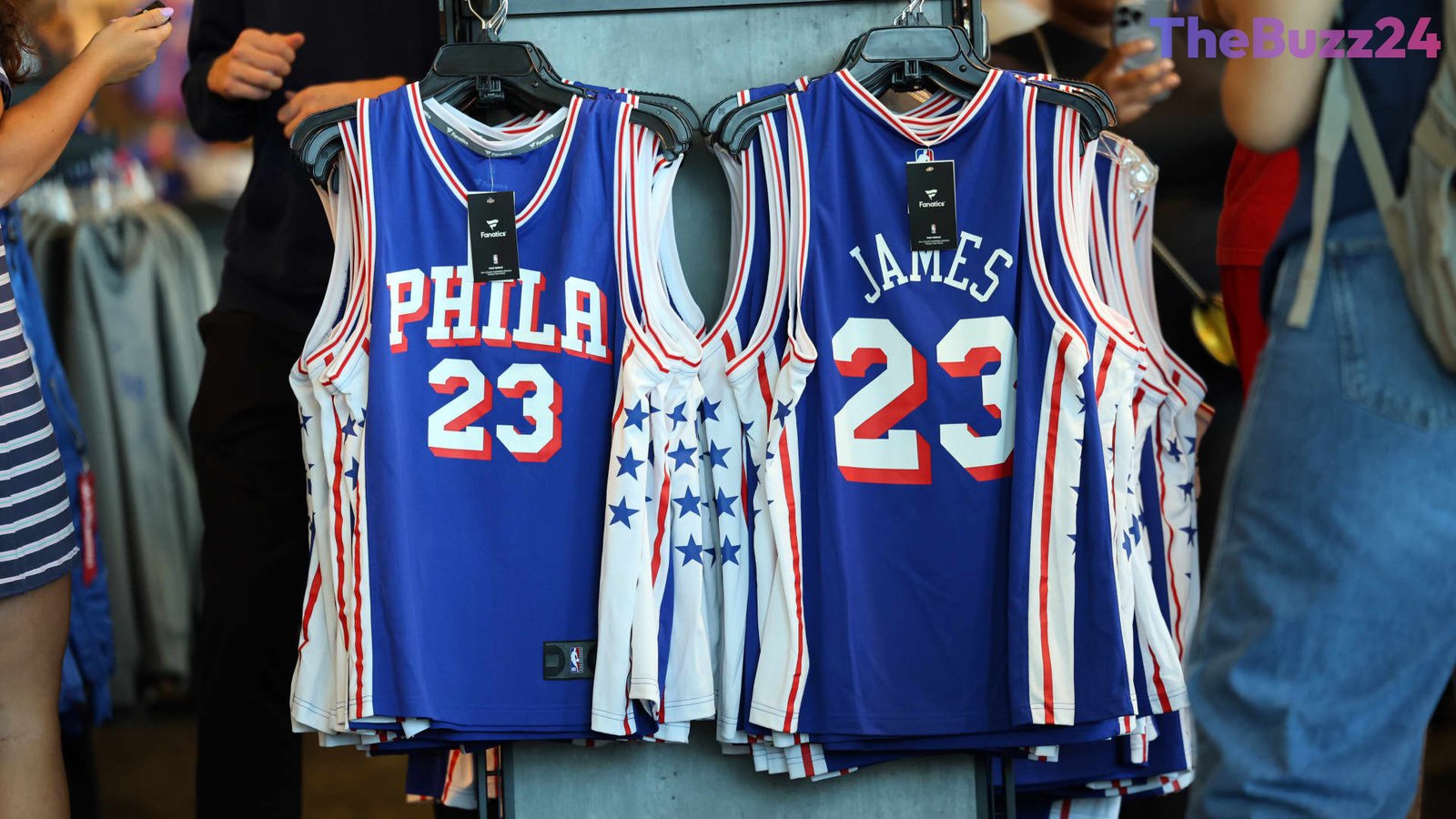
Beyond the numbers, the ‘LeBron effect’ has solidified the 76ers’ status as a top-tier commercial entity. Merchandise sales have shattered previous records, with James becoming the top-selling athlete across the entire Fanatics platform. While the organization remains focused on the long-term goal of securing an NBA championship, the immediate economic impact of James’ arrival has already cemented his status as a transformative force for both the team and the city of Philadelphia.
Key Takeaways
- LeBron James' move to the 76ers is projected to generate up to $430 million in regional economic activity in his first year.
- The 76ers secured a top-tier jersey patch deal with Bloom Energy, valued at over $30 million annually, driven by the 'LeBron effect.'
- Ticket demand has surged, with the 76ers becoming the NBA's top draw and sales volume increasing eleven-fold compared to the previous year.
Editor’s Analysis & Impact
The economic phenomenon surrounding LeBron James’ move to Philadelphia serves as a masterclass in the ‘superstar effect’ within professional sports. By shifting the 76ers from a mid-tier market draw to a national focal point, James has effectively re-rated the franchise’s commercial value. The ripple effects—ranging from increased hospitality and tourism revenue to record-breaking sponsorship valuations—demonstrate how a single athlete can act as a catalyst for regional economic growth. Looking ahead, the sustainability of this growth will depend on the team’s on-court performance; however, the immediate influx of capital and brand visibility provides the 76ers with a significant competitive advantage in terms of operational budget and long-term brand equity. This move sets a new benchmark for how NBA franchises leverage individual star power to maximize corporate partnerships and fan engagement.
Frequently Asked Questions
Q: How much is the new jersey patch deal with Bloom Energy worth?
A: The deal is valued at more than $30 million annually, making it one of the top two most valuable jersey patch sponsorships in the NBA.
Q: What is the projected economic impact of LeBron James joining the 76ers?
A: Consulting firm Boyd Company projects that James' first year with the team could add between $250 million and $430 million in total regional economic activity to the Philadelphia area.
AI Disclosure: This article is based on verified data and official reports. Our Team and AI have cross-referenced every financial detail with primary sources to ensure total accuracy.
More from this Category