Treasury Yields Drive Market Jitters Amid Corporate Acquisitions and AI Speculation
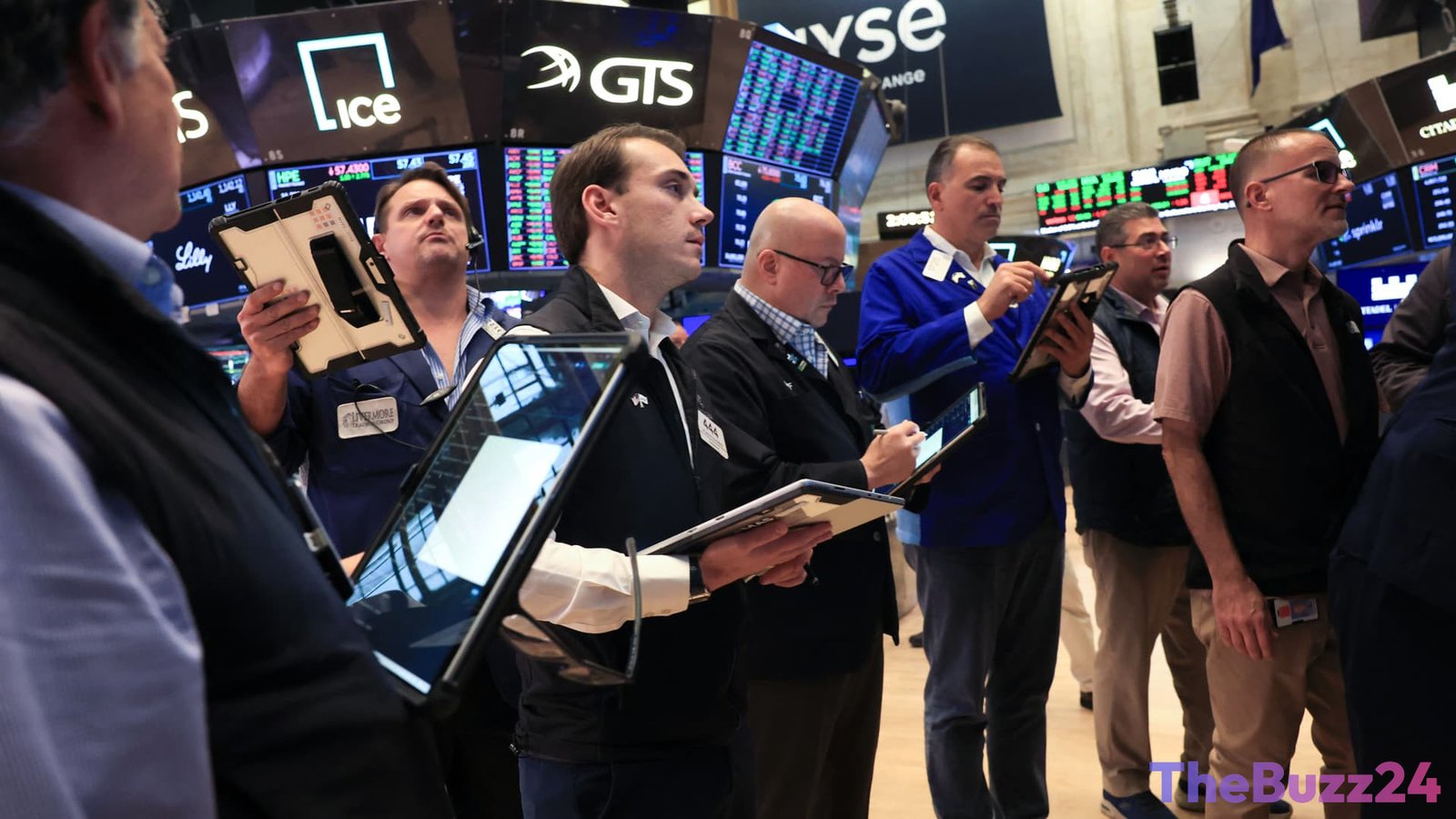
U.S. stock futures showed minimal movement overnight, as investors sought stability following a trading session marked by declines across major indices. The Dow Jones Industrial Average, S&P 500, and Nasdaq Composite all experienced losses during regular trading, primarily driven by the continued ascent of Treasury yields. The benchmark 10-year Treasury note yield surpassed 5.2%, reaching levels not observed since 2007, while the 30-year yield climbed above 5.56%, nearing a 2004 high. This upward trajectory in yields reflects growing investor apprehension regarding persistent inflation and the potential for further interest rate hikes from the Federal Reserve.
Market analysts suggest that despite underlying economic resilience, equity markets are increasingly sensitive to the implications of higher interest rates. Brent Schutte, CIO at Northwestern Mutual Wealth Management, noted that daily fluctuations in rates are significantly influencing overall market performance. He also highlighted that while rising rates present challenges, they simultaneously create more attractive entry points for bond investors than seen in nearly two decades, assuming the Federal Reserve successfully manages inflation. Looking ahead, market participants are keenly awaiting fresh economic indicators, including the September U.S. consumer confidence report and the August jobs opening and labor turnover survey, both scheduled for release on Tuesday, which could further sway Treasury yields.
In corporate news, chipmaking giant AMD announced its acquisition of AI firm World Labs for $8.2 billion. World Labs, founded by AI pioneer Fei-Fei Li, specializes in creating rich, physics-aware digital worlds for training intelligent agents, promising safer deployment into real-world applications. AMD’s shares remained largely stable in after-hours trading following the announcement. Separately, Summit Therapeutics saw a significant boost with the news of a $2 billion investment from pharmaceutical leader AstraZeneca. This investment, based on a common stock price of $18.36 per share, represents an 18% premium over Monday’s closing price. The two companies are also embarking on a clinical trial to assess the combined efficacy of sonesitatug vedotin and ivonescimab in treating specific gastrointestinal cancers.
Meanwhile, renowned investor Michael Burry, known for his “Big Short” fame, has adjusted his bearish outlook on the artificial intelligence boom, signaling an accelerated timeline for a potential market correction. Burry indicated a shift from short positions to more cost-effective put options on key AI stocks, citing a desire for increased leverage over a shorter horizon due to improved timeline expectations. Concurrently, the housing market is feeling the pinch of rising rates, with the average rate on a 30-year fixed mortgage climbing to 4.5%. This increase, influenced by the surging 10-year Treasury yield, marks a significant rise in borrowing costs for homebuyers.
Key Takeaways
- Rising Treasury yields, driven by inflation concerns, are significantly impacting stock market performance and investor sentiment, pushing yields to multi-year highs.
- Major corporate developments include AMD's $8.2 billion acquisition of AI firm World Labs and AstraZeneca's $2 billion investment in Summit Therapeutics for cancer treatment collaboration.
- Investor Michael Burry has accelerated his bearish timeline for the AI market, shifting to put options for increased leverage, while 30-year fixed mortgage rates have risen notably due to higher Treasury yields.
Editor’s Analysis & Impact
The current market landscape is heavily influenced by the trajectory of Treasury yields, reflecting deep-seated concerns about inflation and the Federal Reserve’s monetary policy. The sustained rise in yields signals a potential tightening of financial conditions, which could dampen corporate earnings and consumer spending, despite underlying economic strength. This environment creates a challenging backdrop for equities but simultaneously presents opportunities in fixed-income markets, as highlighted by expert commentary. The strategic M&A activity, such as AMD’s acquisition in the AI sector and AstraZeneca’s investment in biotech, underscores a continued focus on innovation and growth areas, even amidst broader market volatility. Michael Burry’s updated bearish stance on AI, however, suggests a growing apprehension among some investors about the sustainability of current valuations in the tech boom, potentially foreshadowing increased scrutiny and volatility in the sector. The ripple effect of higher yields is also evident in the housing market, with rising mortgage rates posing a significant hurdle for prospective homebuyers and potentially cooling demand.
Frequently Asked Questions
Q: Why are rising Treasury yields negatively impacting the stock market?
A: Rising Treasury yields increase the cost of borrowing for companies and make bonds more attractive compared to stocks, as they offer a higher, safer return. This can lead investors to sell stocks and buy bonds, putting downward pressure on equity prices.
Q: What is the significance of AMD acquiring World Labs?
A: AMD's acquisition of World Labs for $8.2 billion signifies its strategic commitment to expanding its capabilities in artificial intelligence, particularly in the development of advanced AI training environments. This move aims to strengthen AMD's position in the competitive AI chip market.
Q: How do rising Treasury yields affect mortgage rates?
A: Treasury yields, especially the 10-year note, serve as a benchmark for various consumer loans, including fixed-rate mortgages. When Treasury yields rise, lenders typically increase mortgage rates to maintain their profit margins, making home loans more expensive for borrowers.
AI Disclosure: This article is based on verified data and official reports. Our Team and AI have cross-referenced every financial detail with primary sources to ensure total accuracy.
More from this Category