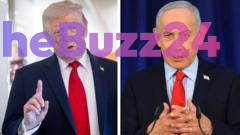
The Middle East Permacrisis: How Miscalculations Led to a Regional Stalemate
The geopolitical landscape of the Middle East is undergoing a profound and unexpected transformation. Rather than the swift regime change envisioned by leadership in Washington and Tel Aviv, the region has descended into a state of attritional, long-term instability. The assumption that the Iranian government would collapse under the weight of military pressure and internal economic strife has proven to be a significant miscalculation, leaving both the United States and Israel struggling to manage the consequences of a conflict that shows no signs of a clear resolution.
Recent escalations, including the downing of a U.S. military helicopter, underscore the resilience of the Iranian regime and its commitment to maintaining strategic leverage, particularly over the Strait of Hormuz. While U.S. leadership seeks a diplomatic exit strategy that can be framed as a victory, the reality on the ground remains volatile. The conflict has effectively linked regional theaters, with Iran leveraging its influence in Lebanon and the Gulf to complicate any potential negotiations regarding its nuclear program or regional security.
For Israel, the strategy of utilizing overwhelming military force to reshape the regional order has faced mounting challenges. Despite initial optimism that the destruction of key proxies and leadership would neutralize threats, the conflict has instead created a ‘permacrisis.’ This state of affairs has not only strained the economies of Gulf nations, which rely on regional stability for investment, but has also created a widening gap between the strategic priorities of the U.S. and its regional allies. As the conflict persists, the prospect of a return to the status quo ante appears increasingly unlikely, forcing global powers to confront a new, more dangerous reality.
Key Takeaways
- The initial strategy of rapid regime change in Iran has failed, leading to a prolonged state of regional instability and conflict.
- Iran has successfully utilized the closure of the Strait of Hormuz and its regional proxy networks to maintain leverage against U.S. and Israeli military pressure.
- The divergence in strategic goals between the U.S. and Israel is complicating diplomatic efforts to end the conflict and stabilize the global energy corridor.
Editor’s Analysis & Impact
The current Middle East crisis represents a classic failure of ‘best-case scenario’ strategic planning. By underestimating the ideological resilience and institutional depth of the Iranian state, policymakers in the U.S. and Israel have inadvertently triggered a regional stalemate. The economic implications are severe; the continued closure of the Strait of Hormuz acts as a persistent drag on global trade and energy security, turning the Gulf into a high-risk zone for investors. Looking forward, the ‘permacrisis’ suggests that traditional military deterrence is losing its efficacy against non-state and hybrid-warfare actors. Future stability will likely require a shift from kinetic operations to complex, multi-lateral diplomacy, though the current lack of trust between the involved parties makes such a transition difficult. The broader implication is a shift toward a multipolar regional order where local powers can effectively check the influence of traditional superpowers.
Frequently Asked Questions
Q: Why has the strategy of regime change in Iran failed so far?
A: The strategy failed because it underestimated the Iranian regime's internal cohesion, its ability to withstand economic sanctions, and its deep-rooted ideological commitment to national security, which allowed it to absorb military blows without collapsing.
Q: What is the significance of the Strait of Hormuz in the current conflict?
A: The Strait of Hormuz is a critical global waterway for oil and gas transit. Its closure by Iran serves as a strategic chokehold, allowing Tehran to exert significant economic pressure on the global market and its regional adversaries.
AI Disclosure: This article is based on verified data and official reports. Our Team and AI have cross-referenced every financial detail with primary sources to ensure total accuracy.
More from this Category