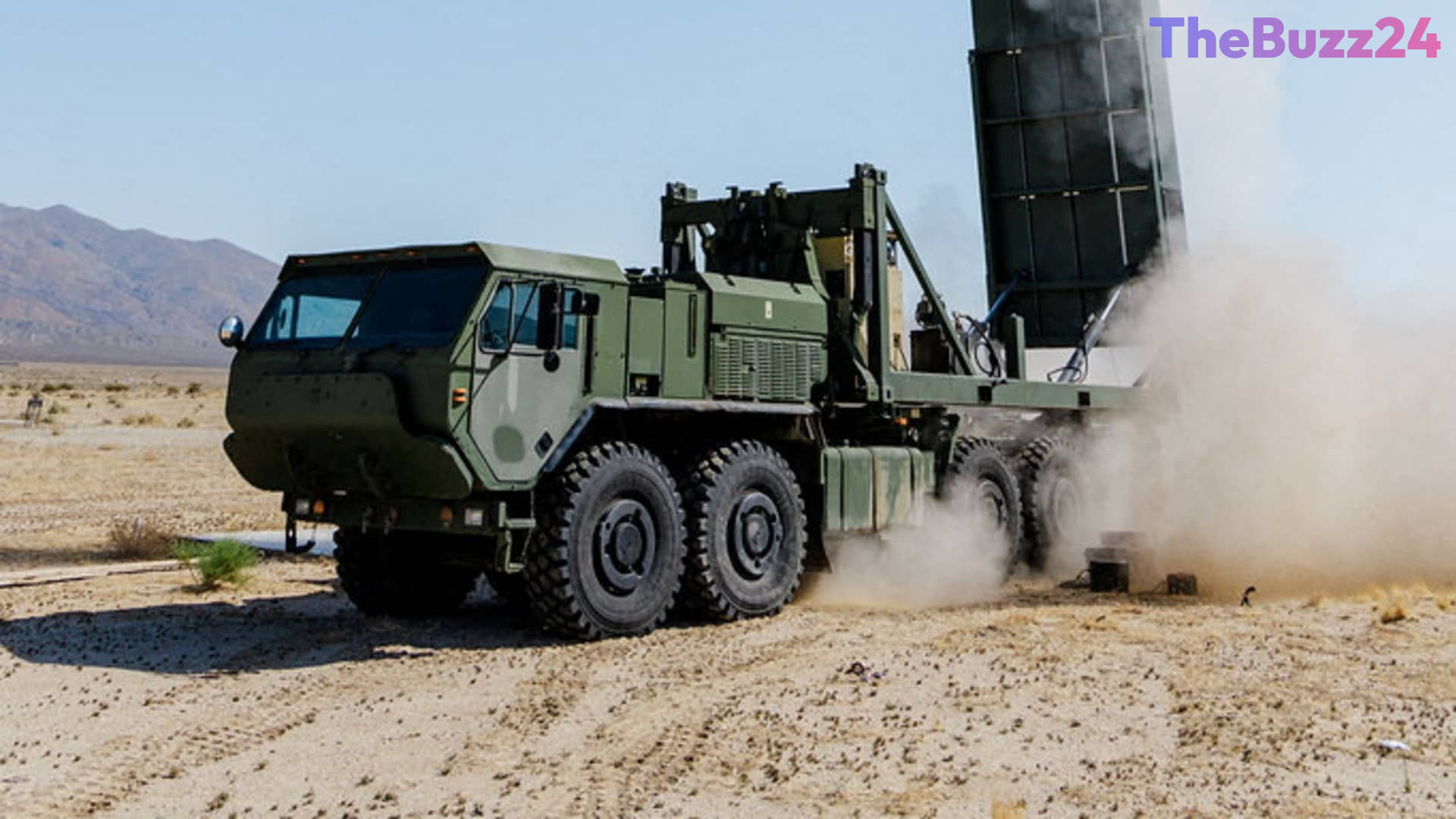
The New Arms Race: How Startups Are Revolutionizing Defense Manufacturing
The United States defense sector is undergoing a seismic shift as the government pushes for an unprecedented $1.5 trillion budget, aimed at replenishing depleted munitions stocks and modernizing procurement strategies. This push for speed and efficiency has created a new competitive landscape, as states across the country vie to host the next generation of high-tech weapons manufacturing facilities. The traditional ‘cost-plus’ contracting model, which often incentivized slow production and high costs, is being challenged by a new wave of agile startups.
At the forefront of this transformation is Castelion, a startup founded by former SpaceX alumni. The company is applying commercial manufacturing principles to the production of hypersonic missiles, a critical capability for national security. By utilizing ‘firm-fixed-price’ contracts, Castelion assumes the financial risk while committing to high-volume production, a stark departure from the legacy defense industry approach. This model aims to produce weapons at scale, ensuring that the military can replenish its arsenal rapidly rather than relying on limited, slow-moving supply chains.
To support this ambitious goal, Castelion recently broke ground on a massive 1,000-acre campus in Sandoval County, New Mexico. The site selection process prioritized shovel-ready land and access to a specialized talent pool, drawing on the expertise found near national laboratories. The $220 million project is expected to generate hundreds of high-paying jobs and contribute significantly to the local economy. As the Pentagon continues to prioritize rapid deployment and cost-effective scalability, this project serves as a blueprint for future defense-related economic development across the nation.
Industry experts suggest that this ‘SpaceX-ification’ of the defense sector is only the beginning. With the government signaling a long-term commitment to upgrading its technological arsenal, the demand for manufacturing sites that can facilitate rapid, large-scale production will likely grow. States that can offer streamlined regulatory environments and a skilled workforce are positioning themselves to become the new hubs of American defense innovation.
Key Takeaways
- The Pentagon is shifting toward 'firm-fixed-price' contracts to incentivize faster, more cost-effective weapons production.
- Startups like Castelion are applying commercial manufacturing strategies, such as vertical integration and high-rate production, to defense technology.
- States are competing to attract defense manufacturing projects by offering streamlined regulatory processes and access to specialized technical talent.
Editor’s Analysis & Impact
The defense industry is currently experiencing a fundamental transition from a legacy-focused, cost-plus procurement model to a commercial-style, high-velocity manufacturing paradigm. This shift is driven by the urgent need to replenish munitions stocks and maintain a competitive edge in hypersonic technology against global rivals. By leveraging private capital and commercial efficiencies, startups are disrupting the traditional defense-industrial base, forcing established contractors to rethink their operational strategies. The broader implication is a decentralized, state-level competition for defense investment, which serves as a catalyst for regional economic growth. As the Pentagon continues to prioritize scalability and speed, we can expect further integration of commercial tech talent into the defense sector, likely leading to a more robust, albeit highly competitive, national security supply chain over the next decade.
Frequently Asked Questions
Q: What is the difference between 'cost-plus' and 'firm-fixed-price' contracts?
A: In a cost-plus contract, the government pays for the contractor's costs plus a fee, which often provides little incentive to control costs. In a firm-fixed-price contract, the government pays a set price regardless of the contractor's actual costs, shifting the financial risk to the company.
Q: Why is New Mexico becoming a hub for defense manufacturing?
A: New Mexico offers a combination of available land, a history of defense production, and a highly skilled workforce derived from nearby national laboratories, all supported by a streamlined, bipartisan approach to regulatory approval.
AI Disclosure: This article is based on verified data and official reports. Our Team and AI have cross-referenced every financial detail with primary sources to ensure total accuracy.
More from this Category