The Rise of ‘Robot Relations’: Why Future HR Departments May Need a Tech-Focused Overhaul
As artificial intelligence becomes deeply embedded in the modern workplace, corporations are facing a new frontier of employee grievances that traditional human resources departments are ill-equipped to handle. From disputes over AI-driven scheduling to concerns regarding algorithmic bias in performance reviews and layoffs, the friction between human workers and automated systems is intensifying. Experts suggest that the next evolution of corporate management may require the creation of ‘Robot Relations’ (RR) departments—specialized units dedicated to mediating the complex, often strained, relationship between human staff and their digital counterparts.
Currently, the United States leads the global adoption of algorithmic management, with approximately 90% of managers utilizing software to instruct, monitor, or evaluate employees. This shift has sparked significant pushback from labor unions and legislative bodies, particularly in states like California, where lawmakers are actively debating the ethics of ‘robo-bosses’ that possess the power to discipline or terminate staff. As AI agents, cobots, and large language models become core partners in daily operations, the potential for workplace tension is expected to grow, necessitating a formal structure to address issues of data privacy, job security, and the psychological impact of constant digital surveillance.
Beyond mere conflict resolution, the proposed RR departments would serve a broader purpose: ensuring that human employees remain empowered in an increasingly automated environment. Academics and labor advocates argue that without dedicated oversight, workers risk being reduced to mere extensions of machinery, tasked only with troubleshooting malfunctions or supporting the limitations of automated workflows. A well-structured RR department would focus on reskilling, protecting employee autonomy, and ensuring that workers have a meaningful voice in the governance and design of the very systems that dictate their professional lives.
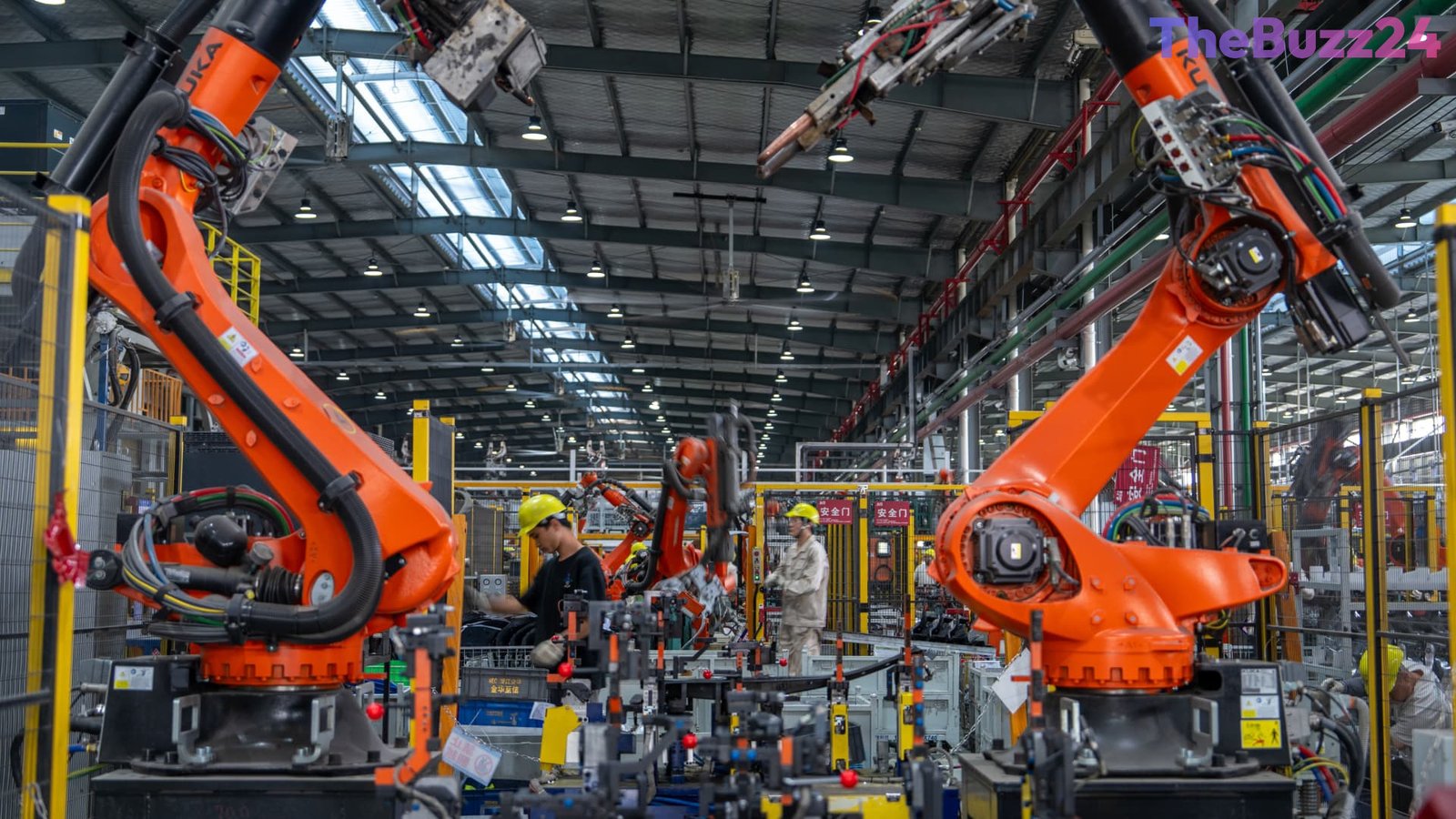
While the term ‘Robot Relations’ may sound like a concept from science fiction, the underlying necessity is already being felt in boardrooms and on factory floors. As companies continue to integrate AI into hiring, management, and production, the need for a framework that balances technological efficiency with human well-being is becoming undeniable. Whether integrated into existing HR structures or established as standalone entities, these departments will likely become a standard feature of the future workplace, tasked with defining the value of human contribution in an AI-mediated world.
Key Takeaways
- Corporations are increasingly adopting algorithmic management tools, leading to new forms of workplace friction and employee anxiety.
- Experts propose the creation of 'Robot Relations' departments to mediate disputes between human workers and AI systems, moving beyond the scope of traditional HR.
- Legislative efforts are underway to regulate the use of AI in high-stakes employment decisions, such as firing and performance monitoring.
Editor’s Analysis & Impact
The emergence of ‘Robot Relations’ signals a fundamental shift in the social contract between employers and employees. As AI transitions from a productivity tool to a management entity, the power dynamic in the workplace is shifting toward those who own and govern the algorithms. The market impact will likely be twofold: first, a surge in demand for specialized labor relations experts who possess both technical literacy and human-centric management skills; second, a wave of corporate compliance requirements as governments move to regulate algorithmic transparency. In the long term, companies that proactively address the ‘human-machine’ divide will likely see higher retention rates and better integration of AI, whereas those that treat workers as mere appendages to automated systems will face increased litigation, unionization efforts, and reputational damage.
Frequently Asked Questions
Q: What is the primary purpose of a 'Robot Relations' department?
A: The primary purpose is to mediate the relationship between human employees and AI systems, addressing grievances related to algorithmic management, surveillance, and the impact of automation on job security and professional growth.
Q: Are there current laws regulating the use of AI in the workplace?
A: Yes, legislative bodies are beginning to act. For example, California has seen significant legislative efforts aimed at restricting the use of automated systems for firing or disciplining employees, reflecting a growing trend toward increased oversight of 'robo-bosses'.
AI Disclosure: This article is based on verified data and official reports. Our Team and AI have cross-referenced every financial detail with primary sources to ensure total accuracy.
More from this Category