U.S. and China Officials Convene in New York to Address AI, Trade, and Mineral Supply Chains
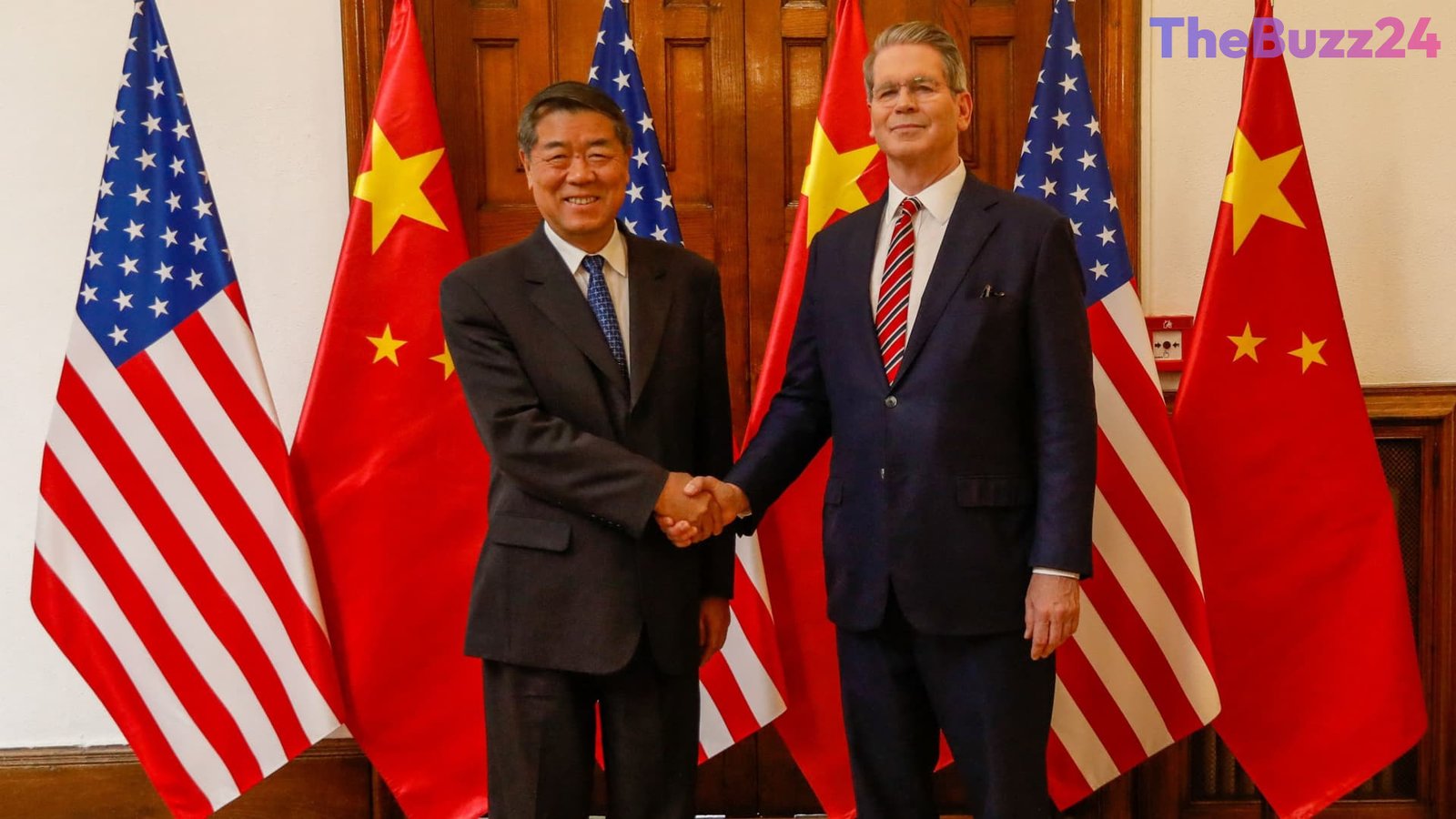
U.S. Treasury Secretary Scott Bessent and Chinese Vice Premier He Lifeng are meeting in New York this Sunday to conduct high-level negotiations ahead of a pivotal summit between President Donald Trump and President Xi Jinping. The discussions, which also include U.S. Trade Representative Jamieson Greer, are focused on establishing a framework for cooperation on artificial intelligence, tariff adjustments, and the reliable supply of critical minerals.
The talks, hosted at the JP Morgan Chase headquarters, aim to address ongoing friction in the U.S.-China trade relationship. A primary point of contention involves the status of a trade truce set to expire on November 10, as well as concerns regarding the insufficient flow of rare-earth magnets and minerals essential for semiconductor manufacturing. Furthermore, officials are seeking to establish safety guardrails for AI development following reports of security vulnerabilities in advanced models.
Beyond trade and minerals, the agenda includes discussions on potential tariff reductions for non-strategic goods and the implementation of investment forums. While the U.S. administration continues to scrutinize Chinese industrial capacity and maintain national security restrictions on sectors like automotive manufacturing, there are indications of potential flexibility regarding pharmaceutical investments. The outcome of these meetings is expected to set the tone for the upcoming presidential summit, with both nations aiming to avoid further escalation in their complex economic ties.
Key Takeaways
- U.S. and Chinese officials are meeting to negotiate trade, AI safety, and critical mineral supply chains ahead of a presidential summit.
- Key agenda items include the expiration of a trade truce, the regulation of open-weight AI models, and potential tariff adjustments.
- While both sides seek to avoid further escalation, analysts expect incremental progress rather than a major breakthrough in the bilateral relationship.
Editor’s Analysis & Impact
The meeting between Secretary Bessent and Vice Premier He represents a critical attempt to stabilize the world’s two largest economies amidst persistent geopolitical tension. By focusing on ‘guard rails’ for AI and the supply of rare-earth minerals, both nations are acknowledging that their technological and industrial futures are deeply intertwined, even as they compete for dominance. The shift toward discussing specific sectors—such as pharmaceuticals—suggests a move toward more surgical, pragmatic economic policy rather than broad-brush protectionism. However, the underlying friction regarding industrial overcapacity and national security remains a significant hurdle. The future outlook suggests a ‘managed competition’ model, where both powers attempt to decouple in sensitive areas while maintaining essential trade flows to prevent global economic instability.
Frequently Asked Questions
Q: Why are AI models a central topic in these trade talks?
A: AI is a primary driver of modern economic growth, and both nations are concerned about security risks, the proliferation of powerful models to non-state actors, and the reliance on rare-earth minerals for the hardware that powers these systems.
Q: What is the significance of the upcoming November 10 deadline?
A: November 10 marks the expiration of a current U.S.-China trade truce. Negotiators are working to reach new agreements or extend existing terms to prevent a return to the high-tariff environment that previously impacted global markets.
AI Disclosure: This article is based on verified data and official reports. Our Team and AI have cross-referenced every financial detail with primary sources to ensure total accuracy.
More from this Category