The Rise of ‘Virtual Parents’: Why China’s Youth Are Seeking Emotional Refuge Online
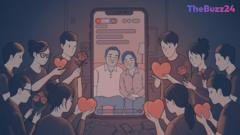
A growing trend of ‘virtual parents’ is gaining significant traction across Chinese social media, offering a digital sanctuary for young adults struggling with the pressures of modern life and strained familial relationships. Content creators like Pan Huqian and Zhang Xiuping have amassed millions of followers on platforms like Douyin by producing videos that offer unconditional support, warmth, and validation—elements that many of their viewers feel are missing from their real-life interactions with their own parents.
For many young professionals, the appeal of these virtual figures lies in their ability to provide a non-judgmental space. Unlike traditional family dynamics, which often emphasize academic achievement, career stability, and adherence to filial piety, these online personas focus on emotional well-being. Viewers frequently engage with the content by sharing their personal struggles in the comments, seeking the kind of encouragement and comfort they feel they cannot receive at home. This phenomenon highlights a widening generational divide, where the economic anxieties of today’s youth clash with the traditional expectations of older generations who lived through vastly different historical hardships.
This shift in behavior is part of a broader cultural reckoning among young people in China regarding parenting styles and mental health. As youth unemployment remains a persistent concern and the competitive nature of the job market intensifies, many are turning to humor, memes, and digital communities to cope with burnout. While some critics and state media have attempted to reinforce traditional family values, many young adults argue that their ‘generational trauma’ requires a different approach to emotional support. For individuals like Vincent Zhang, a Shanghai-based tech worker, these virtual interactions serve as a necessary, albeit artificial, remedy for the isolation and stress caused by high-pressure family expectations.
Key Takeaways
- Virtual parents are gaining popularity in China by providing emotional validation that many young adults feel is absent in their real-life family relationships.
- The trend reflects deeper societal issues, including high youth unemployment, intense career pressure, and a growing generational divide regarding mental health and expectations.
- Young people are increasingly using digital platforms and humor to cope with 'generational trauma' and the stress of traditional family dynamics.
Editor’s Analysis & Impact
The emergence of ‘virtual parents’ is a poignant indicator of a shifting social contract in China. As the country transitions from a period of rapid economic growth to a more stagnant, highly competitive environment, the traditional family unit is struggling to adapt. The market for ’emotional labor’ is expanding, as evidenced by the commercial success of these content creators. This trend suggests that as long as real-world economic and social pressures continue to mount, the demand for digital surrogates for intimacy and support will likely grow. From a broader perspective, this reflects a global trend where technology is increasingly being used to fill voids in human connection, potentially reshaping how future generations define ‘family’ and support systems in an era of digital-first interactions.
Frequently Asked Questions
Q: What are 'virtual parents'?
A: They are content creators on social media platforms who produce videos acting as supportive, loving parents, offering the kind of emotional validation and encouragement that their viewers feel they do not receive from their real-life families.
Q: Why is this trend becoming popular among Chinese youth?
A: It is driven by a combination of high youth unemployment, intense career pressure, and a desire to escape the 'generational trauma' and rigid expectations associated with traditional filial piety.
AI Disclosure: This article is based on verified data and official reports. Our Team and AI have cross-referenced every financial detail with primary sources to ensure total accuracy.
More from this Category