Semantic Warfare: How the Definition of ‘War’ is Leaving Middle East Businesses Uninsured
A critical linguistic distinction in insurance policies is exposing companies operating in the Middle East to massive financial vulnerabilities. While a vast majority of regional enterprises maintain robust coverage against acts of terrorism and sabotage, a significantly smaller portion have secured explicit policies covering “war.” As geopolitical tensions escalate—marked by drone strikes, missile attacks, and maritime blockades involving state actors like Iran—this semantic divide could mean the difference between a fully compensated recovery and catastrophic financial ruin.
The situation is further muddied by the divergence between political rhetoric and strict underwriting guidelines. Governments often employ diplomatic euphemisms, labeling active conflicts as “hostilities” or “limited engagements” to bypass specific domestic legislative hurdles or international treaties. However, insurance underwriters are bound by contract law rather than political posturing. For insurers, the primary concern is whether an event aligns with the precise, technical definitions of war, civil unrest, or insurrection codified within the policy documents.
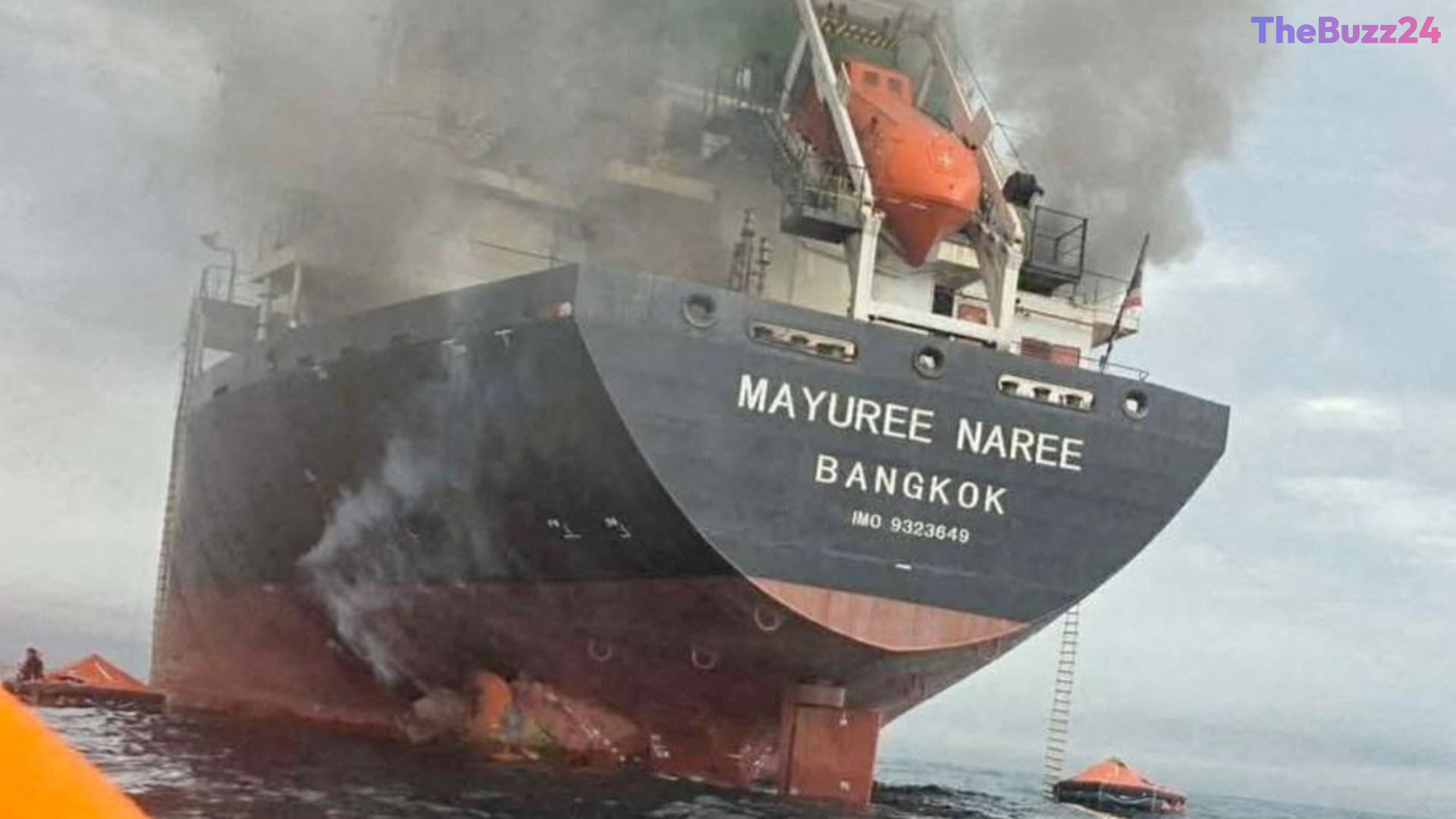
The real-world consequences of this semantic battle are already rippling through key economic sectors. In the maritime domain, escalating threats in the critical Strait of Hormuz have sent war risk premiums skyrocketing, prompting shipping conglomerates to reroute vessels around Africa at immense cost. On land, physical strikes near industrial zones and data centers are complicating standard property claims. Meanwhile, the cyber insurance sector faces its own unique challenge: establishing whether a digital disruption was directly orchestrated by a sovereign state or executed by an independent proxy group, a distinction that triggers or nullifies war exclusion clauses.
The prolonged period of relative stability that previously encouraged businesses to skimp on comprehensive conflict insurance is rapidly drawing to a close. Many corporations are discovering too late that their standard property and casualty policies contain sweeping exclusions for the exact types of state-sponsored hostilities currently unfolding. As insurance providers tighten policy terms and restrict new coverage in high-risk zones, legal analysts anticipate a major surge in litigation as businesses and insurers clash over the costly definitions of modern warfare.
Key Takeaways
- Many businesses in the Middle East hold insurance for terrorism but lack specific coverage for "war," leaving them exposed to massive financial losses during state-level conflicts.
- Insurance underwriters rely on strict contractual definitions of conflict rather than political labels or government terminology to determine claim payouts.
- Rising geopolitical risks are driving up maritime premiums in the Strait of Hormuz and complicating property, cyber, and supply chain insurance claims globally.
Editor’s Analysis & Impact
The escalating tension in the Middle East is exposing a systemic vulnerability in global corporate risk management. For decades, businesses treated war risk insurance as an optional, high-cost add-on, relying instead on cheaper terrorism clauses. However, the evolution of modern warfare—characterized by state-sponsored proxy attacks, cyber warfare, and targeted maritime disruptions—has blurred the lines between localized terrorism and state-on-state conflict. This ambiguity gives insurers strong legal grounds to deny claims under standard “war exclusion” clauses. Moving forward, we expect a dramatic repricing of corporate risk, with insurers demanding higher premiums and enforcing stricter, more explicit policy language. Businesses operating in geopolitical hotspots must urgently audit their coverage, as the cost of being underinsured now far outweighs the premium savings. This shift will likely accelerate a broader trend of supply chain decoupling from high-risk corridors.
Frequently Asked Questions
Q: What is the difference between terrorism insurance and war insurance?
A: Terrorism insurance typically covers acts committed by non-state actors for political, ideological, or religious goals. War insurance covers acts of aggression committed by sovereign states or recognized military forces, which are usually excluded from standard commercial and terrorism policies.
Q: Why are cyber attacks particularly difficult to classify under these policies?
A: Cyber attacks are difficult because of the attribution challenge. To trigger a "war exclusion" clause, an insurer must prove the digital attack was directed or sponsored by a sovereign state, which is highly complex when attacks are routed through proxy groups or anonymous hackers.
Q: How are shipping companies responding to rising war risks in the Middle East?
A: Many shipping companies are avoiding high-risk zones like the Strait of Hormuz entirely, choosing instead to reroute vessels around the southern tip of Africa. While safer, this alternative significantly increases transit times, fuel consumption, and overall shipping costs.
AI Disclosure: This article is based on verified data and official reports. Our Team and AI have cross-referenced every financial detail with primary sources to ensure total accuracy.
More from this Category