The Silicon Valley Disconnect: Are Tech Leaders Losing Touch with Human Connection?
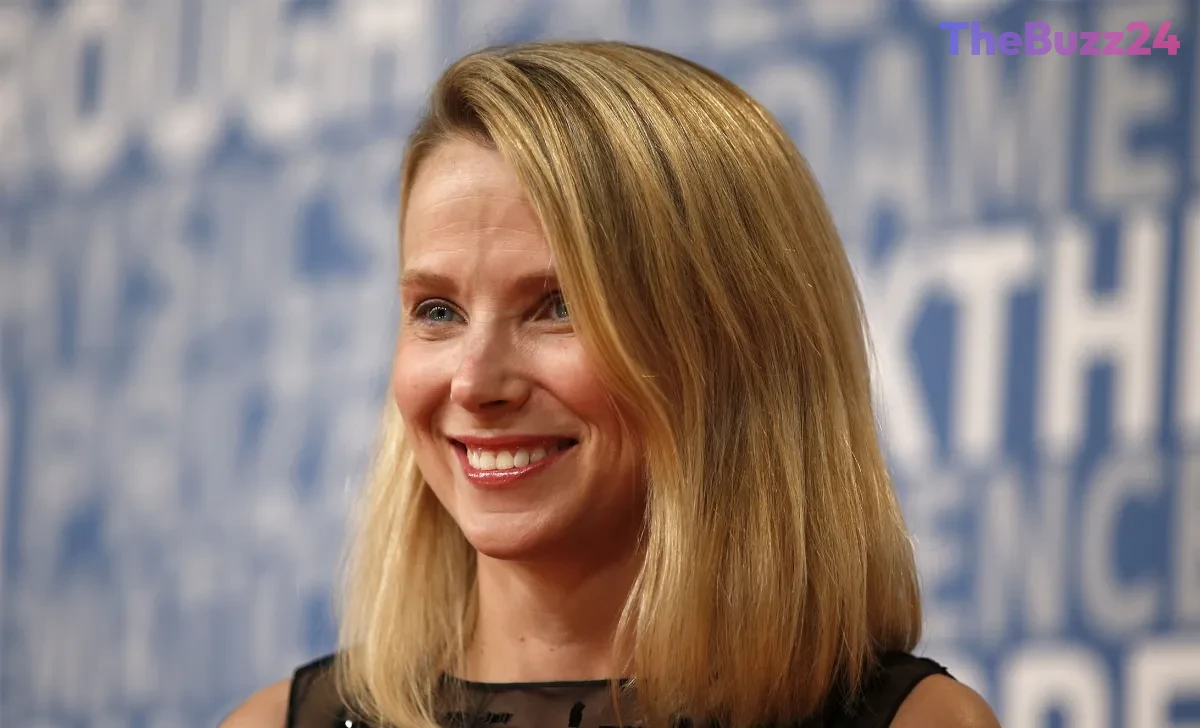
A growing divide has emerged between the architects of artificial intelligence and the general public, as prominent tech leaders increasingly advocate for outsourcing fundamental human experiences to algorithms. Recent comments from high-profile figures, including former Yahoo CEO Marissa Mayer and OpenAI CEO Sam Altman, have sparked significant backlash for suggesting that AI should play a central role in parenting and social planning. Critics argue that these proposals reflect a sheltered perspective that prioritizes efficiency over the messy, essential nature of human relationships.
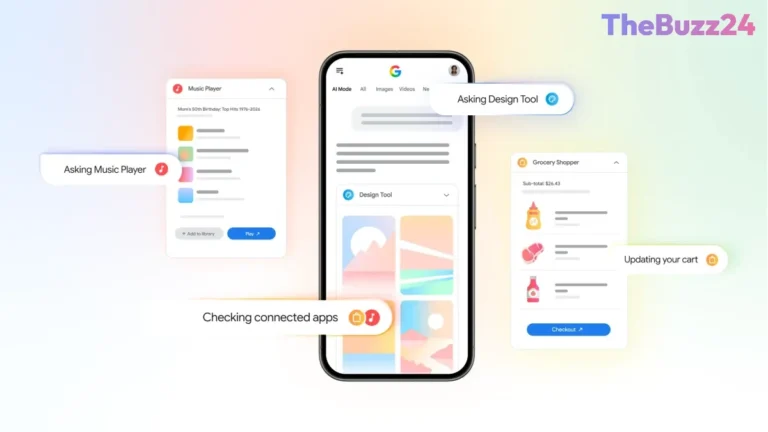
Mayer, who recently introduced an AI assistant app called Dazzle, faced public scrutiny after suggesting the tool could help parents define their children’s personalities or manage birthday party logistics. Similarly, Sam Altman has publicly mused about using AI to navigate the complexities of raising children and managing family schedules. While these executives often frame such tools as productivity boosters, many observers view them as a troubling attempt to automate aspects of life that require emotional intelligence, patience, and genuine presence.
This trend extends to the social sphere, with Meta CEO Mark Zuckerberg suggesting that AI could help bridge the gap for individuals who feel lonely or lack sufficient social connections. By proposing that people might eventually rely on AI therapists or virtual avatars to meet their emotional needs, industry leaders are signaling a shift toward a future where digital approximations replace physical interaction. However, this vision clashes with broader public sentiment, as studies indicate that a significant portion of the population fears AI will ultimately erode the ability to form meaningful, authentic relationships.
The core of the conflict lies in the tech industry’s obsession with optimization. While efficiency is a vital metric for manufacturing or software development, critics argue that applying the same logic to human connection is a fundamental error. By treating social interactions as tasks to be streamlined, tech leaders risk stripping away the very friction and vulnerability that provide life with its depth and meaning. As the industry pushes for a ‘frictionless’ future, the debate over whether we are gaining convenience or losing our humanity continues to intensify.
Key Takeaways
- Prominent tech executives are facing criticism for suggesting that AI should be used to manage parenting and personal social interactions.
- There is a significant cultural gap between Silicon Valley's focus on efficiency and the public's desire for authentic, human-led relationships.
- Research suggests that half of U.S. adults believe AI will negatively impact their ability to form meaningful connections with others.
Editor’s Analysis & Impact
The current friction between tech leadership and the public highlights a critical misalignment in the development of AI products. By attempting to ‘solve’ human life through the lens of productivity, Silicon Valley risks alienating the very user base it seeks to serve. The industry’s push toward AI-mediated social lives suggests a future where digital convenience is prioritized over emotional depth, potentially leading to a societal crisis of loneliness. Moving forward, companies that fail to recognize the value of human friction and authentic interaction may find their products rejected by a public that is increasingly wary of the ‘optimization’ of their personal lives. The long-term implication is a potential regulatory and cultural pushback against AI tools that attempt to replace, rather than augment, human-to-human connection.
Frequently Asked Questions
Q: Why are people criticizing tech leaders for their comments on AI and parenting?
A: Critics argue that parenting and social interactions are deeply emotional experiences that require human presence, and that outsourcing these tasks to AI reflects a lack of understanding of human values.
Q: What is the primary goal of the tech industry's approach to AI, according to the article?
A: The industry often prioritizes efficiency and 'frictionless' experiences, attempting to optimize daily tasks and social interactions in the same way they would optimize software or manufacturing processes.
AI Disclosure: This article is based on verified data and official reports. Our Team and AI have cross-referenced every financial detail with primary sources to ensure total accuracy.
More from this Category