The Tech Arms Race: How Individual Traders Are Dominating Prediction Markets
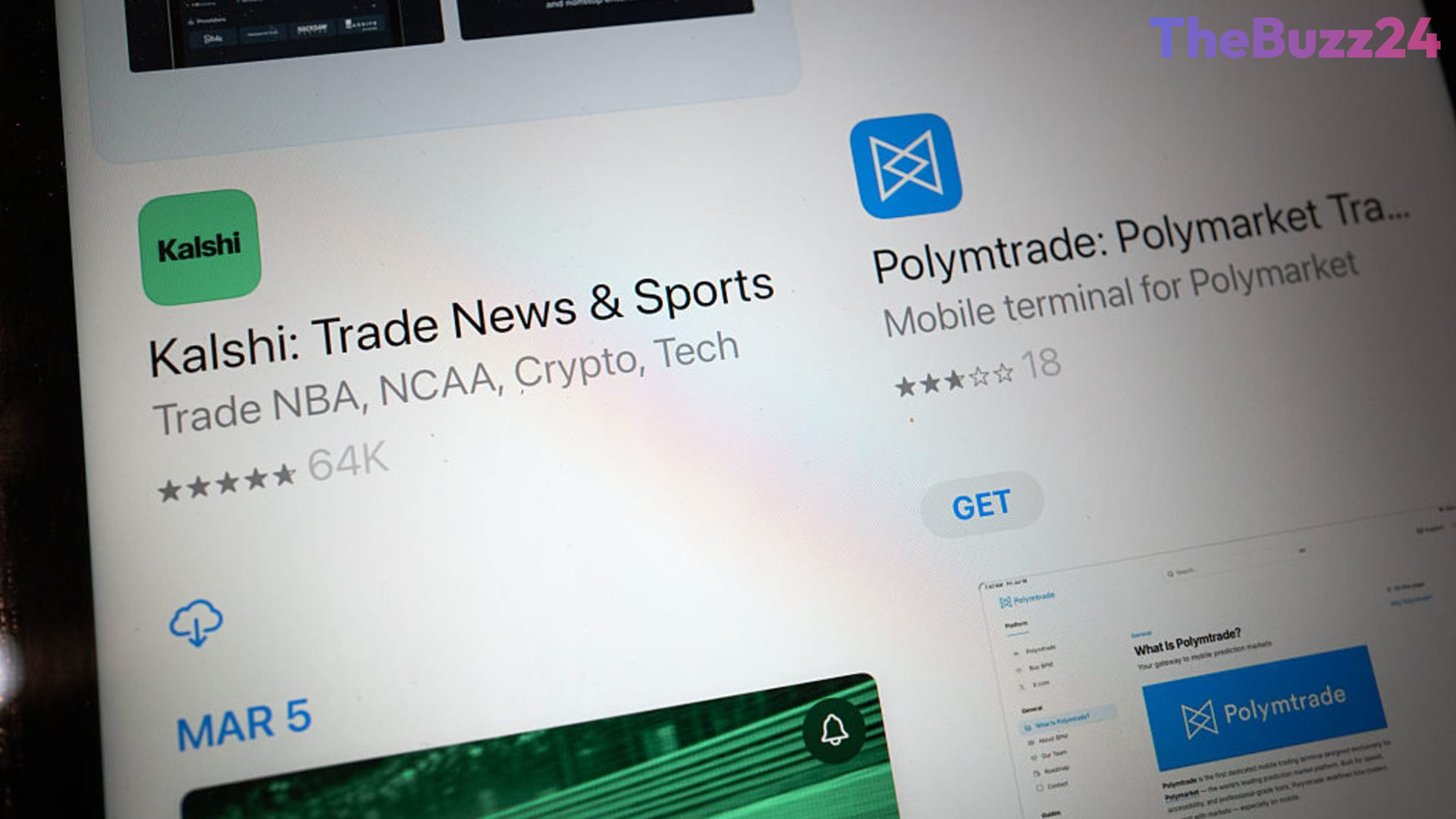
The landscape of prediction markets, dominated by platforms like Polymarket and Kalshi, has evolved into a high-stakes arena where success is rarely determined by intuition alone. With over 100,000 active markets available, the sheer volume of data has forced individual traders to move beyond simple betting, adopting sophisticated technological toolkits to maintain a competitive edge. From custom-built AI bots to low-latency hardware, these independent speculators are increasingly operating like institutional trading desks from the comfort of their own homes.
For many full-time traders, the secret lies in automation and speed. Some have gone to extreme lengths to secure an advantage, such as purchasing specialized antennas to bypass streaming delays during major televised events, ensuring they receive information seconds before the general public. Others leverage advanced language models like Claude to scan vast amounts of news, newsletters, and social media feeds, allowing them to identify market-moving information before it goes viral. This systematic approach to information gathering has become a prerequisite for those looking to turn prediction markets into a sustainable career.
Automation has further leveled the playing field against human error. By developing custom bots to handle execution, traders can remove the emotional volatility of greed and impulse, allowing algorithms to manage high-frequency trades across economic and political contracts. While some traders build these systems from scratch, platforms are beginning to respond to this demand by offering professional-grade terminals. These new interfaces aim to democratize access to high-speed execution, though many seasoned speculators remain skeptical, arguing that proprietary, custom-built software will always outperform standardized tools.
As the industry matures, the divide between manual traders and those utilizing automated systems continues to widen. Startups are now entering the space to provide institutional-level infrastructure to retail users, promising to bridge the gap between individual speculators and large-scale trading firms. Despite these advancements, the consensus among top performers remains clear: in an environment where every millisecond counts, the human element is increasingly being relegated to the role of architect, while software does the heavy lifting.
Key Takeaways
- Successful prediction market traders are increasingly relying on AI automation and custom software to manage high volumes of data and execute trades.
- Speed is a critical factor, with traders using specialized hardware and low-latency tools to gain an advantage over the general public.
- Platforms are responding to the professionalization of the space by launching advanced trading terminals to help retail users compete with more sophisticated market participants.
Editor’s Analysis & Impact
The rise of the ‘prosumer’ trader in prediction markets signals a broader shift in how retail investors interact with speculative assets. By applying institutional-grade strategies—such as algorithmic execution and real-time data scraping—to decentralized prediction platforms, these individuals are effectively creating a new asset class. The industry is currently in a ‘tech arms race’ where the barrier to entry is shifting from capital availability to technical proficiency. As platforms like Kalshi and Polymarket continue to integrate professional tools, we can expect to see increased market efficiency and liquidity. However, this also raises concerns regarding market manipulation and the potential for retail traders to be outpaced by increasingly complex, autonomous systems that operate beyond the speed of human decision-making.
Frequently Asked Questions
Q: Why do traders use AI bots in prediction markets?
A: Traders use AI bots to remove human emotions like greed and impulse from the decision-making process, and to execute trades at speeds and volumes that are impossible for a human to manage manually.
Q: Are prediction market platforms providing tools to help traders?
A: Yes, platforms are increasingly launching 'Pro' versions of their interfaces, which include features like one-click trading and faster data visualization to help users compete more effectively.
AI Disclosure: This article is based on verified data and official reports. Our Team and AI have cross-referenced every financial detail with primary sources to ensure total accuracy.
More from this Category