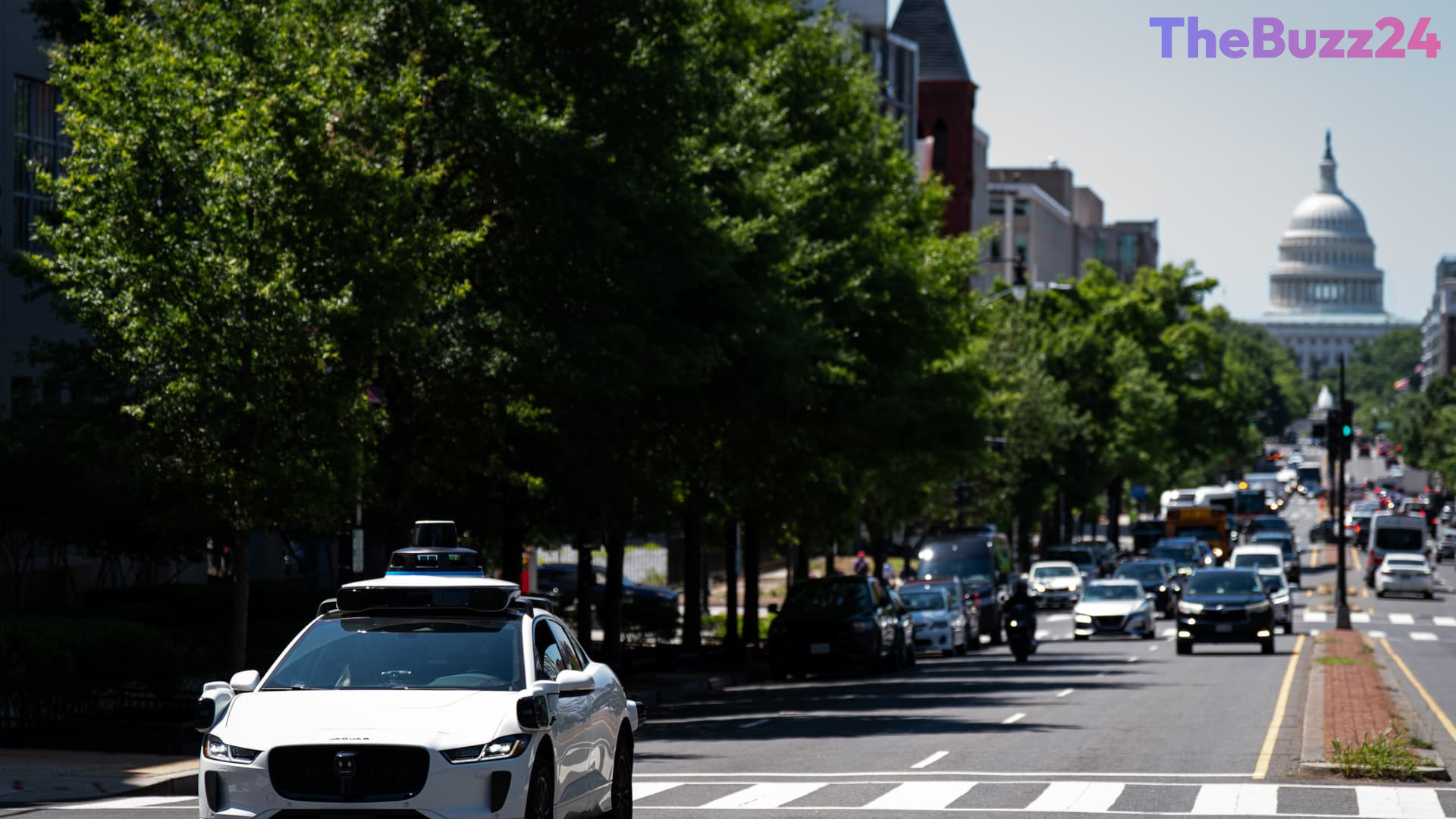
The Strange Alliance: Why Uber is Teaming Up with Labor Unions Against Waymo’s Robotaxis
In an unexpected twist within the modern tech landscape, rideshare giant Uber has found itself aligned with labor unions in pushing back against the rapid, unchecked deployment of fully autonomous vehicles. This emerging alliance is playing out most notably in Washington, D.C., where local government officials are weighing legislation that could drastically alter the future of urban transportation and gig work.
The legislation in question, known as the Autonomous Vehicle Deployment Authorization Amendment Act, aims to clear the path for widespread robotaxi and autonomous delivery operations across the District. However, the proposal has ignited fierce backlash from labor advocates and gig economy workers. Critics argue that unbridled automation threatens thousands of local jobs in a market where rideshare driving is a critical economic lifeline, particularly as the region navigates broader employment challenges.
While Uber has historically championed autonomous vehicle technology—committing billions of dollars to its own fleet development and hybrid solutions—the company is now advocating for regulatory guardrails. During recent public hearings, Uber representatives argued for a hybrid ecosystem where human drivers and autonomous vehicles operate side-by-side, warning that a sudden, unregulated transition would devastate the workforce and severely reduce driver earnings. This stance mirrors similar lobbying efforts in states like New Jersey, where the company has pushed for rules mandating that human drivers handle a substantial majority of rideshare trips.
At the heart of this strategic pivot lies a fraying relationship between Uber and Alphabet’s Waymo. As partnerships in key markets face expiration dates and competition intensifies, Uber appears to be positioning itself as a defender of a mixed-fleet model to prevent total market monopolization by dedicated AV entities. Meanwhile, Waymo maintains that market demand and consumer choice—rather than rigid legislative mandates—should dictate the future of transit, while expressing confidence in its ability to bring jobs and safe mobility to the nation’s capital.
Despite sharing a temporary legislative goal, labor unions remain deeply skeptical of Uber’s motivations, viewing the tech giant’s sudden friendliness toward workers as a strategic maneuver rather than a genuine labor advocacy effort. As these legislative battles unfold across the country, the fundamental question remains whether cities will enforce a hybrid workforce transition or allow autonomous fleets to rapidly replace human operators entirely.
Key Takeaways
- Uber has unexpectedly partnered with labor unions to lobby for regulations on autonomous vehicle deployment in Washington, D.C. and New Jersey.
- The D.C. bill proposes widespread robotaxi usage, which labor groups argue will devastate the local gig economy and threaten thousands of driver jobs.
- The unusual alliance highlights growing friction between Uber and Waymo as competition heats up over the future control of urban rideshare markets.
Editor’s Analysis & Impact
The unexpected tactical alignment between Uber and organized labor marks a fascinating evolution in the gig economy’s battle against automation. For years, companies like Uber fought tooth and nail against unionization and employee classification efforts, making their current cooperation on AV legislation a striking paradox. Industry analysts view this maneuver not as a sudden philanthropic embrace of labor rights, but as a calculated defensive strategy. By pushing for mandatory hybrid networks—where human drivers must comprise a set percentage of fleets—Uber is attempting to safeguard its operational model against total disruption by vertically integrated autonomous competitors like Waymo. If successful, this strategy could set a powerful regulatory precedent nationwide, forcing autonomous vehicle developers to share market space with human operators and fundamentally reshaping the economics of urban transportation for the next decade.
Frequently Asked Questions
Q: Why is Uber siding with labor unions on autonomous vehicle legislation?
A: Uber is advocating for regulatory guardrails, such as mandatory hybrid networks combining human drivers and robotaxis, to prevent competitors like Waymo from completely monopolizing local markets and phasing out human operators too quickly.
Q: What is the primary concern of labor unions regarding autonomous vehicles?
A: Labor unions are primarily concerned that the mass deployment of autonomous vehicles will cause widespread job losses, reduce earnings for existing rideshare drivers, and negatively impact local economies.
Q: How do Waymo and Uber differ on how AVs should be regulated?
A: Waymo believes that market demand and consumer choice should determine the makeup of transit networks without external constraints, whereas Uber argues that strict legislative requirements are necessary to ensure a smooth workforce transition.
AI Disclosure: This article is based on verified data and official reports. Our Team and AI have cross-referenced every financial detail with primary sources to ensure total accuracy.
More from this Category