The Uncanny Valley of Dining: Why AI-Generated Menus Feel So Wrong
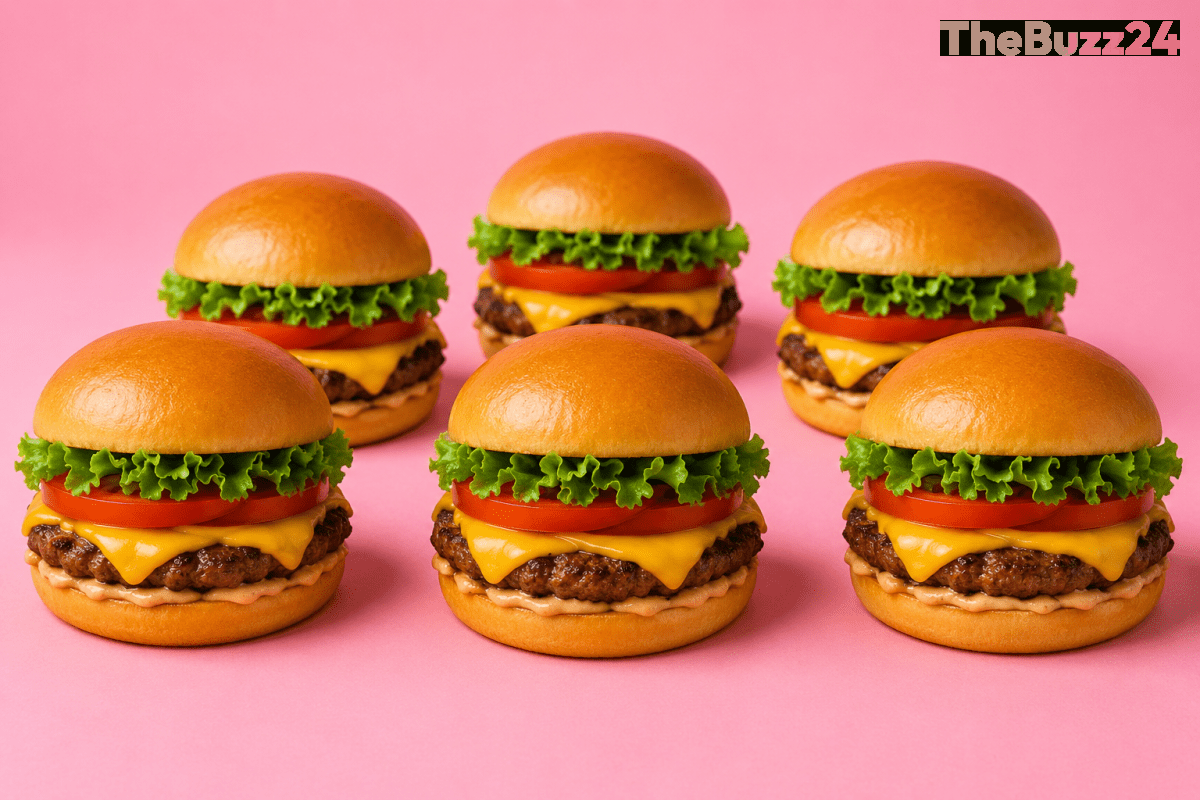
Diners are increasingly encountering a peculiar phenomenon in restaurants: menus featuring food photography that looks suspiciously perfect. From impossibly symmetrical bagels to burritos with unnaturally bubbly cheese, these AI-generated images often trigger a visceral sense of unease. While these illustrations aim to be appetizing, they frequently fall into an ‘uncanny valley’ where the lack of human imperfection makes the food appear alien or synthetic.
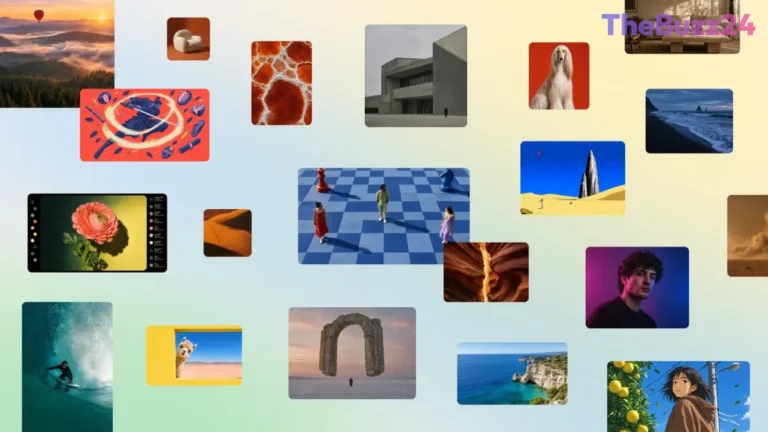
This aesthetic homogenization stems from how generative AI models are trained. These systems analyze vast datasets to identify patterns, often relying on existing commercial imagery that prioritizes a specific, polished look. Because these models are optimized for ‘pleasingness’ and safety, they tend to shave off the edges of reality, resulting in a standardized, smooth visual style that lacks the grit and variation of actual food. When restaurants repeatedly edit these AI-generated assets—adjusting prices or item names—the images often degrade further, becoming increasingly distorted with each iteration.
Experts suggest that this trend is a symptom of a broader issue in machine learning known as convergence. As AI models are fed more data that includes their own previous outputs, the diversity of the generated content shrinks. This creates a feedback loop where the ‘ideal’ version of a food item becomes more rigid and less representative of reality. Beyond the culinary world, this trend highlights a significant shift in digital trust, as the line between authentic documentation and synthetic creation continues to blur in our daily lives.
Ultimately, the backlash against these menus is rooted in human psychology. Research indicates that when images of food appear almost real but possess subtle, ‘off’ characteristics, they elicit feelings of disgust rather than hunger. As businesses continue to adopt these tools for convenience, they risk alienating customers who are becoming increasingly adept at spotting the synthetic nature of AI-generated content.
Key Takeaways
- AI-generated food imagery often triggers an 'uncanny valley' effect, causing consumers to feel unease or disgust due to the lack of natural imperfections.
- The homogenization of AI visuals is caused by training models on narrow, idealized datasets and the iterative editing process that further degrades image quality.
- The rise of synthetic imagery in commercial settings challenges the traditional societal reliance on visual evidence as a source of truth.
Editor’s Analysis & Impact
The proliferation of AI-generated menus represents a critical intersection of marketing convenience and consumer psychology. While businesses are drawn to the low cost and speed of AI image generation, they are inadvertently sacrificing brand authenticity. The ‘homogenization’ of these images suggests that as AI becomes more prevalent in commercial design, we may see a ‘blandness’ across digital interfaces, where everything looks polished but lacks character. From a market perspective, this creates a premium opportunity for authentic, human-captured photography. As consumers become more sensitive to synthetic content, businesses that lean into ‘real’ imagery may find a competitive advantage in building trust. Long-term, this trend serves as a microcosm for the broader challenges of AI-generated content, where the degradation of data quality through recursive training threatens to erode the utility and reliability of these powerful tools.
Frequently Asked Questions
Q: Why do AI-generated food images look so strange?
A: AI models are trained on datasets that prioritize 'pleasing' and symmetrical aesthetics. This leads to a lack of natural variation, resulting in images that appear overly smooth, synthetic, or 'uncanny' to the human eye.
Q: What is 'model convergence' in the context of AI images?
A: Convergence occurs when AI models are trained on their own outputs or a limited set of similar data. This causes the variety in generated content to shrink, leading to a standardized, repetitive style that loses touch with the diversity of the real world.
AI Disclosure: This article is based on verified data and official reports. Our Team and AI have cross-referenced every financial detail with primary sources to ensure total accuracy.
More from this Category