Paul Tudor Jones Casts Doubt on Potential Federal Reserve Rate Cuts Under Kevin Warsh
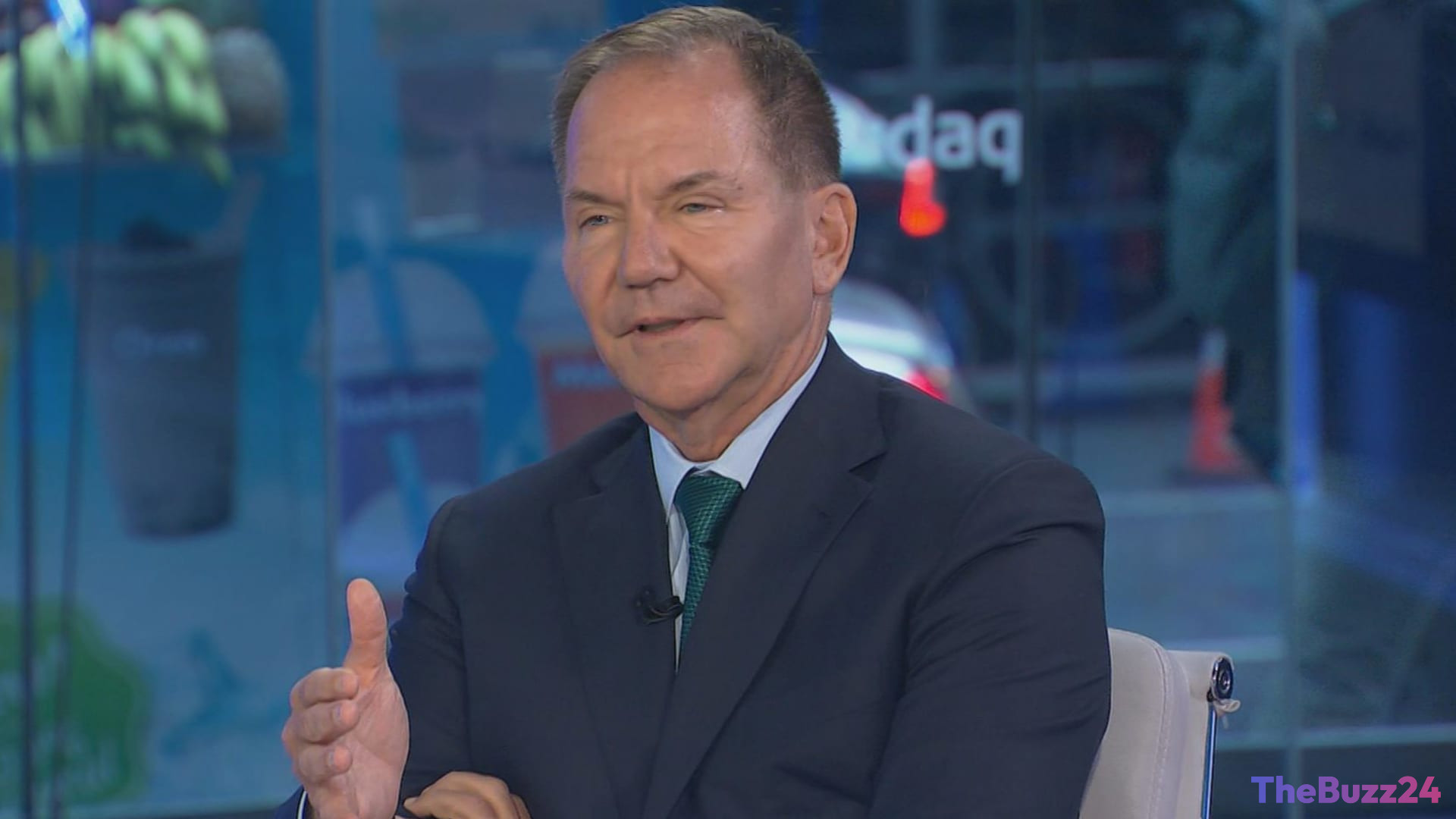
Investor Paul Tudor Jones has expressed significant skepticism regarding the likelihood of incoming Federal Reserve Chair Kevin Warsh initiating interest rate cuts. Despite Warsh’s previously stated interest in easing monetary policy, Jones suggests that the current economic climate and the internal dynamics of the Federal Open Market Committee (FOMC) will likely prevent such a move. In fact, Jones argues that the central bank should be considering the possibility of raising rates rather than lowering them.
The Federal Reserve is currently navigating a complex landscape, with the benchmark overnight rate held between 3.5% and 3.75% since December. Warsh is set to inherit a committee that recently experienced its highest level of dissent in nearly 34 years. These internal disagreements, largely driven by regional bank presidents, have centered on the central bank’s forward-looking statements regarding future rate adjustments.
Economic pressures, including stabilized labor market data, ongoing geopolitical tensions in the Middle East, and the implementation of new tariff policies under President Donald Trump, have kept inflation levels persistently above the Fed’s 2% target. Given these variables, Jones believes that any potential for easing is severely constrained. Market participants appear to share this uncertainty, with futures traders currently pricing in a high probability that the Fed will maintain its current stance through the remainder of the year.
Key Takeaways
- Paul Tudor Jones predicts that incoming Fed Chair Kevin Warsh will not cut interest rates, suggesting a hike may be more appropriate.
- The Federal Open Market Committee is currently facing record levels of internal dissent regarding future monetary policy direction.
- Persistent inflation, driven by tariffs and geopolitical instability, continues to complicate the Fed's ability to lower rates from the current 3.5%-3.75% range.
Editor’s Analysis & Impact
The commentary from Paul Tudor Jones highlights a growing divide between market expectations and the harsh realities of current macroeconomic data. While the market often hopes for a ‘dovish’ pivot to stimulate growth, the structural inflation caused by trade protectionism and geopolitical volatility makes a rate cut increasingly difficult to justify. Kevin Warsh faces a difficult balancing act: managing a deeply divided committee while attempting to steer the economy toward a 2% inflation target without triggering a recession. If the Fed chooses to hold or hike rates, it could lead to increased volatility in equity markets, which have largely priced in a more accommodative environment. The coming months will be critical in determining whether the central bank prioritizes growth or price stability in the face of these mounting fiscal pressures.
Frequently Asked Questions
Q: Why does Paul Tudor Jones believe the Fed might raise rates instead of cutting them?
A: Jones points to persistent inflation, which remains above the Fed's 2% target, and external economic pressures like tariffs and geopolitical conflict as reasons why the central bank should consider tightening rather than easing.
Q: What is the current status of the Federal Reserve's benchmark interest rate?
A: The benchmark overnight rate has been held in a range between 3.5% and 3.75% since December.
AI Disclosure: This article is based on verified data and official reports. Our Team and AI have cross-referenced every financial detail with primary sources to ensure total accuracy.
More from this Category