Tragedy at Sea: Dozens Missing Following Devastating Ferry Fire in the Philippines
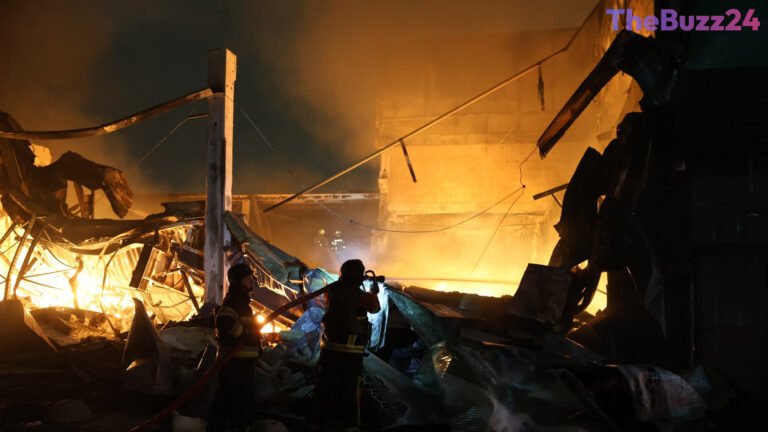
A major maritime disaster has unfolded in the Philippines after a passenger ferry caught fire while approaching the popular tourist destination of Coron. The vessel, identified as the MV June Aster, was carrying 117 passengers and 17 crew members when the blaze erupted on Wednesday evening. Emergency responders have confirmed at least five fatalities, while 86 individuals remain unaccounted for as search and rescue operations continue under difficult conditions.
The fire reportedly broke out at approximately 18:45 local time, leaving the vessel engulfed in flames as it neared the end of its journey from Manila. Rescue teams have faced significant challenges, including thick smoke and strong sea currents, which have hampered efforts to extinguish the fire and locate survivors. While 43 people have been successfully rescued, the status of the missing passengers remains critical, with families turning to social media and local authorities in a desperate search for information.
Preliminary investigations suggest the fire may have originated in the cargo hold, though the exact cause remains under scrutiny. Survivors have described harrowing escapes, with some spending hours in the water before being pulled to safety. The incident has highlighted ongoing concerns regarding maritime safety in the Philippines, an archipelago where inter-island ferries serve as a vital, yet sometimes hazardous, mode of transportation. As the search continues, the disaster is being cited as one of the most significant maritime tragedies in the region in recent years.
Key Takeaways
- At least five people are confirmed dead and 86 remain missing following a fire on the MV June Aster ferry.
- The fire reportedly began in the cargo hold while the vessel was nearing the tourist hub of Coron.
- Maritime accidents remain a recurring issue in the Philippines, often linked to safety enforcement challenges and the heavy reliance on aging ferry infrastructure.
Editor’s Analysis & Impact
The sinking or burning of inter-island ferries in the Philippines is a recurring systemic issue that highlights the tension between the country’s reliance on maritime transport and the persistent failure to enforce rigorous safety standards. Economically, these vessels are the lifeblood of the archipelago, providing affordable transit for thousands. However, the frequency of such disasters suggests a deep-seated problem with vessel maintenance, cargo regulation, and emergency preparedness. Moving forward, this tragedy will likely trigger renewed calls for stricter government oversight and the modernization of the aging ferry fleet. The broader implication is a potential shift in tourism and travel confidence, as the government faces pressure to prove that its maritime infrastructure can meet international safety benchmarks to protect both local commuters and the vital tourism sector.
Frequently Asked Questions
Q: What is the current status of the search and rescue operation?
A: As of the latest reports, 43 people have been rescued, five have been confirmed dead, and 86 individuals remain missing. Search efforts are ongoing despite challenges posed by smoke and strong currents.
Q: What is believed to have caused the fire on the MV June Aster?
A: While an official investigation is underway, preliminary interviews with survivors suggest that the fire originated in the vessel's cargo hold.
AI Disclosure: This article is based on verified data and official reports. Our Team and AI have cross-referenced every financial detail with primary sources to ensure total accuracy.
More from this Category