US Treasury Chief Predicts Inflation Downturn Amid Fed Leadership Change
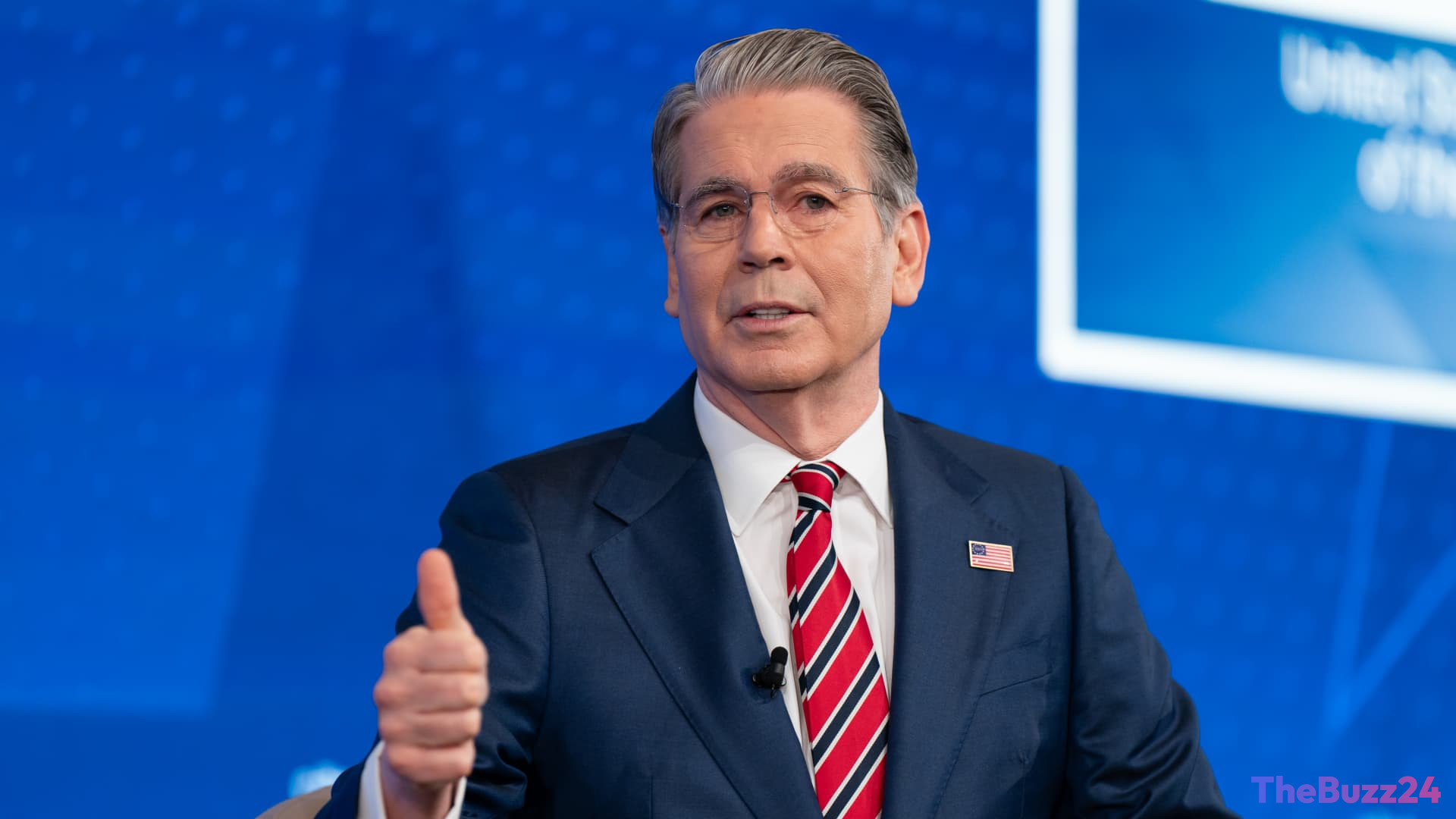
Treasury Secretary Scott Bessent has voiced strong conviction that the United States is poised for a significant period of disinflation. This optimistic forecast comes despite recent economic indicators that have pointed to persistent price pressures. Bessent’s view is that the current inflationary surge is largely a consequence of temporary supply chain disruptions, particularly in the energy sector, which are now showing signs of stabilization.
This economic outlook is particularly noteworthy as it emerges during a critical juncture for the Federal Reserve, which is preparing for a change in its top leadership. Kevin Warsh is set to assume the role of Chair, succeeding Jerome Powell. Bessent specifically highlighted geopolitical tensions impacting energy markets, notably in Iran, as a primary driver of recent price volatility. However, he expressed confidence that the strength of domestic oil production will serve as a counterbalance to these external supply pressures.
While acknowledging recent reports of a 0.6% rise in consumer prices for April and a significant annual increase in wholesale prices, Bessent draws a clear distinction between the current situation and the inflationary environment of 2021-2022. He contends that the earlier surge was fueled by extensive fiscal and monetary stimulus enacted in response to the pandemic. In contrast, he characterizes the present economic climate as being dominated by transient supply-side challenges. Bessent emphasized that, unlike the prevailing sentiment during the pandemic era, he never subscribed to the ‘transitory’ inflation narrative then, but remains firm in his belief that the current energy-related price increases will recede swiftly.
Key Takeaways
- Treasury Secretary Scott Bessent anticipates a substantial decrease in inflation, attributing current price hikes to temporary energy supply issues.
- The predicted disinflationary period coincides with a leadership transition at the Federal Reserve, with Kevin Warsh set to become Chair.
- Bessent distinguishes current inflation from the 2021-2022 period, citing a lack of the massive stimulus measures that characterized the earlier surge.
Editor’s Analysis & Impact
Secretary Bessent’s projection of an impending disinflationary trend signals a strategic effort to manage market expectations, even as recent data suggests stubborn inflation. By differentiating the current economic landscape from the post-pandemic stimulus era, the administration aims to reassure markets that the upcoming Federal Reserve leadership change under Kevin Warsh will likely usher in an era of stability rather than drastic policy shifts. However, market participants remain cautious. While energy shocks might prove temporary, the broader increases in wholesale prices indicate that inflationary pressures may extend beyond the oil sector. Should Bessent’s forecast for a rapid decline in energy-driven inflation prove inaccurate, the administration could face increased pressure to address more fundamental economic issues. Investors will be closely watching the Federal Reserve’s upcoming meetings, as the transition to Warsh is expected to be a key driver of market sentiment in the near future.
Frequently Asked Questions
Q: What is Treasury Secretary Bessent's primary reason for predicting a fall in inflation?
A: Secretary Bessent believes that the current inflation is mainly caused by temporary disruptions in energy supply, which he expects to be offset by increased domestic oil production.
Q: How does Secretary Bessent differentiate the current inflation from the one seen in 2021-2022?
A: Bessent argues that the inflation from 2021-2022 was driven by unprecedented fiscal and monetary stimulus, whereas the current inflation is attributed to specific, short-term supply-side problems.
Q: What is the significance of the Federal Reserve leadership change in relation to Bessent's prediction?
A: The prediction of disinflation occurs as the Federal Reserve is transitioning leadership from Jerome Powell to Kevin Warsh, suggesting an expectation of continued economic stability and potentially less aggressive monetary policy adjustments.
AI Disclosure: This article is based on verified data and official reports. Our Team and AI have cross-referenced every financial detail with primary sources to ensure total accuracy.
More from this Category