Treasury Yields Climb Amid Escalating U.S.-Iran Tensions and Oil Price Surge
Financial markets faced renewed volatility on Monday as geopolitical friction between the United States and Iran intensified, leading to a notable rise in Treasury yields. The 10-year Treasury yield, a critical benchmark for consumer lending products including mortgages and auto loans, climbed 2 basis points to reach 4.473%. Simultaneously, the 2-year Treasury note yield rose by more than 3 basis points to 4.051%, reflecting heightened sensitivity to shifting economic and political conditions.
The upward pressure on yields coincided with a sharp rally in global energy markets. Oil prices surged significantly following reports that Iranian negotiators had halted discussions with the U.S. in response to military actions in Lebanon, coupled with threats to close the Strait of Hormuz. West Texas Intermediate futures saw a 5% increase to approximately $91 per barrel, while Brent crude rose 4% to roughly $95 per barrel. These developments have introduced new uncertainty into the global economic outlook, as investors weigh the potential for supply chain disruptions against existing inflationary pressures.
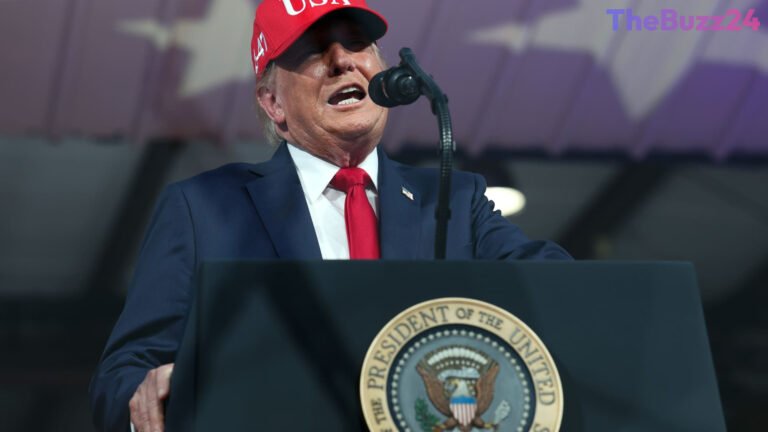
Political rhetoric surrounding the situation remained fluid throughout the day. While initial reports suggested a breakdown in diplomatic channels, subsequent statements from President Donald Trump indicated that negotiations were continuing at a rapid pace. Meanwhile, the military situation remains tense, with U.S. Central Command reporting the successful interception of Iranian ballistic missiles targeting American forces in Kuwait. Amidst these developments, former Federal Reserve Chair Jerome Powell cautioned that political pressure on the central bank to lower interest rates could undermine public confidence in the institution’s independence.
Key Takeaways
- The 10-year Treasury yield rose to 4.473% as geopolitical instability triggered a flight from bonds.
- Oil prices spiked by 4% to 5% following reports of halted diplomatic talks and potential threats to the Strait of Hormuz.
- Conflicting reports regarding the status of U.S.-Iran negotiations have created a volatile environment for investors and policymakers.
Editor’s Analysis & Impact
The current market reaction underscores the high sensitivity of Treasury yields to geopolitical shocks. When tensions flare in energy-producing regions, the immediate spike in oil prices acts as an inflationary catalyst, forcing bond yields higher as investors demand a premium for the increased risk. The situation is further complicated by the intersection of foreign policy and domestic monetary strategy. Jerome Powell’s warning regarding the Federal Reserve’s independence highlights a growing concern among market participants: that political interference could destabilize the long-term economic framework. Moving forward, the market will likely remain in a ‘wait-and-see’ mode, with volatility expected to persist until there is a clear, verifiable resolution to the diplomatic impasse or a stabilization in energy supply chains.
Frequently Asked Questions
Q: Why do Treasury yields rise when geopolitical tensions increase?
A: Treasury yields often rise during times of uncertainty because investors may sell off government bonds if they fear that geopolitical events will lead to higher inflation or if they shift their capital toward assets perceived to offer better protection against energy-driven price hikes.
Q: What is the significance of the Strait of Hormuz in this context?
A: The Strait of Hormuz is one of the world's most important oil transit chokepoints. Threats to close it create significant fear of global supply shortages, which directly drives up the price of crude oil and impacts global economic stability.
AI Disclosure: This article is based on verified data and official reports. Our Team and AI have cross-referenced every financial detail with primary sources to ensure total accuracy.
More from this Category