Trump Administration Signals Imminent Expansion of Global Tariff Regime
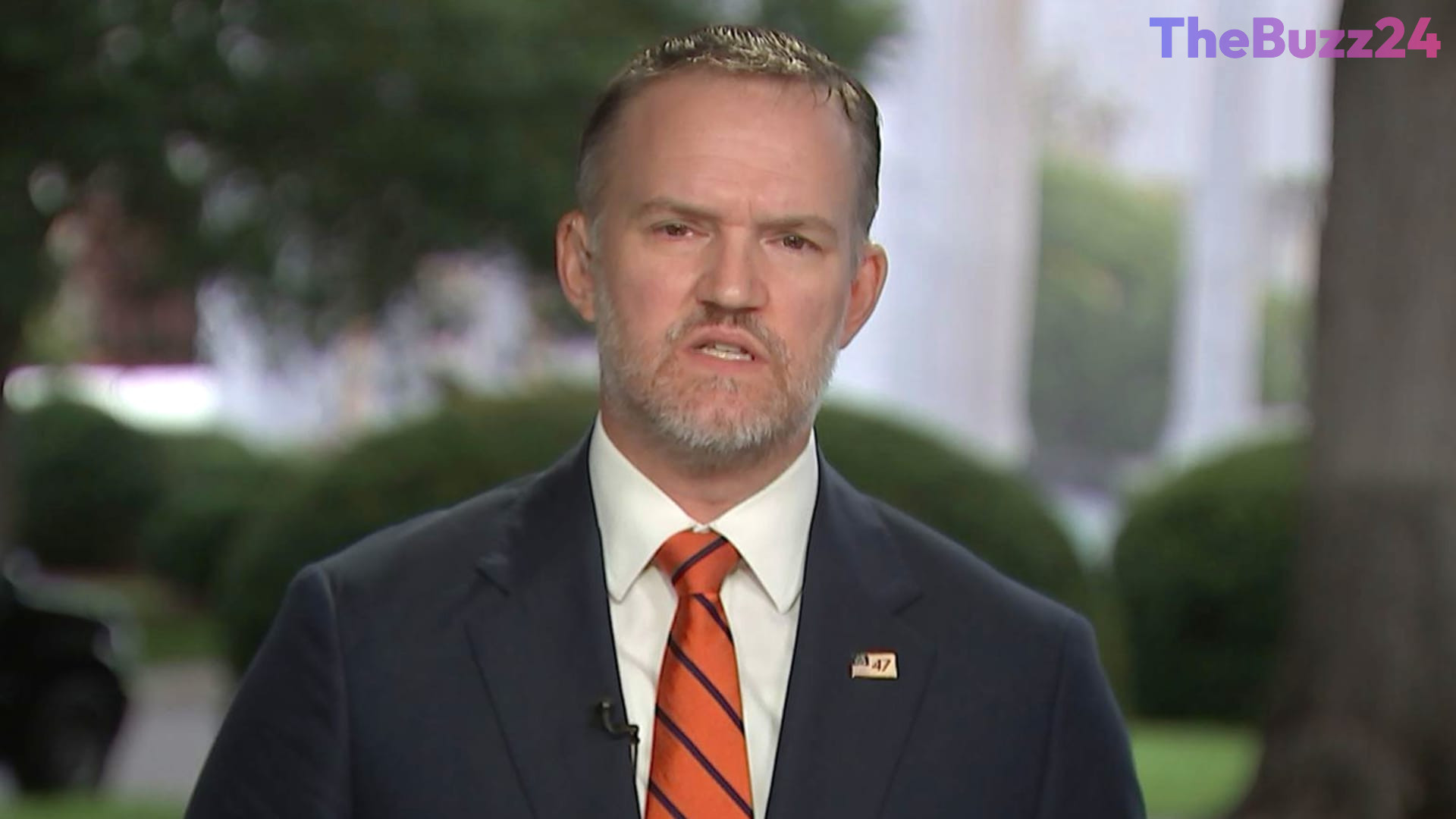
The U.S. trade agenda is poised for a significant shift as the administration prepares a new wave of import levies. U.S. Trade Representative Jamieson Greer confirmed that officials are finalizing plans for additional tariffs, signaling a strategic pivot toward more durable legal frameworks to sustain the president’s protectionist trade policy. This move follows the expiration of temporary import duties and reflects a broader effort to institutionalize a global tariff structure that can withstand judicial scrutiny.
Central to this strategy is the utilization of Section 301 of the Trade Act of 1974. Unlike previous attempts to implement broad tariffs via emergency powers—which were struck down by the Supreme Court earlier this year—the administration is now leveraging investigations into forced labor and manufacturing capacity. By anchoring these new duties in established trade laws, the White House aims to create a more resilient system that is significantly harder for future administrations or legal challengers to dismantle.
The proposed measures are extensive, potentially covering up to 99% of U.S. trade across 60 different economies, including major partners like China, the European Union, and Japan. This development comes on the heels of recent aggressive trade actions, such as the 50% tariffs imposed on Canadian goods and new levies on Brazilian imports. As the administration moves to replace expiring temporary measures with these more permanent Section 301 duties, global trading partners are bracing for a prolonged period of heightened trade friction and economic uncertainty.
Key Takeaways
- The U.S. administration is shifting from emergency-based tariffs to Section 301 trade law to ensure long-term legal durability for its protectionist agenda.
- New tariffs are being prepared that could impact 60 economies and cover approximately 99% of U.S. trade, focusing on forced labor and manufacturing capacity concerns.
- Recent aggressive trade actions, including 50% tariffs on Canadian goods, highlight the administration's commitment to using varied trade authorities to exert economic pressure.
Editor’s Analysis & Impact
The transition from using the International Emergency Economic Powers Act (IEEPA) to Section 301 of the Trade Act of 1974 represents a sophisticated evolution in the administration’s trade strategy. By framing tariffs around human rights (forced labor) and industrial capacity, the White House is effectively ‘tariff-proofing’ its policies against domestic legal challenges. This shift signals to the global market that the current protectionist stance is not a temporary anomaly but a long-term structural change. For businesses, this implies a permanent increase in supply chain costs and a move away from the era of frictionless global trade. The broader implication is a fragmented global economy where trade policy is increasingly used as a primary tool for geopolitical leverage, forcing multinational corporations to rethink their manufacturing footprints and sourcing strategies to mitigate exposure to these persistent, legally entrenched duties.
Frequently Asked Questions
Q: Why are the new tariffs considered more 'durable' than previous ones?
A: The new tariffs are being implemented under Section 301 of the Trade Act of 1974, which provides a stronger legal foundation than the emergency powers previously used. Because these are linked to specific issues like forced labor, they are politically and legally more difficult to challenge or reverse.
Q: Which countries are primarily affected by these trade investigations?
A: The investigations and proposed tariffs involve 60 economies, including major trading partners such as China, the European Union, Japan, South Korea, Mexico, and India.
AI Disclosure: This article is based on verified data and official reports. Our Team and AI have cross-referenced every financial detail with primary sources to ensure total accuracy.
More from this Category