Trump Claims Iran Has Agreed to Forgo Nuclear Weapons Amid Ongoing Regional Tensions
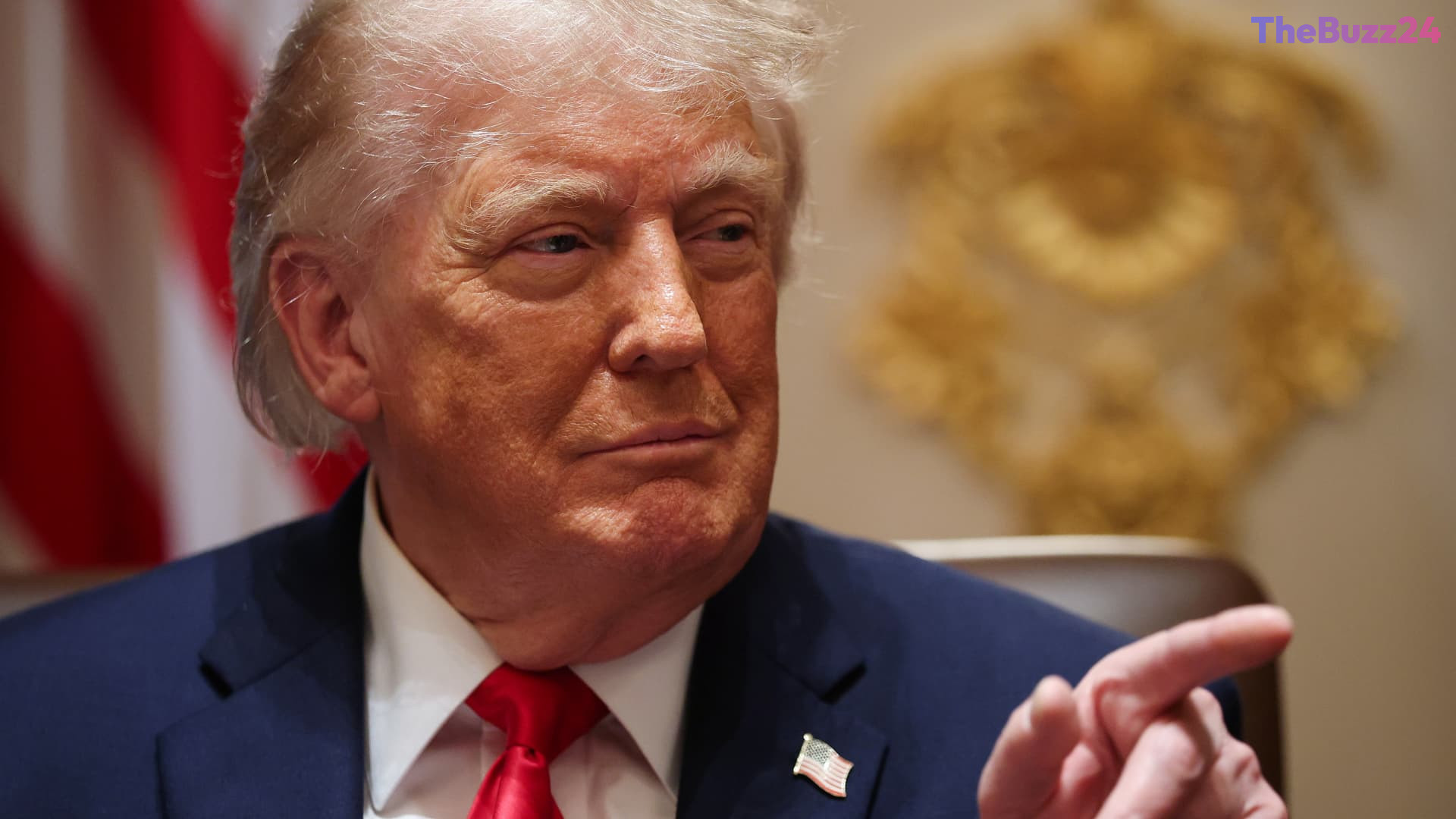
President Donald Trump recently asserted that the Iranian government has committed to not pursuing nuclear weapons, though he acknowledged that the regime could potentially reverse its stance. During a recent interview, the President emphasized that preventing Iran from acquiring nuclear capabilities remains a primary objective for his administration, regardless of the current economic climate. He maintained that this agreement is a significant development in the ongoing diplomatic efforts between the two nations.
However, the assertion has been met with skepticism and pushback from Iranian officials. Representatives from the Iranian government have characterized the President’s comments as misleading, reiterating that Iran is a long-standing member of the Treaty on the Non-Proliferation of Nuclear Weapons (NPT). They maintain that their nuclear program has always been intended for peaceful purposes and that they have never sought to develop nuclear weaponry, suggesting that the framing of the issue implies a false history of pursuit.
Meanwhile, the broader conflict in the region continues to face significant hurdles, with diplomatic talks appearing to stall. While U.S. Secretary of State Marco Rubio has expressed optimism regarding the potential for negotiations on specific aspects of Iran’s nuclear program, conflicting reports regarding the status of communication between Washington and Tehran persist. As the conflict nears its 100th day, the closure of the Strait of Hormuz continues to exert upward pressure on global oil prices, creating uncertainty in international markets.
Key Takeaways
- President Trump claims Iran has agreed to forgo nuclear weapons, a statement the Iranian government has dismissed as misleading.
- Diplomatic efforts remain at an impasse, with conflicting reports regarding the status of negotiations between U.S. and Iranian officials.
- The ongoing conflict has led to the closure of the Strait of Hormuz, contributing to sustained volatility in global oil prices.
Editor’s Analysis & Impact
The diplomatic friction between the U.S. and Iran continues to serve as a primary driver of geopolitical instability, with significant ripple effects on global energy markets. The President’s public claims regarding nuclear agreements appear to be an attempt to project strength and progress, yet the immediate rebuttal from Tehran highlights the deep-seated mistrust that continues to undermine formal negotiations. From a market perspective, the closure of the Strait of Hormuz remains the most critical variable; as long as this vital shipping artery remains compromised, oil prices will likely remain elevated. Investors should anticipate continued volatility as long as the ‘mixed messaging’ between the two nations persists, as any sudden escalation or unexpected breakthrough will likely trigger sharp reactions in both energy and equity markets.
Frequently Asked Questions
Q: Why is the Strait of Hormuz significant to the current conflict?
A: The Strait of Hormuz is a critical maritime chokepoint for global oil shipments. Its closure by Iran has restricted the flow of oil, leading to increased prices and market uncertainty.
Q: What is Iran's official stance on its nuclear program?
A: Iran maintains that its nuclear program is exclusively for peaceful purposes and that it has never sought to develop nuclear weapons, citing its status as a member of the Treaty on the Non-Proliferation of Nuclear Weapons (NPT).
AI Disclosure: This article is based on verified data and official reports. Our Team and AI have cross-referenced every financial detail with primary sources to ensure total accuracy.
More from this Category