President Trump Convenes Strategic Cabinet Summit at Camp David Amid Middle East Tensions
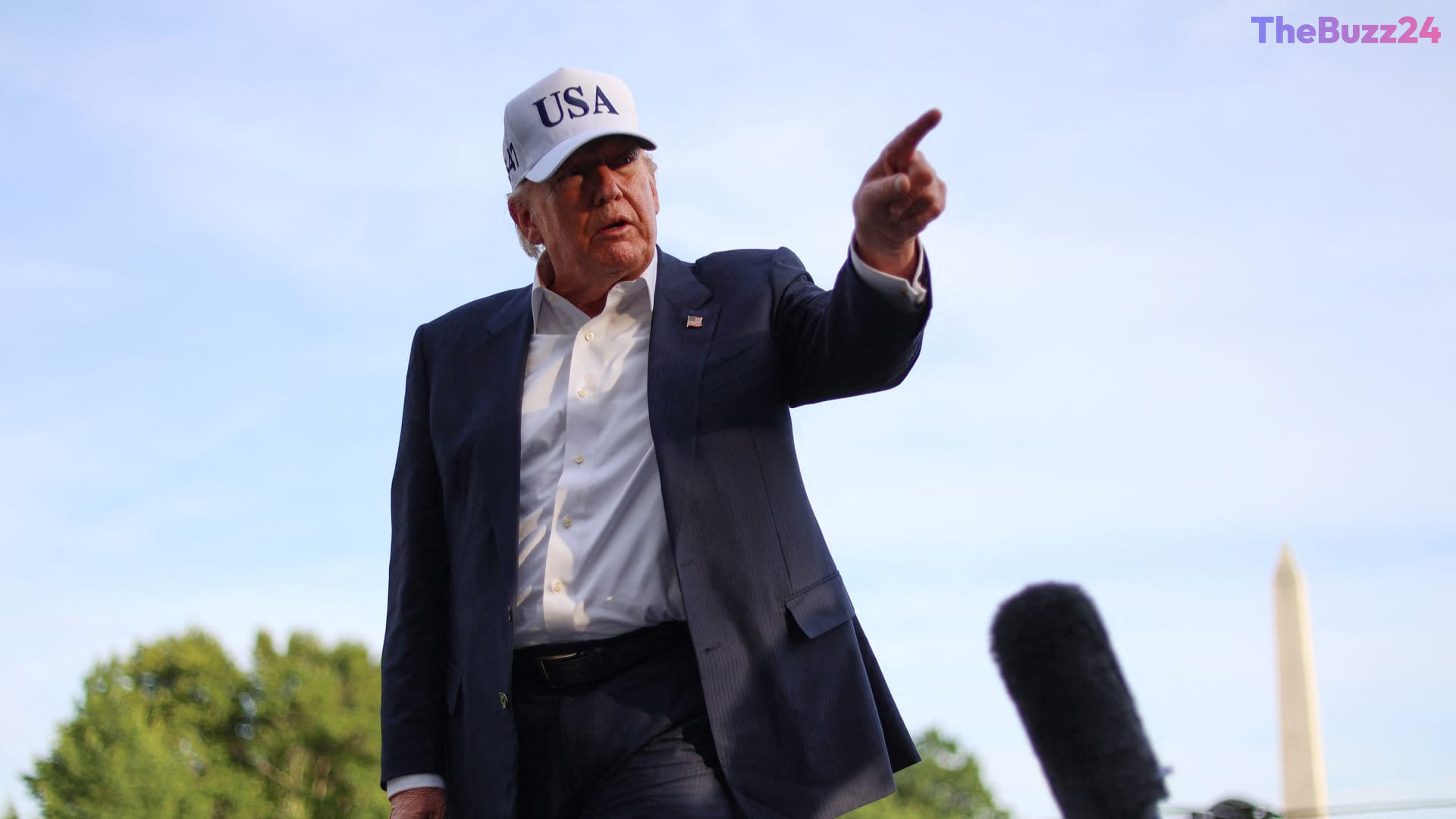
President Donald Trump has convened his full Cabinet for a high-stakes summit at the Camp David presidential retreat. The gathering is designed to address a complex array of geopolitical challenges, with a primary focus on navigating the escalating volatility in the Middle East. The administration is currently working to reconcile recent military developments in southern Iran with the broader objective of securing a sustainable diplomatic breakthrough in the region.
While the summit agenda includes a comprehensive review of domestic economic performance and the ongoing efforts of the Task Force to Eliminate Fraud, the stabilization of the Middle East remains the central priority. President Trump has emphasized a cautious strategy regarding potential negotiations with Iran, warning that the failure to reach a concrete agreement could risk a broader regional conflict. The administration is actively weighing the necessity of maintaining military deterrence against the potential for long-term diplomatic resolution.
Senior leadership, including Secretary of State Marco Rubio, is focusing on the strategic importance of the Strait of Hormuz, which serves as a critical artery for global energy markets. Discussions are also centered on leveraging the existing framework of the Abraham Accords to strengthen regional security architectures. The summit also features the participation of Director of National Intelligence Tulsi Gabbard, marking one of her final major strategic contributions before her scheduled departure from the administration this June.
Key Takeaways
- President Trump is leading a full Cabinet summit at Camp David to align domestic and foreign policy priorities.
- The primary focus is managing tensions with Iran and securing the Strait of Hormuz to protect global energy stability.
- The administration is evaluating the use of the Abraham Accords as a foundation for broader regional security cooperation.
Editor’s Analysis & Impact
The Camp David summit signals a critical pivot in the administration’s foreign policy, moving toward a unified, whole-of-government approach to the Iranian situation. By bringing the entire Cabinet together, the President is emphasizing that the current geopolitical climate requires a synchronized response that balances military readiness with diplomatic outreach. The focus on the Strait of Hormuz highlights the administration’s awareness of the direct link between regional security and global energy market stability. Moving forward, the success of this strategy will hinge on the administration’s ability to expand the Abraham Accords into a more robust regional coalition. If these diplomatic efforts fail to yield results, the market should anticipate increased volatility in energy sectors and a potential shift toward more assertive containment policies.
Frequently Asked Questions
Q: Why is the Cabinet meeting being held at Camp David?
A: Camp David provides a secure and secluded environment, allowing Cabinet members to focus exclusively on high-level national security and policy issues away from the daily distractions of the White House.
Q: Why is the Strait of Hormuz a focal point of the summit?
A: The Strait of Hormuz is a vital maritime chokepoint for global oil transit. Any instability in this area directly threatens international trade and can lead to significant spikes in global energy prices.
AI Disclosure: This article is based on verified data and official reports. Our Team and AI have cross-referenced every financial detail with primary sources to ensure total accuracy.
More from this Category