Trump Hails US-Iran Agreement, Yet Critical Details and Regional Risks Persist
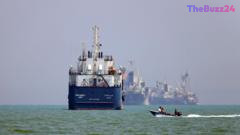
A significant diplomatic breakthrough has been announced, signaling a potential end to hostilities between the United States and Iran. The agreement, heralded by former President Donald Trump, includes the reopening of the vital Strait of Hormuz for commercial shipping and the lifting of a US naval blockade. Trump expressed optimism about the deal, suggesting it would usher in an era of peace and security for the entire region and ensure the free flow of oil.
Despite the initial announcement, substantial uncertainties persist regarding the specifics of the agreement. While US Vice-President JD Vance affirmed that the deal prevents Iran from possessing nuclear weapons and allows for compliance verification, critical details remain unaddressed. Questions linger about the precise restrictions on uranium enrichment and the fate of Iran’s current stockpile of highly enriched uranium. These complex issues are expected to be tackled in subsequent “technical” talks and negotiations during a 60-day extension of the existing ceasefire. However, Iran’s Supreme National Security Council has indicated that final negotiations will be postponed until the US fulfills its initial commitments under the memorandum, adding another layer of complexity.
The economic implications of the deal are also under scrutiny. Energy market experts caution that a full return of oil flow through the Strait of Hormuz to pre-conflict levels may not be immediate, citing the need to clear tanker backlogs, remove potential hazards, and restore regular shipping operations, which could take weeks. Furthermore, the stability of the agreement faces an external challenge from Israel. Reports indicated that former President Trump was displeased with Israeli Prime Minister Benjamin Netanyahu’s recent military actions in Lebanon, fearing they could jeopardize the nearly finalized Iran deal. While the agreement held long enough for its public announcement, any new military operations in the region could prompt Iran to reconsider its commitments, potentially disrupting global energy markets once more.
Domestically, the deal holds potential for alleviating economic pressures in the United States. Vice-President Vance acknowledged the burden of high energy prices on American consumers and expressed hope that the agreement would lead to a reduction in fuel costs. A tangible drop in petrol prices could offer much-needed relief to households facing financial hardships and potentially ease political pressure on the Republican party ahead of upcoming elections. While the deal represents a notable step towards de-escalation, the path to lasting peace and economic stability remains contingent on the successful resolution of outstanding issues and the navigation of regional geopolitical complexities.
Key Takeaways
- A deal between the US and Iran has been announced, aiming to end hostilities, reopen the Strait of Hormuz, and lift a US naval blockade.
- Significant uncertainties remain regarding the specifics of Iran's nuclear program restrictions and the timeline for final negotiations, with Iran linking progress to US commitments.
- The agreement offers potential economic relief through lower energy prices in the US, but its stability is threatened by regional actions, particularly from Israel.
Editor’s Analysis & Impact
This US-Iran agreement, while a significant diplomatic step, introduces a period of cautious optimism rather than definitive resolution. Its immediate impact on global energy markets is likely to be positive, potentially leading to a gradual stabilization of oil prices as the Strait of Hormuz reopens. However, the market’s sustained confidence will hinge on the transparency and successful negotiation of the deal’s intricate details, especially concerning Iran’s nuclear capabilities. The future outlook remains fragile, heavily influenced by the willingness of all parties to adhere to commitments and the unpredictable dynamics of regional actors like Israel. Broader implications include a potential de-escalation of tensions in the Middle East, but also the risk of renewed instability if the agreement falters, underscoring the delicate balance of power and the complex interplay of economic and geopolitical factors.
Frequently Asked Questions
Q: What are the immediate effects of the US-Iran deal?
A: The deal is expected to reopen the Strait of Hormuz for commercial shipping and lift a US naval blockade, aiming to restore the free flow of oil and potentially reduce global energy prices.
Q: What are the main challenges or uncertainties surrounding the agreement?
A: Key uncertainties include the specific restrictions on Iran's nuclear enrichment program, the fate of its highly enriched uranium stockpile, and Iran's stated intention to postpone final negotiations until the US fulfills its initial commitments. Regional actions, particularly from Israel, also pose a risk to the deal's stability.
Q: How might this deal impact the US economy?
A: The agreement has the potential to alleviate economic pressures in the US by contributing to lower energy prices, particularly petrol costs. This could offer financial relief to American consumers and potentially ease political pressures related to the economy.
AI Disclosure: This article is based on verified data and official reports. Our Team and AI have cross-referenced every financial detail with primary sources to ensure total accuracy.
More from this Category