Trump Issues Blunt Threat Against Key Ally Oman Over Iran Diplomatic Efforts
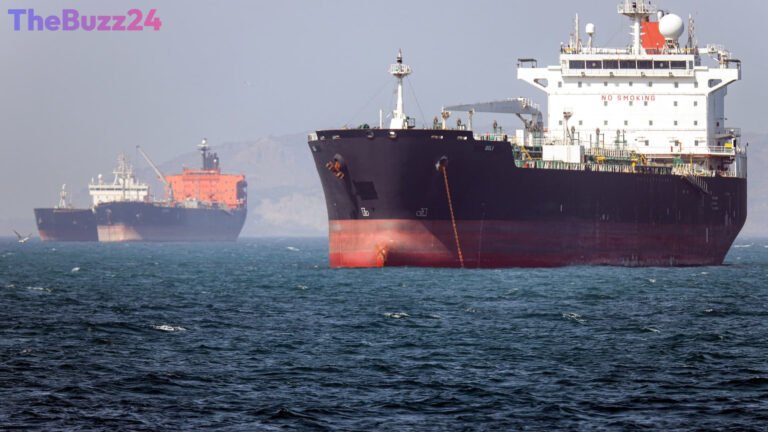
President Donald Trump has reportedly issued a severe warning directed at Oman, threatening military action against the close American ally if it interferes with the administration’s strategic objectives regarding Iran. The friction centers primarily on negotiations surrounding the critical Strait of Hormuz, a vital maritime corridor that has experienced significant closures amid ongoing geopolitical tensions in the region.
Oman has traditionally maintained a neutral diplomatic stance and has been actively engaged in separate dialogue with Tehran to help broker a reopening of the crucial waterway. However, the diplomatic landscape grew increasingly complicated as an expiring Memorandum of Understanding between Washington and Tehran neared its deadline, with the White House signaling reluctance to pursue an extension.
In addition to the escalating rhetoric concerning regional allies, the administration revealed the existence of an alleged direct backchannel of communication with Iran’s Islamic Revolutionary Guard Corps. While the United States maintains that direct diplomatic channels remain active, representatives from the Iranian military branch have forcefully denied these assertions, characterizing the claims as baseless amid ongoing hostilities and complex regional negotiations.
Key Takeaways
- President Trump allegedly threatened military action against Oman should the ally impede U.S. strategy regarding Iran.
- Oman has been acting as an independent mediator to negotiate the reopening of the vital Strait of Hormuz.
- The administration claimed a direct backchannel exists with the Islamic Revolutionary Guard Corps, a claim promptly denied by Iranian officials.
Editor’s Analysis & Impact
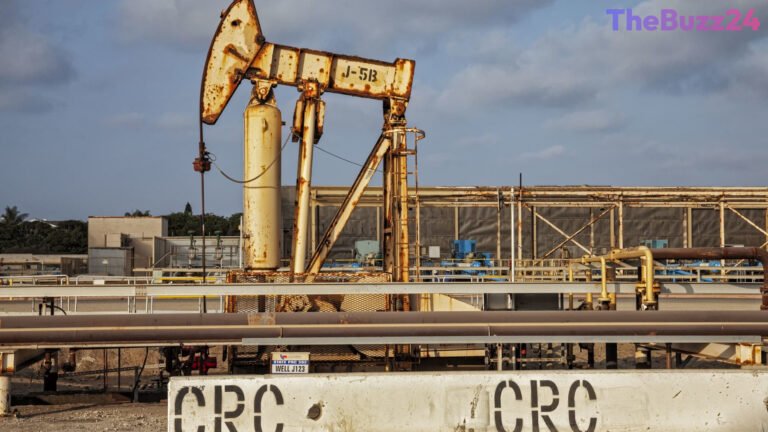
The latest diplomatic tensions surrounding Oman and the Strait of Hormuz highlight the volatile nature of current Middle Eastern geopolitics and international trade routes. The Strait remains a critical chokepoint for global energy supplies, meaning any prolonged disruption directly threatens worldwide petroleum and liquefied natural gas markets. By applying aggressive diplomatic pressure on both adversaries and traditional allies alike, the current administration is utilizing a high-stakes strategy to force compliance on maritime security and nuclear non-proliferation. However, alienating a key regional mediator like Oman risks fracturing vital diplomatic lifelines and could ultimately destabilize broader coalition efforts in the region, creating long-term ramifications for energy stability and international alliances.
Frequently Asked Questions
Q: Why is the Strait of Hormuz important?
A: The Strait of Hormuz is a crucial global trade corridor through which a significant portion of the world's oil and liquefied natural gas passes, making its operational status vital to the global economy.
Q: What role has Oman played in the conflict?
A: Oman has positioned itself as a neutral party in the conflict and has engaged in independent negotiations with Tehran to help secure a reopening of the vital shipping lanes.
Q: Have Iranian officials confirmed any direct talks with the U.S.?
A: No, a spokesperson for the Islamic Revolutionary Guard Corps strongly denied claims of any direct backchannel communications with American officials.
AI Disclosure: This article is based on verified data and official reports. Our Team and AI have cross-referenced every financial detail with primary sources to ensure total accuracy.
More from this Category